
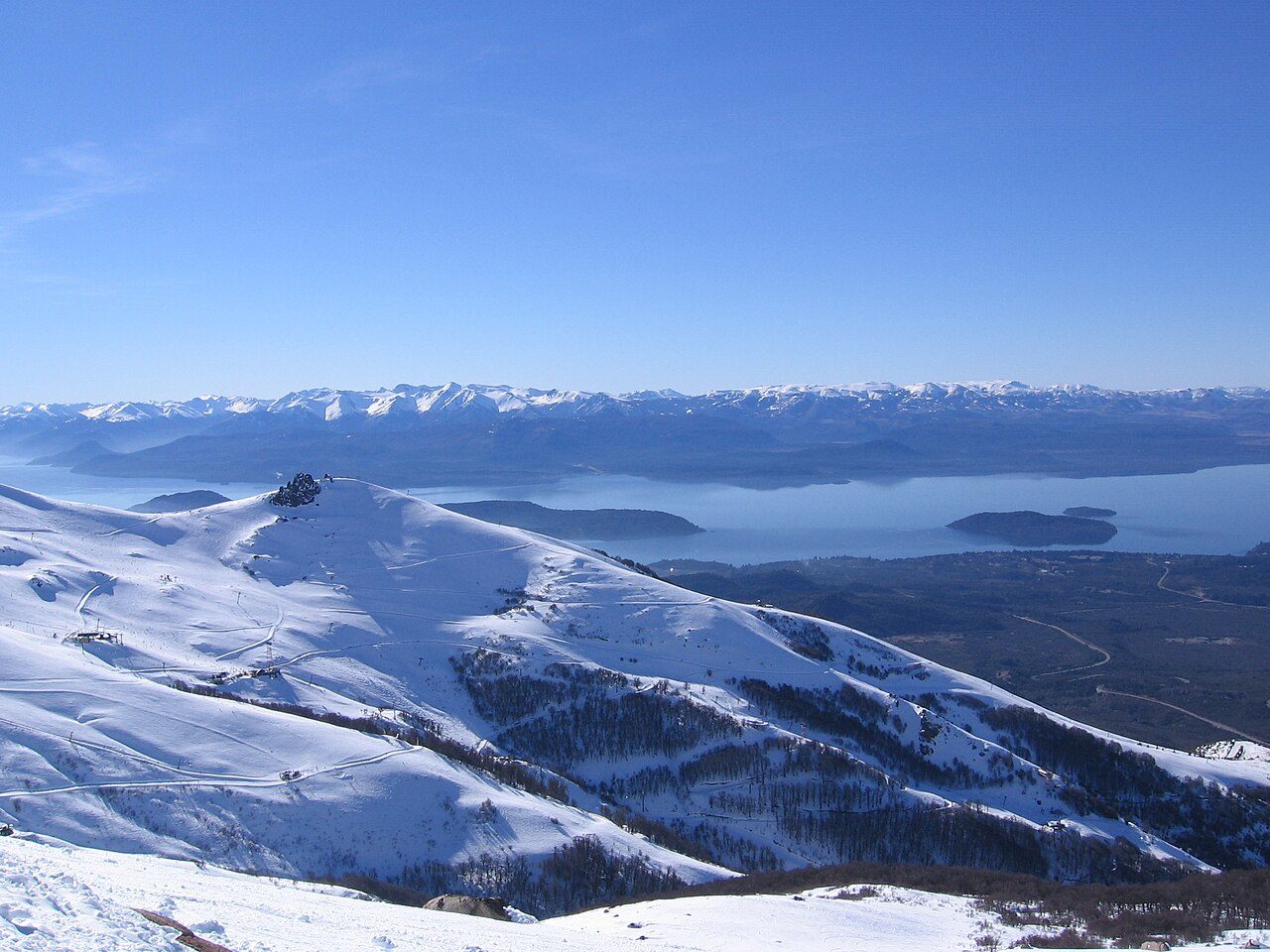
Cerro Catedral
Looming 2,180 meters above the glacial waters of Lake Nahuel Huapi, Cerro Catedral draws its moniker from the weathered, rose-tinted granite spires that puncture the Andean sky like medieval Gothic buttresses. In 1936, visionary mountaineer Otto Meiling and the Club Andino Bariloche began charting these untamed ridges, catalyzing a transformation that culminated in the 1950 debut of the iconic Cable Carril lift. At the mountain’s base, Villa Catedral reflects a classic alpine architectural vernacular, flanked by steep timber-and-slate gables and volcanic-stone chalets that give way to over 120 kilometers of skiable terrain across the sprawling massif. Ascending toward the windswept upper ridges, travelers are greeted by the sharp bite of sub-Antarctic gales and the crisp crunch of packed snow or loose basalt scree underfoot. Standing beside the stone refuge at Punta Princesa, the horizon unveils a sweeping panorama: the deep cobalt expanse of Nahuel Huapi folding into dark lenga beech forests, with the snow-choked volcanic crown of Monte Tronador dominating the western horizon along the Chilean border. During the southern summer, the roar of winter sports yields to pristine silence, leading alpine trekkers along ridgeline trails toward Laguna Schmoll and Refugio Frey, a historic stone shelter sequestered beneath sheer rock needles that challenge elite rock climbers.
More in Bariloche
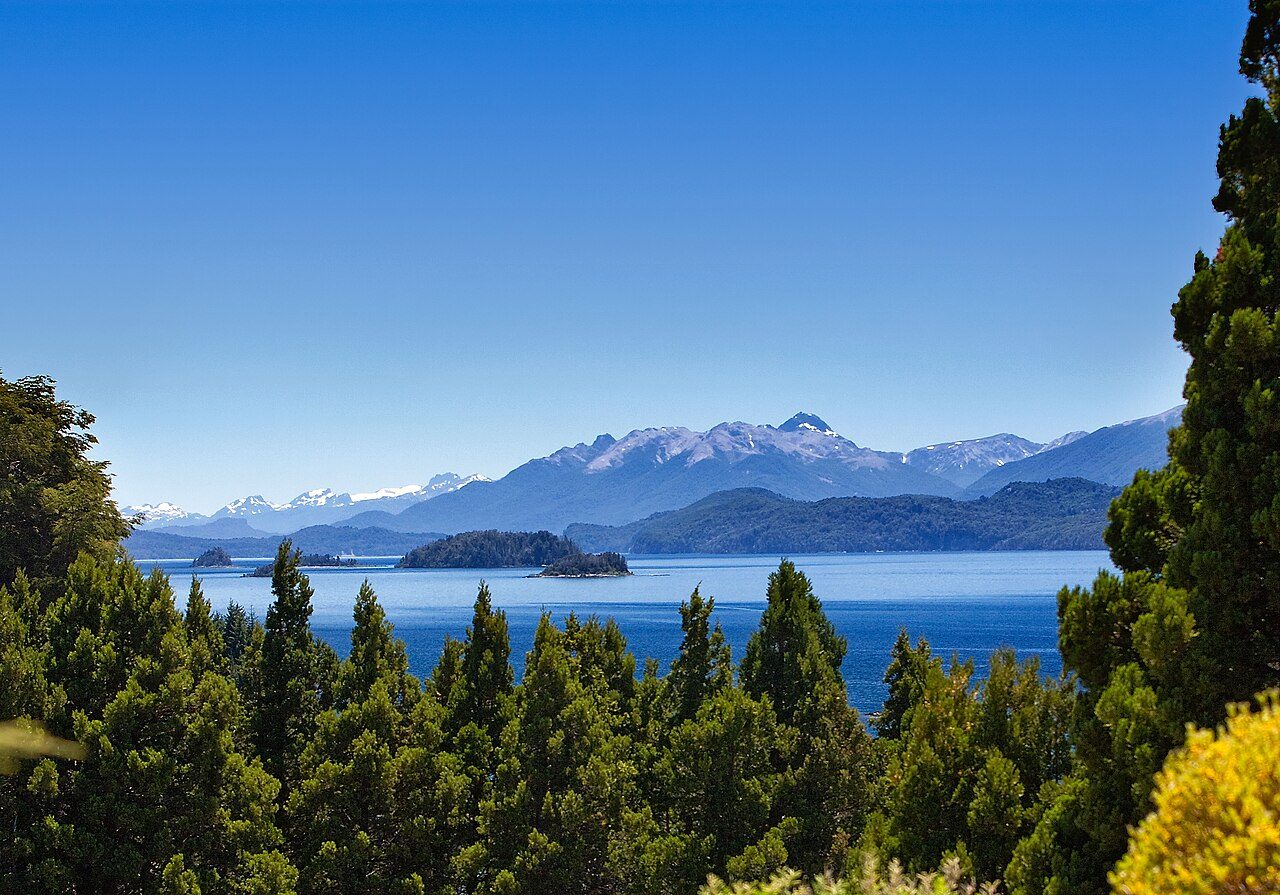

Photo credits (2)
- No machine-readable author provided. Matiasmehdi assumed (based on copyright claims)., Public domain, via Wikimedia Commons
- David, CC BY 2.0, via Wikimedia Commons