
Bariloche
San Carlos de Bariloche perches on the southern shore of glacial Lake Nahuel Huapi, backed by the granite spires of the northern Patagonian Andes. Walking down the sloping streets, the scent of woodsmoke mingles with roasted cacao drifting from local chocolateries. Alpine chalets built from cypress timber and green volcanic stone give the center a rugged character, while westerly winds off the lake keep the mountain air sharp and invigorating. Formally founded in 1902 by merchant Carlos Wiederhold, the settlement was reshaped in the 1930s under architect Ezequiel Bustillo. He designed the Centro Cívico, a plaza dominated by a timbered clock tower that overlooks the lake. To the east stands the stone Cathedral of Our Lady of Nahuel Huapi, known for stained glass depicting indigenous Patagonian history. Westward lies the Circuito Chico, taking travelers past the historic 1938 Llao Llao Hotel and the old wooden homesteads of Colonia Suiza. Life here centers on hearty food, from wild boar and smoked trout to Sunday curanto, an indigenous pit-cooking tradition of meat and vegetables buried beneath hot stones. Winter celebrations culminate in the Fiesta Nacional de la Nieve, though March and April provide mild weather and golden autumn foliage. For transit, load a local SUBE card to ride the number 20 bus, which links downtown directly to the western hiking trails and lakeshores.
Read more
What to see in Bariloche
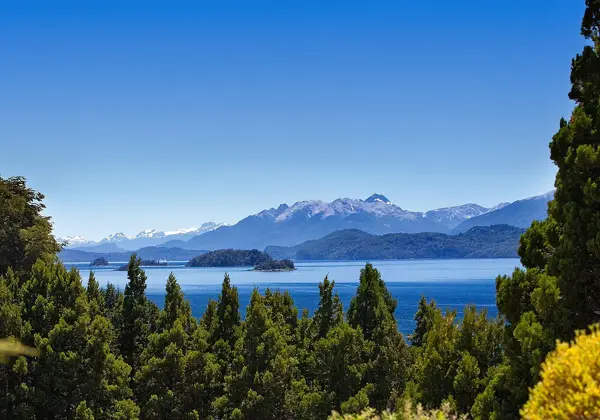
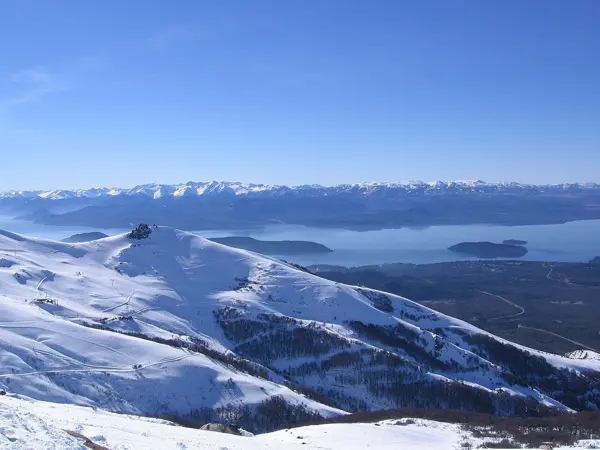
Photo credits (3)
- Daniel P. Gauer from Porto Alegre, Brasil, CC BY 2.0, via Wikimedia Commons
- David, CC BY 2.0, via Wikimedia Commons
- No machine-readable author provided. Matiasmehdi assumed (based on copyright claims)., Public domain, via Wikimedia Commons