
Copacabana Beach
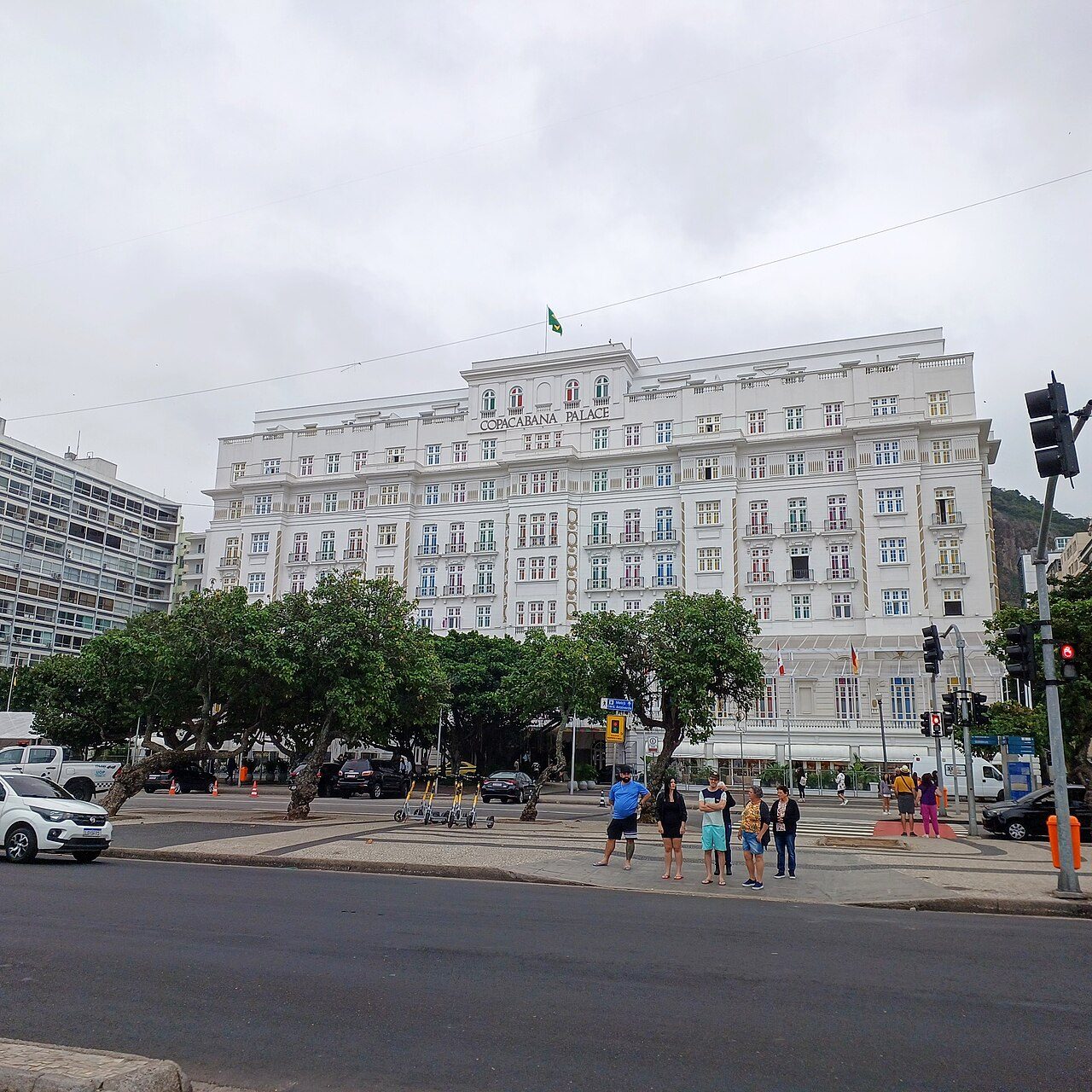
Curving for four kilometers along Rio de Janeiro’s southern rim, Copacabana owes its iconic landscape to a dramatic convergence of twentieth-century design and military history. Anchoring the beachfront stands the snow-white, Mediterranean-influenced facade of the Belmond Copacabana Palace, a Beaux-Arts and Art Deco masterpiece designed by French architect Joseph Gire and unveiled in 1923. Directly below, Roberto Burle Marx’s 1970 modernized promenade stretches in a hypnotic, undulating wave mosaic crafted from black basalt and white calcite stones. Beyond its glamorous resort architecture, this shoreline served as the crucible of the 1922 *Revolta dos 18 do Forte*, where rebel lieutenants marched against heavy artillery fire from Forte de Copacabana, forever cementing the sands in Brazil’s modern political identity. Standing near the concrete lifeguard towers, or *postos*, travelers are immediately enveloped by an energetic sensory tapestry. The heavy ocean breeze carries the scent of sea salt, suntan oil, and grilled *queijo coalho* drifting from beachfront *quiosques*. The air clatters with the rapid percussion of wooden *frescobol* paddles and the shouting of acrobatic *futevôlei* players keeping a volleyball aloft without hands. To the east, the hulking granite dome of Sugarloaf Mountain looms through the Atlantic haze, framing an endless sweep of crashing breakers, vendors balancing skewers beneath neon parasols, and condensation dripping down glasses of muddled lime and cachaça.
More in Rio de Janeiro
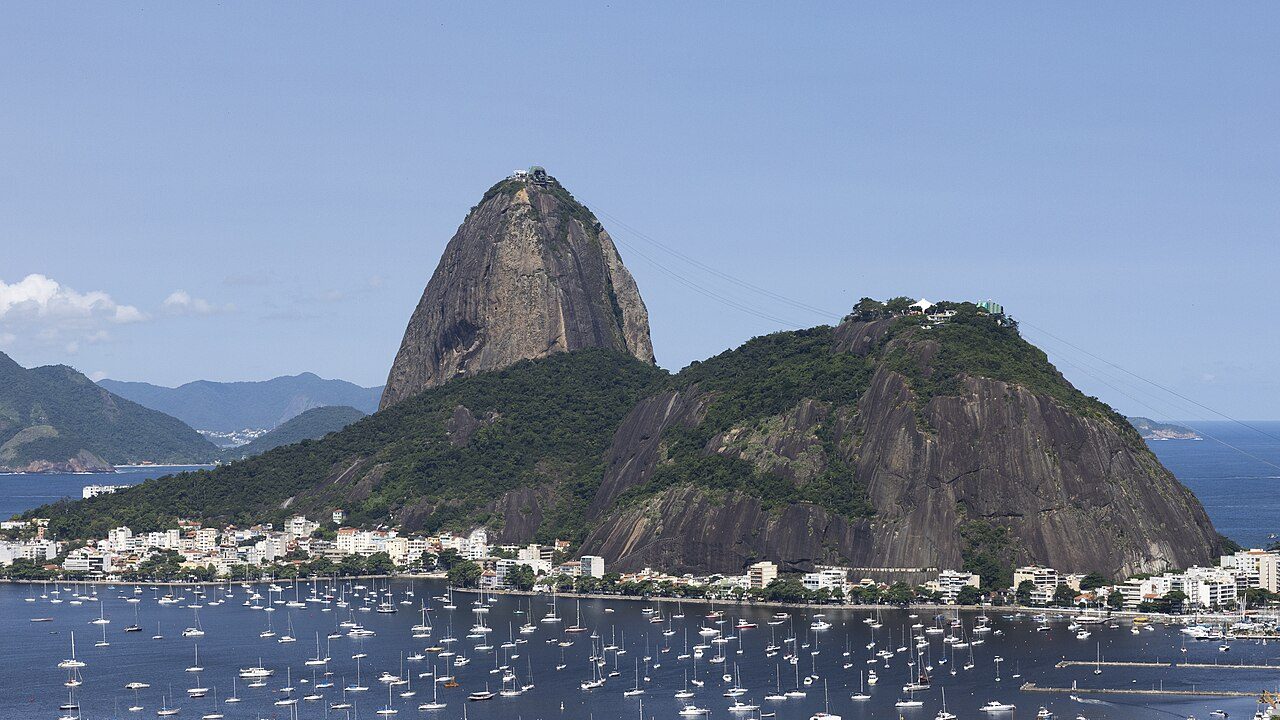


Photo credits (5)
- Joalpe, CC BY-SA 4.0, via Wikimedia Commons
- Arne Müseler, CC BY-SA 3.0 de, via Wikimedia Commons
- Eduardo P, CC BY-SA 3.0, via Wikimedia Commons
- Arne Müseler, CC BY-SA 3.0 de, via Wikimedia Commons
- Marcos Cunha, CC BY-SA 3.0, via Wikimedia Commons