

Aydarkul Lake
Born of a dramatic Soviet engineering anomaly in the spring of 1969, Aydarkul owes its existence to catastrophic seasonal flooding along the Syr Darya. When the newly constructed Chardara Dam threatened to breach upstream, hydraulic engineers diverted colossal torrents of meltwater into the parched Arnasay lowland. What had long been an arid saline depression transformed within months into an unexpected inland sea cutting through the red heart of the Kyzylkum Desert. Expanded by subsequent diversions through the late twentieth century, this unintended reservoir paradoxically swelled to nearly 4,000 square kilometers, flourishing as a watery sanctuary even as the neighboring Aral Sea withered. Approaching the shoreline north of the Nurata mountains, the rolling desert terrain abruptly collapses into rust-colored clay bluffs fringed with pale ribbons of crystalline salt and towering reed beds. The desert air shifts instantly, blending the bitter scent of sunbaked wormwood with the cool, brackish tang of water churned by persistent steppe winds. Visitors encounter a stark, contemplative wilderness where flocks of migratory Dalmatian pelicans and great cormorants skim across mirror-smooth aquamarine shallows. With the distant Kyzylkum dunes dissolving into afternoon heat haze and Bactrian camels wandering the rim, the experience offers a surreal encounter with profound silence, punctuated only by waves lapping against the edges of an accidental desert sea.
More in Nurata
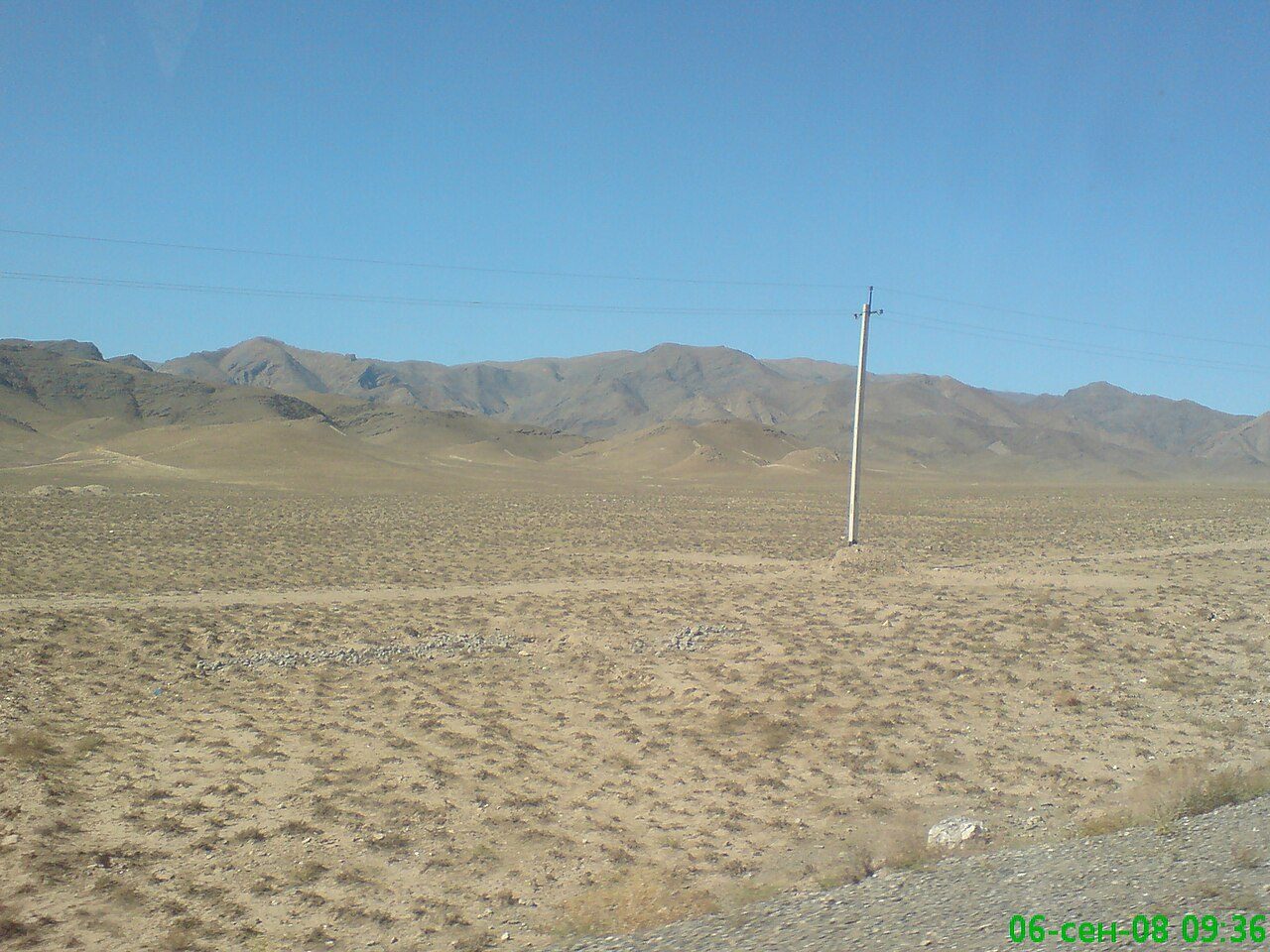
Photo credits (2)
- Carpodacus, CC BY-SA 3.0, via Wikimedia Commons
- Alpasli, CC BY-SA 4.0, via Wikimedia Commons