
Mtirala National Park
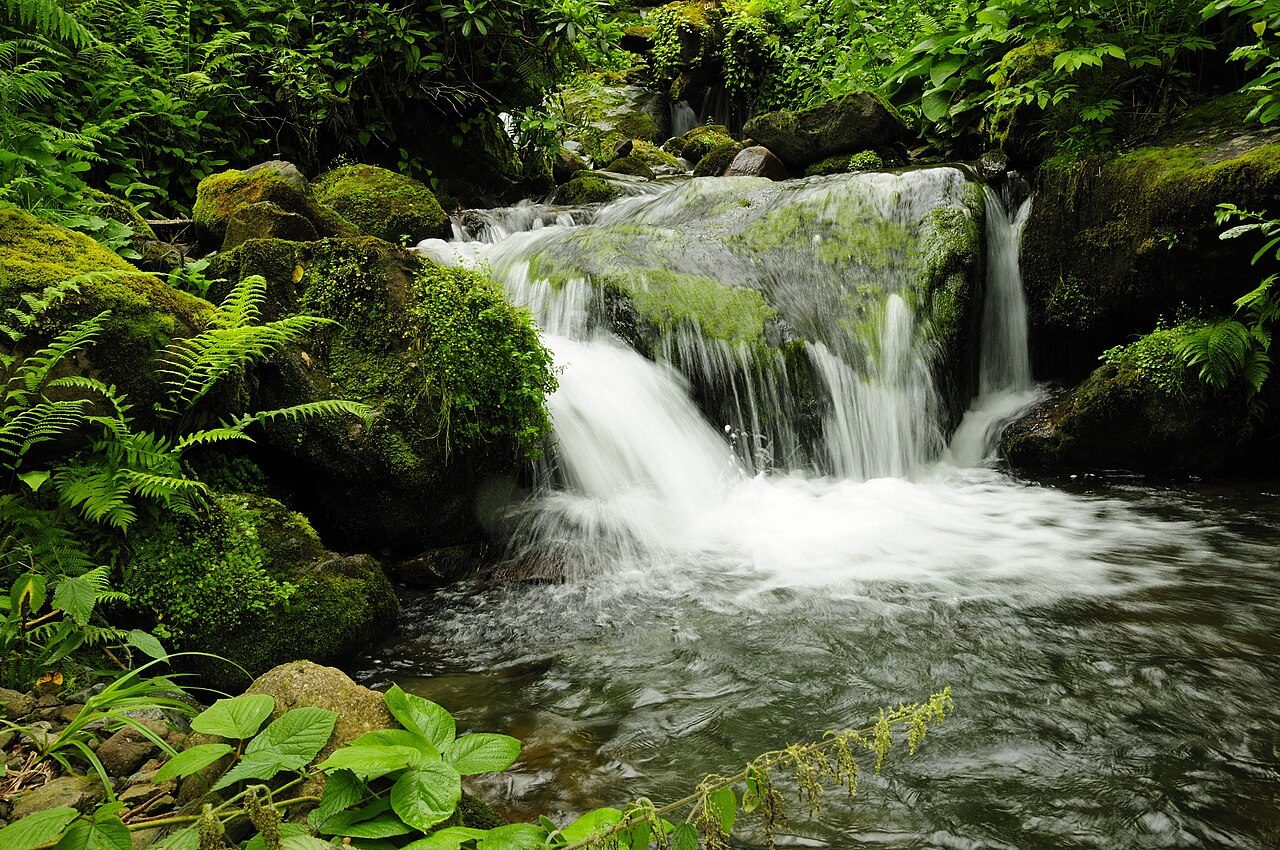
Rising into the dense vapors above the Black Sea, Mtirala—fittingly translated from Georgian as "the Weeping Mountain"—shelters one of Eurasia’s oldest tertiary relict ecosystems. Spared from Pleistocene glaciation, these primeval Colchic rainforests served as an evolutionary refuge for millions of years before receiving official park designation in 2007 and UNESCO World Heritage status in 2021. The steep, ravine-cut terrain features towering Oriental beeches, moss-draped Turkish boxwoods, and impenetrable thickets of purple-flowered Pontic rhododendrons. The dramatic focal point of the lower trails is the Tsablnari waterfall, where a fifteen-meter torrent crashes over jagged, basalt-streaked shale into a crystalline, jade-colored plunge pool. Reaching the trailhead plunges travelers into an adventure dictated by water: visitors cross the rushing Chakvistskali River aboard a vintage, hand-cranked yellow cable car suspended by weathered steel cables over the frothing rapids. Along the mist-choked trails, the sheer humidity—Mtirala endures up to 4,500 millimeters of precipitation annually, making it the wettest territory in the Caucasus—settles heavy on the skin. The air smells acutely of wet slate, decaying leaf mold, and crushed wild mint. Negotiating slick, root-laced mud paths and creaking wooden suspension bridges, you encounter an intoxicating sensory stillness broken only by cascading streams, where every stone and branch is smothered in thick, velvet-green moss that looks preserved from deep prehistoric time.
More in Batumi

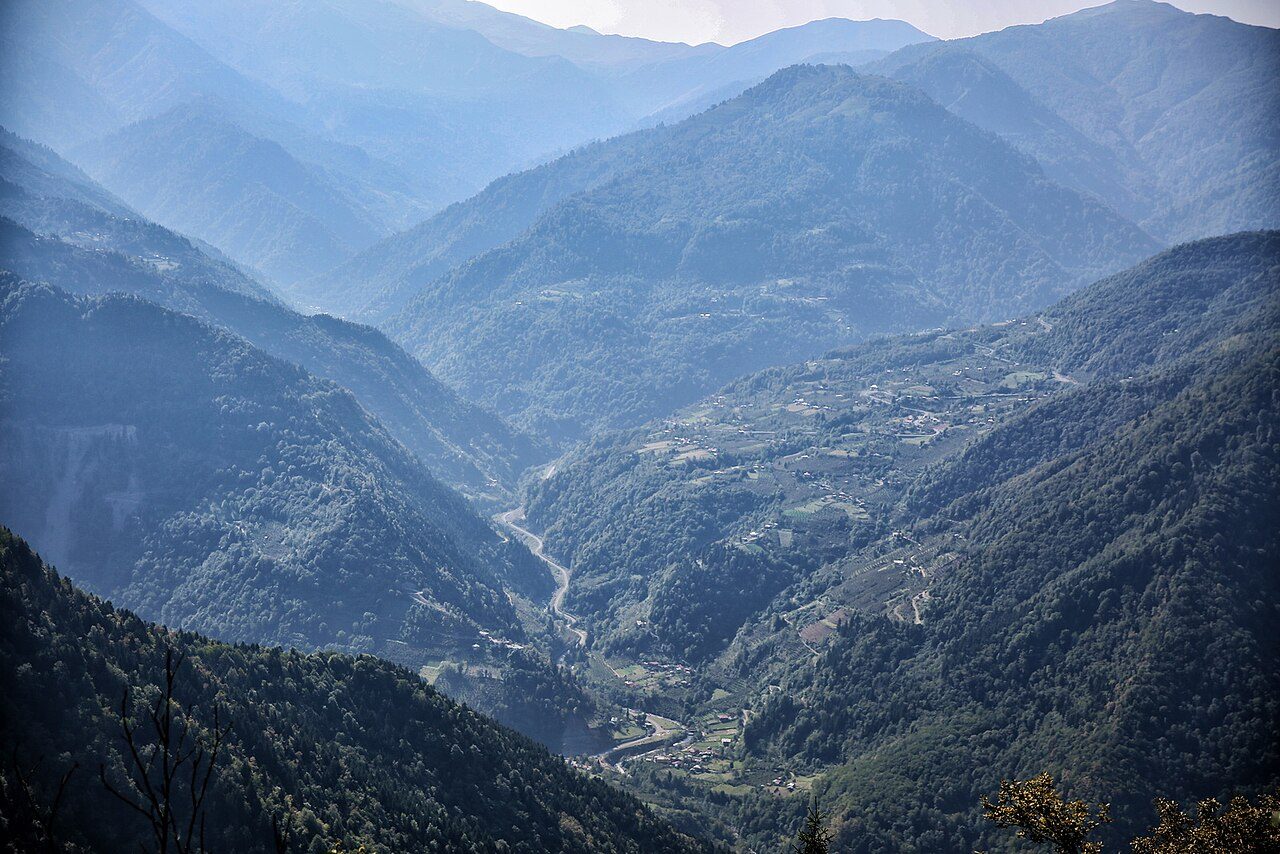
Photo credits (3)
- Philipp Weigell, CC BY 3.0, via Wikimedia Commons
- კოლხი, CC BY-SA 4.0, via Wikimedia Commons
- Paata vardanashvili, CC BY-SA 4.0, via Wikimedia Commons