
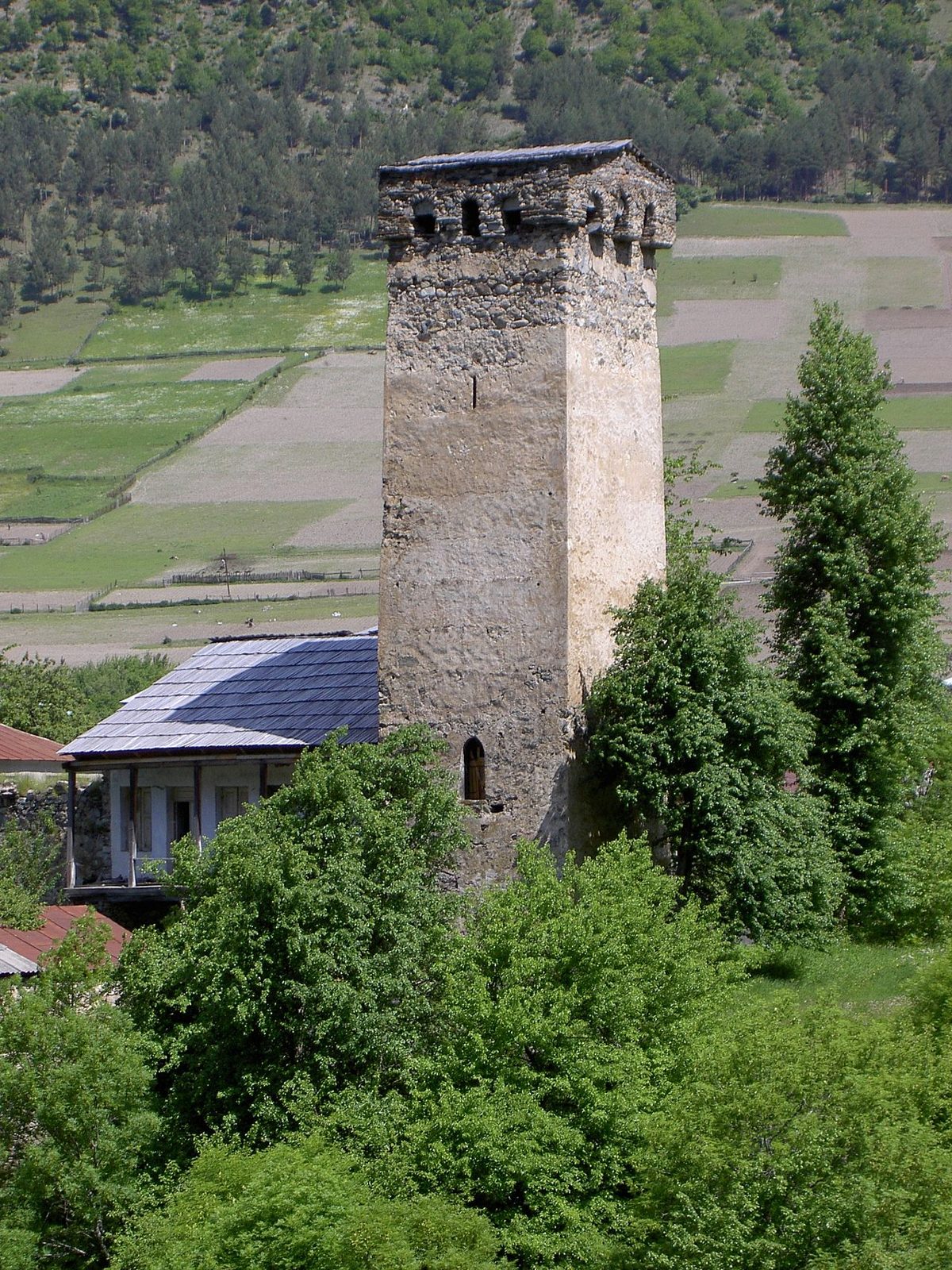
Svan Towers of Mestia
Jutting defiantly against the jagged backdrop of the Greater Caucasus, the defensive stone towers (*koshki*) of Mestia stand as monolithic sentinels forged during Georgia’s medieval golden age between the 9th and 13th centuries. These multi-tiered keeps were engineered not only to guard against encroaching empires, but to shield individual clans during harsh winters, devastating avalanches, and relentless Svan blood feuds. Constructed from roughly hewn schist, river stone, and lime mortar, each tower rises four to five tapering stories, terminating in a crown of arched machicolations beneath a gabled roof. Their architectural resilience is striking; slightly narrower at the crown than the base, the structures were ingeniously calibrated to flex and absorb seismic shocks, preserving an uninterrupted alpine skyline that has survived nearly a millennium. Gaining access requires ascending through elevated entryways once reachable only by removable wooden ladders. Inside, the dim, chilled air smells faintly of damp masonry, resinous pine, and centuries of woodsmoke. Travelers haul themselves up notched tree-trunk stairs and squeeze through narrow wooden trapdoors, transitioning from the windowless livestock base to the domestic quarters (*machubi*). Reaching the upper defensive level, you step onto raw timber planks beneath open embrasures. Standing in the cool mountain draft, peering through arrow slits, you are met with an unobstructed panorama of the Enguri river basin and the sheer, twin-peaked ice wall of Mount Ushba looming above the rooftops.
More in Mestia

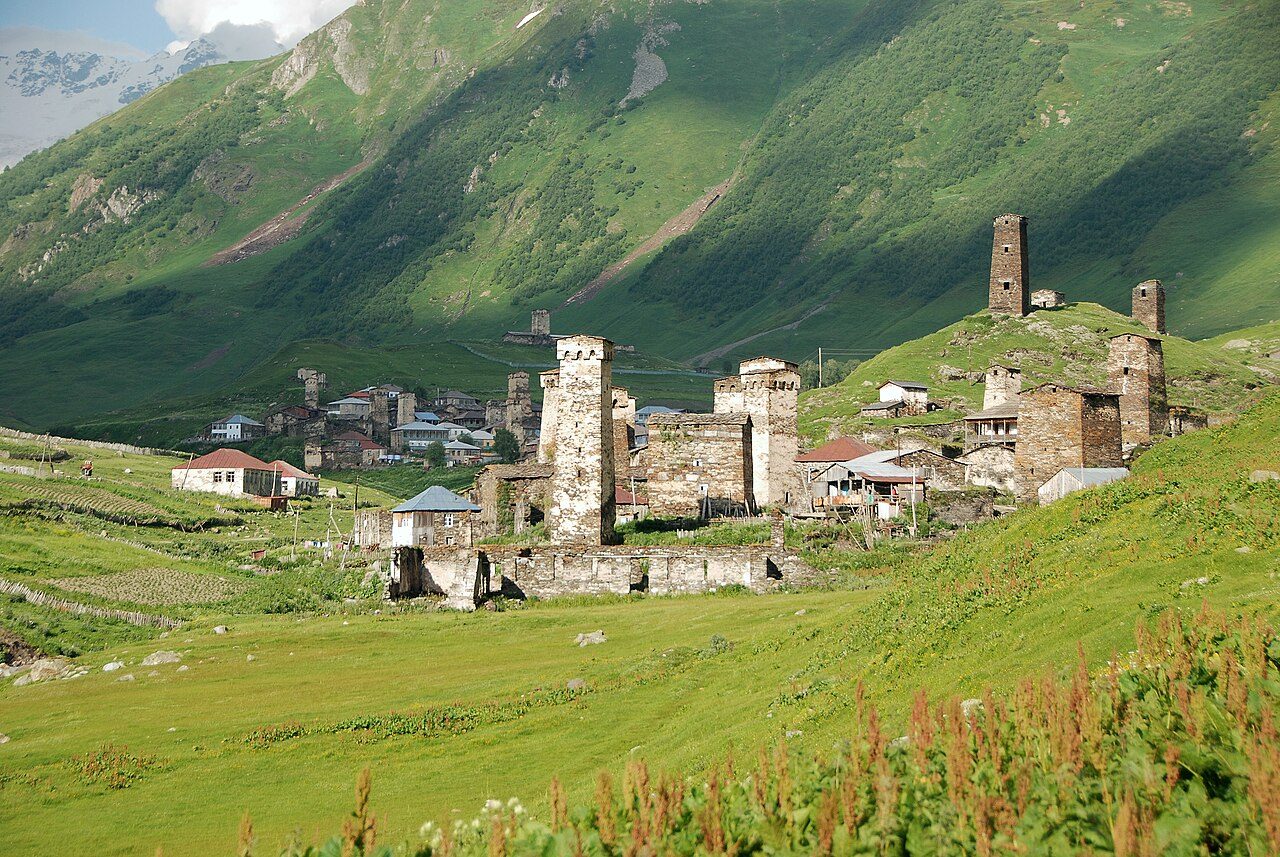
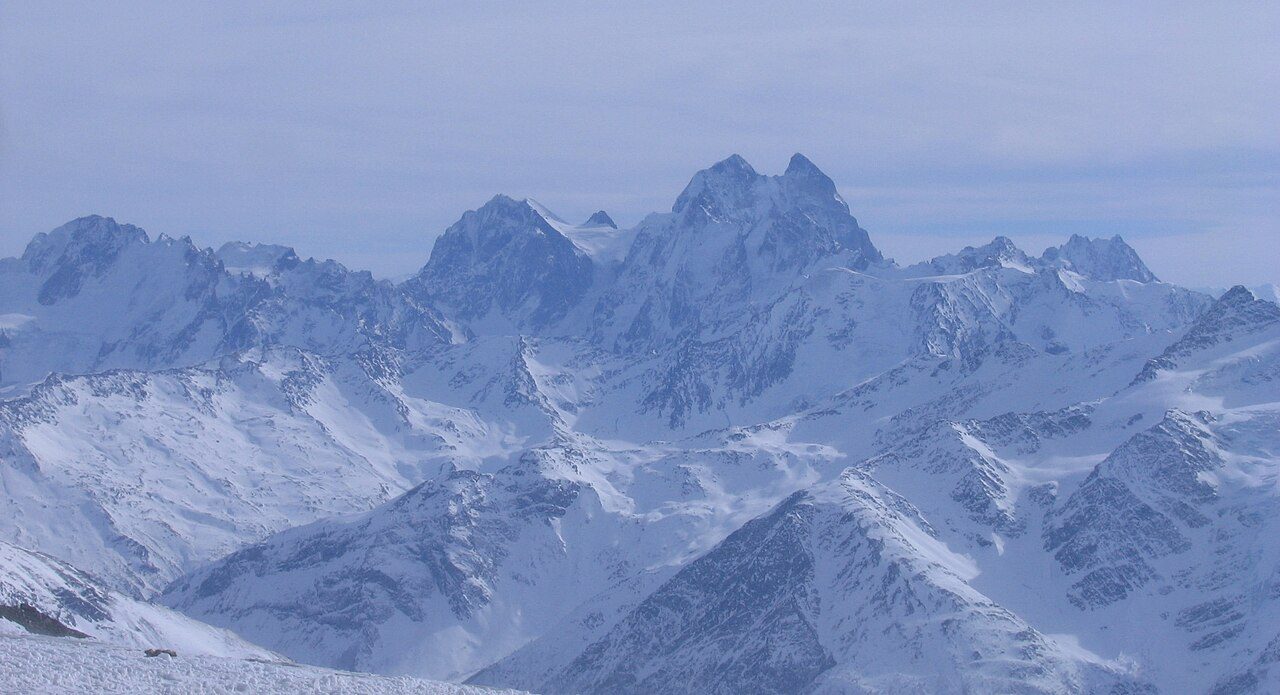
Photo credits (3)
- Unknown author, CC BY-SA 3.0, via Wikimedia Commons
- Florian Pinel, CC BY-SA 3.0, via Wikimedia Commons
- User:Stardancer, CC BY-SA 3.0, via Wikimedia Commons