
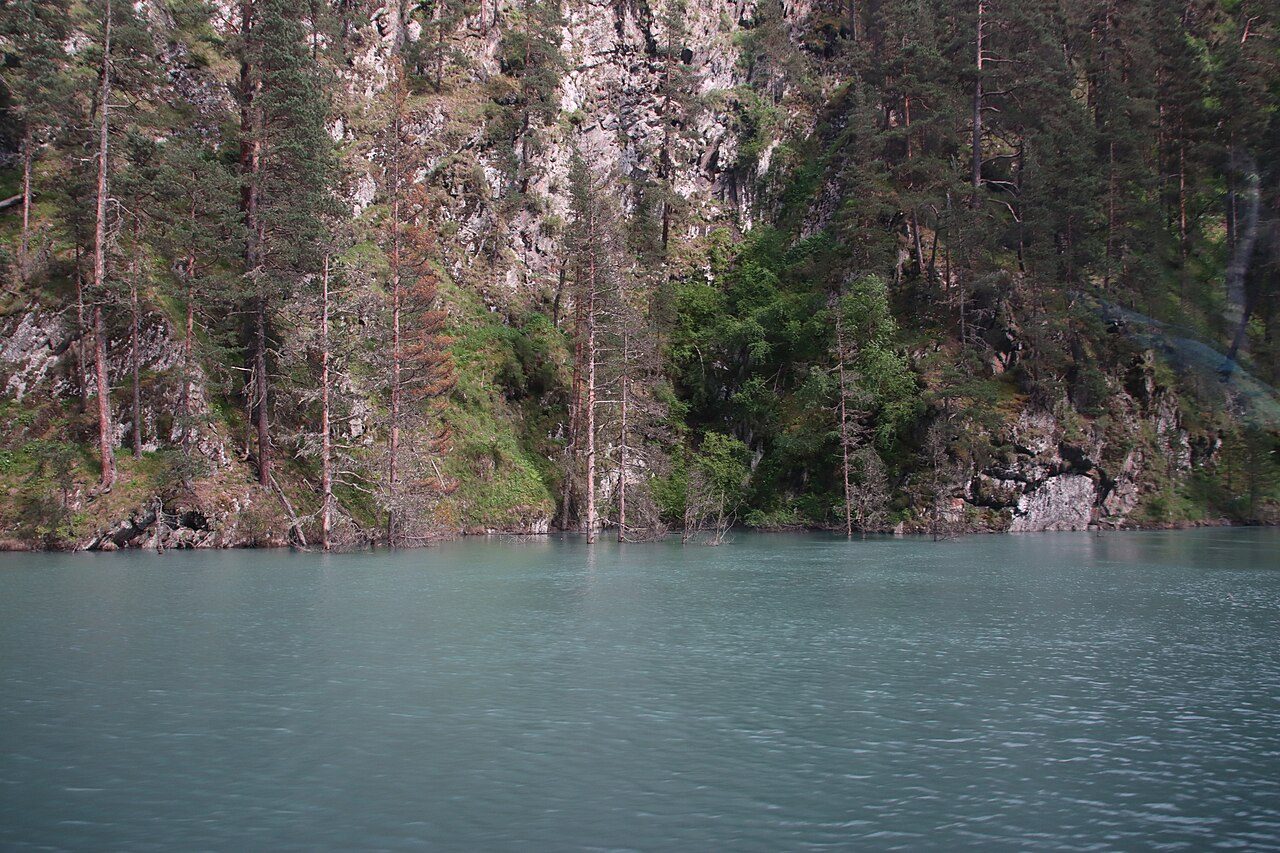
Tusheti (Omalo)
Perched high in the Greater Caucasus beyond the perilous 2,850-meter Abano Pass from Telavi, Omalo serves as the fortified heart of Tusheti. Crowned by the Keselo fortress—erected during the 13th-century Mongol invasions—this dual settlement of Upper and Lower Omalo preserves the fierce independence of the pastoral Tush people. The skyline is dominated by medieval defensive towers (*koshkebi*), whose dry-stacked grey schist walls taper steeply beneath pyramidal, slate-shingle roofs. Clustered beneath these surviving stone redoubts, traditional flat-roofed dwellings feature intricately carved wooden balconies weathered to a pale bone hue by harsh sub-alpine winters, showcasing vernacular defensive architecture engineered to survive both foreign raids and punishing mountain winters. Ascending the narrow gravel paths of Upper Omalo, visitors encounter an atmosphere permeated by the scent of burning pine, wild mountain thyme, and damp shale. Sacred stone cairns known as *khati*, crowned with the horns of sacrificed rams, stand on village perimeters, marking ancient animist-Christian boundaries that still dictate local custom. Looking outward from the battlements of Keselo, the eye sweeps over the jagged gorge of the Pirikiti Alazani River toward the snowcapped massif of Mount Diklo. The silence is broken only by the hollow clatter of loose slate underfoot and the whinny of mountain horses grazing the emerald slopes, anchoring travelers in a rugged, centuries-old rhythm of Caucasian pastoral life.
More in Telavi

Photo credits (3)
- Draceane, CC BY-SA 4.0, via Wikimedia Commons
- Gerd Eichmann, CC BY-SA 4.0, via Wikimedia Commons
- Kakhi Kuloshvili, CC BY-SA 4.0, via Wikimedia Commons