
Ordubad
Tucked into the lower slopes of the Zangezur Mountains within the Nakhchivan exclave, Ordubad drops gently toward the valley of the Aras River. Walking its narrow, winding lanes reveals a landscape shaped by stone-walled orchards, underground irrigation channels called kahriz, and massive plane trees casting deep shade over cobblestones. The atmosphere is quiet and provincial, governed by the sound of gurgling water and the smell of fruit trees that lean over every garden wall. Established as a Silk Road transit hub, the town flourished under the Safavid dynasty in the seventeenth century. At its civic heart stands the Juma Mosque, erected in 1604 and bearing an imperial decree carved into its masonry by order of Shah Abbas I. Across the square sits the domed seventeenth-century Geysariyya, an ancient trading hall for silk merchants that now houses the town historical museum. Wandering through historic quarters like Ambaras, Kurdtatal, and Malek Ibrahim brings you to carved timber verandas and hollowed plane trunks that have shaded neighborhood assemblies for centuries. The surrounding orchards produce famous stone fruits, celebrated each summer when roofs fill with trays of drying apricots. In local teahouses, residents drink black tea poured alongside walnut preserves or sweet qayganaq, a rich local omelette dressed with honey. Late spring and early autumn provide the most comfortable weather for walking, when temperatures cool and market stalls display fresh persimmons and nuts. The town center is entirely walkable, reachable in ninety minutes by shared taxi from the regional capital, Nakhchivan City.
Read more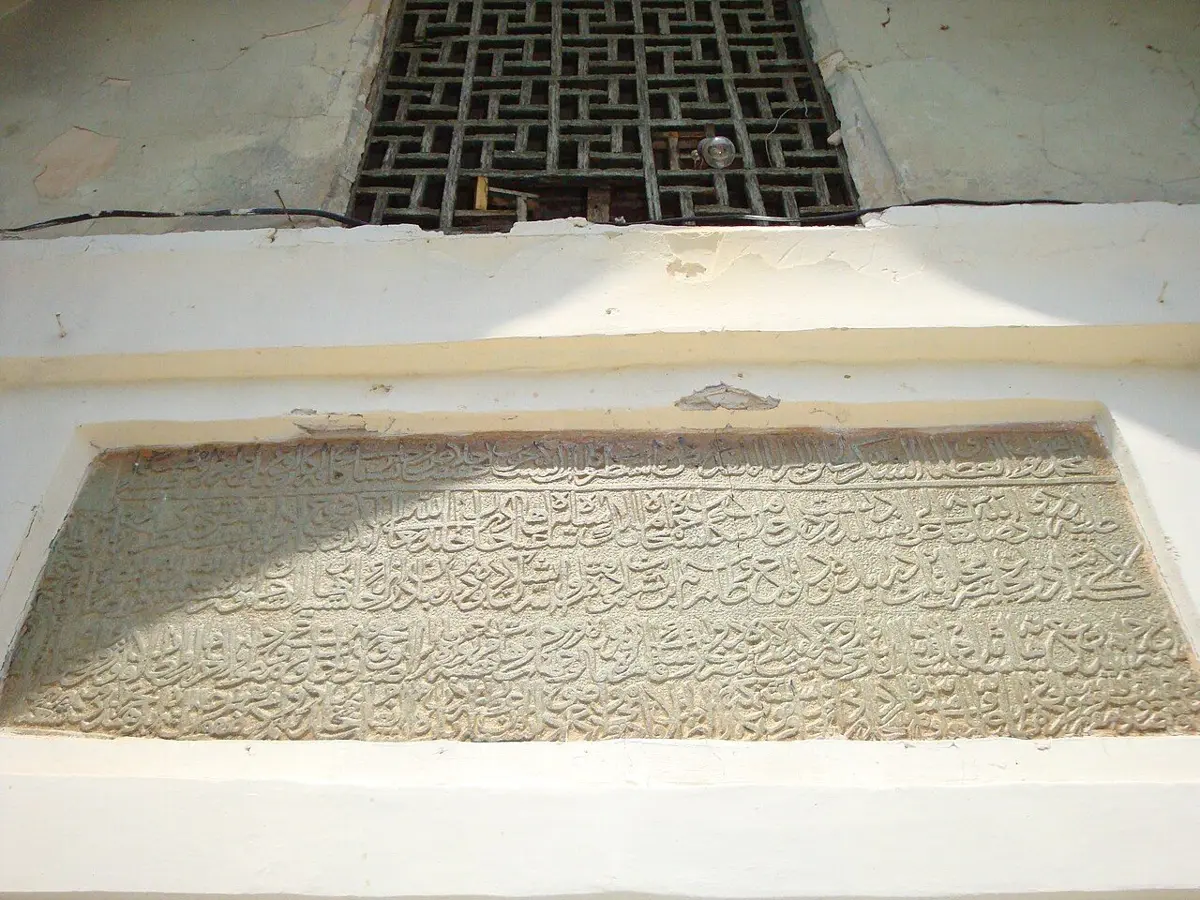
What to see in Ordubad
Guides & drivers nearby


Travel guides for Ordubad
Photo credits (2)
- Ordubadlixan, CC BY-SA 4.0, via Wikimedia Commons
- Rəcəb Yaxşı, CC BY-SA 4.0, via Wikimedia Commons