
 New added
Juma Mosque
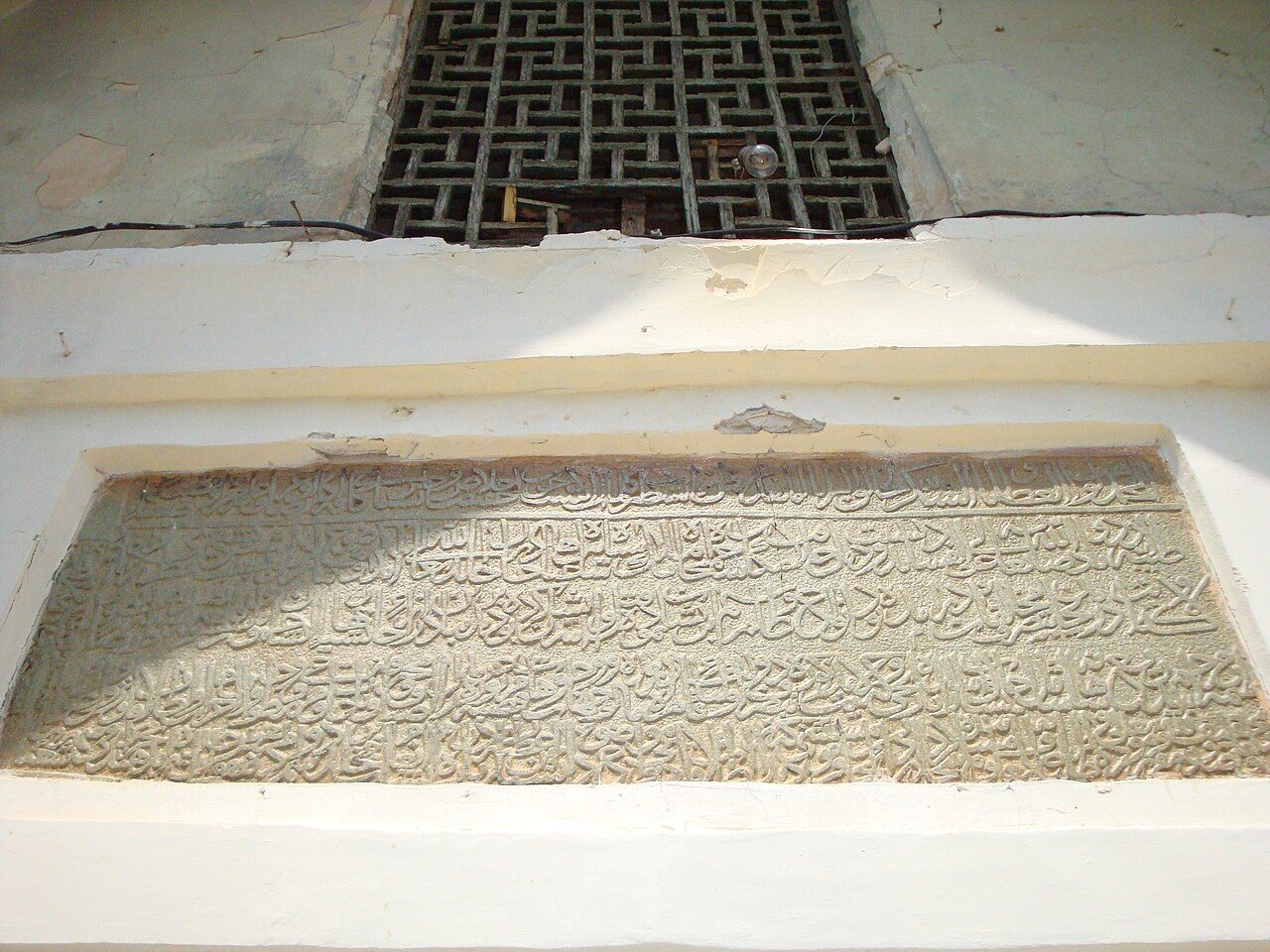
Perched above the tiered, shaded squares of Ordubad, the Juma Mosque stands as an enduring monument of seventeenth-century Safavid craftsmanship. Though its roots reach back to earlier medieval foundations, the edifice gained historical prominence during its 1604 reconstruction under Shah Abbas I. Etched directly into the stone above the northern portal is a rare royal decree, rendered in flowing Persian script, which permanently exempted the town’s residents from imperial taxes in recognition of their allegiance during the Ottoman-Safavid conflicts. The exterior presents a fortress-like restraint, characterized by ochre-toned brick masonry, deep recessed lancet niches, and a low-slung central dome resting upon an octagonal drum that harmonizes with the surrounding Zangezur mountain slopes. Passing through the carved walnut entrance, visitors trade the dry heat of Nakhchivan for the cool stillness of an expansive, vaulted sanctuary. The interior eschews flamboyant tilework in favor of an austere, contemplative spatial harmony. Thick masonry piers support wide pointed arches and stepped pendentives, guiding the eye upward toward the unadorned brickwork of the cupola. Sunlight filters through high, narrow clerestory apertures, casting sharp geometric shadows across the carpeted prayer hall and revealing faded timber tie-beams fitted centuries ago. Standing in the central nave, travelers encounter a profound, living quietude that has remained practically uninterrupted since the days of the Silk Road.
More in Ordubad
Photo credits (2)
- Ordubadlixan, CC BY-SA 4.0, via Wikimedia Commons
- Rəcəb Yaxşı, CC BY-SA 4.0, via Wikimedia Commons