Agra
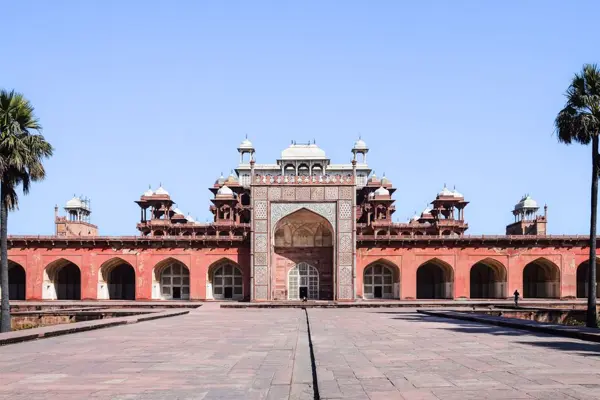
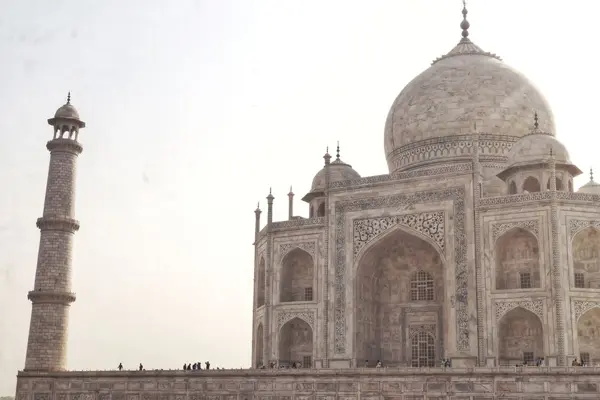
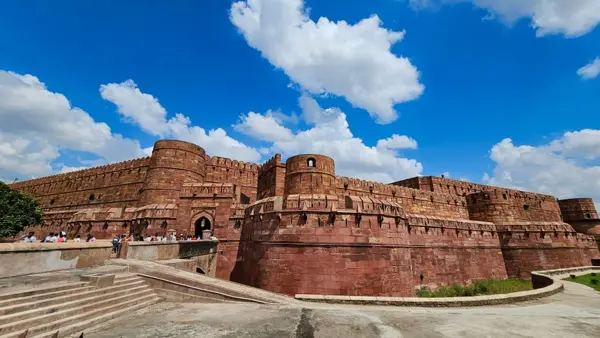
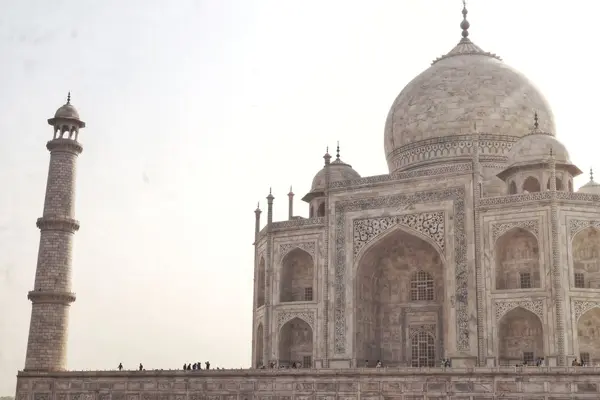
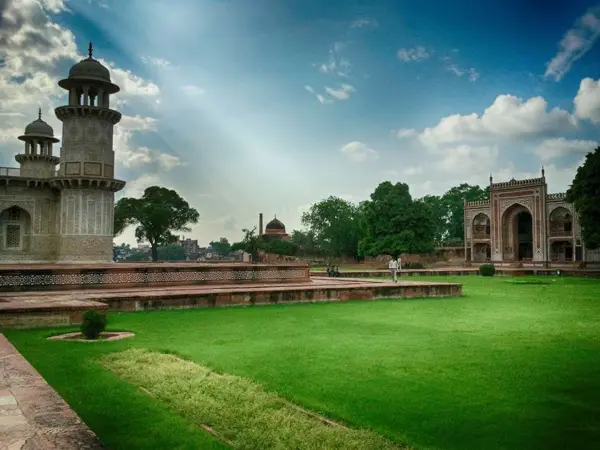
Agra sprawls along the muddy bends of the Yamuna River in northern Uttar Pradesh, where the air carries the dry scent of alluvial dust, exhaust fumes, and sweet river mist. Walking the streets beyond the modern ring roads reveals a frantic rhythm of cycle-rickshaws, wandering sacred cattle, and narrow alleyways where generational artisans tap chisels into white marble slabs. The city surged to prominence in 1526 when the Mughal ruler Babur made it his imperial capital, though its signature monuments date to the sixteenth and seventeenth centuries. Beyond the white-domed Taj Mahal, completed in 1648 on the orders of Shah Jahan, travelers encounter the formidable crescent walls of Agra Fort and the delicate pietre dure inlay at the riverside tomb of Itmad-ud-Daulah. West of the railway tracks, the medieval lanes of Kinari Bazaar unravel beneath the minarets of the seventeenth-century Jama Masjid, still packed with silversmiths and embroiderers practicing zardozi needlework. Daily life centers around the city markets, where halwais boil petha, a translucent, syrupy confection made from winter melon, alongside carts frying crisp morning bedmi puri. Each February, the ten-day Taj Mahotsav brings regional folk dancers, drum troupes, and craftspeople from across India to the fields near Shilpgram. Plan visits between November and February to escape scorching Gangetic plain temperatures, and hire electric auto-rickshaws to slip through the dense old-quarter alleys where modern taxis cannot fit.
Read more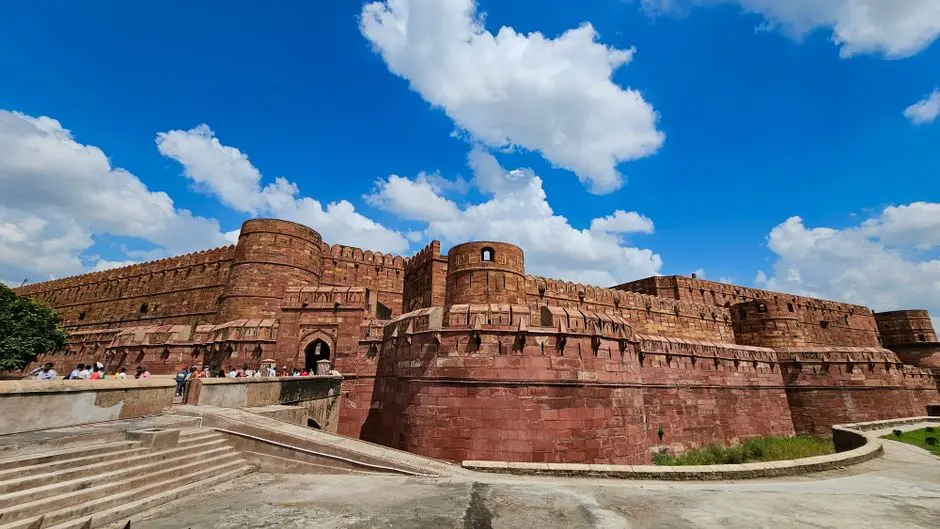
What's on in Agra
Ten-day carnival celebrating Indian heritage, authentic regional cuisine, folk music, classical dances, and artisanal crafts near the Taj Mahal.
Official infoEvents are collected automatically from the web. Dates can change, so please check the official information before you travel.