
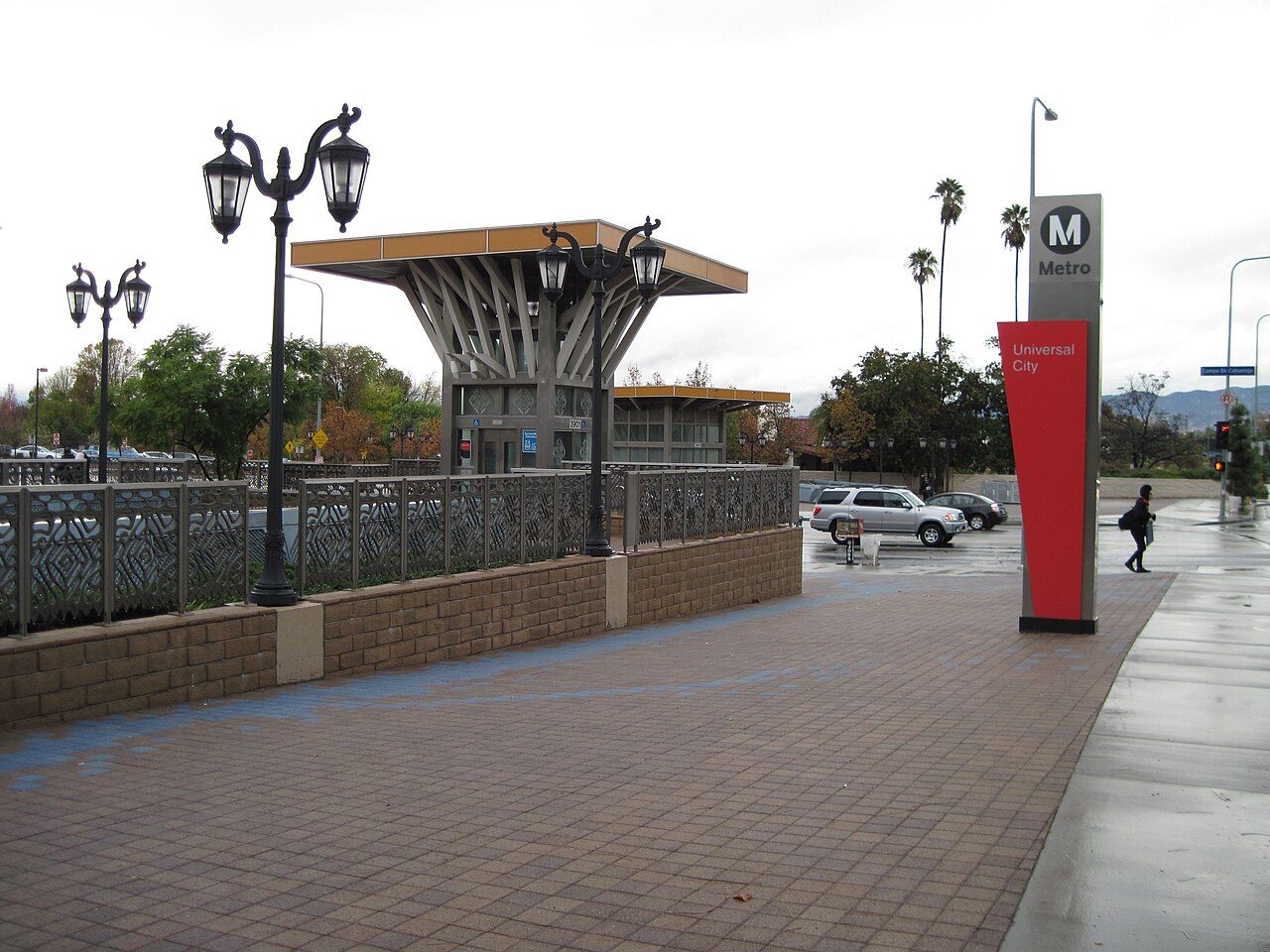
 New added
Universal Studios
Carved into the chaparral of the Cahuenga Pass, Universal City took root in March 1915 when studio pioneer Carl Laemmle transformed a 230-acre chicken ranch into a filmmaking hub, charging spectators twenty-five cents to watch silent productions from wooden bleachers. That modest venture evolved into the birthplace of movie tourism, formalizing in 1964 with the introduction of open-air GlamorTrams navigating working backlots. Today, the park’s architecture is defined by dramatic verticality, divided into Upper and Lower Lots tethered by the monumental StarWay—a four-tiered, glass-canopied escalator complex cutting down the hillside that offers sweeping views across the San Fernando Valley and an active sea of mammoth, industrial-beige soundstages. Aboard the Studio Tour trams, travelers encounter cinematic illusion laid bare against Southern California terrain. The journey winds past the eerie, weathered clapboard silhouette of the hilltop Victorian Psycho House—preserved since Alfred Hitchcock’s 1960 thriller—before descending into the surreal, debris-strewn wasteland of a commercially decommissioned Boeing 747 dismantled across a faux suburban street. On foot, visitors navigate a sensory collision: the sudden, ozone-tinged mist and thundering roar of engineered flash floods cascading down cobbled set-pieces, the subterranean hum of heavy stage hydraulics, and the vertigo of standing beneath towering, painted studio scrims that blur working Hollywood industrialism with hyper-saturated cinematic fantasy.
More in Los Angeles
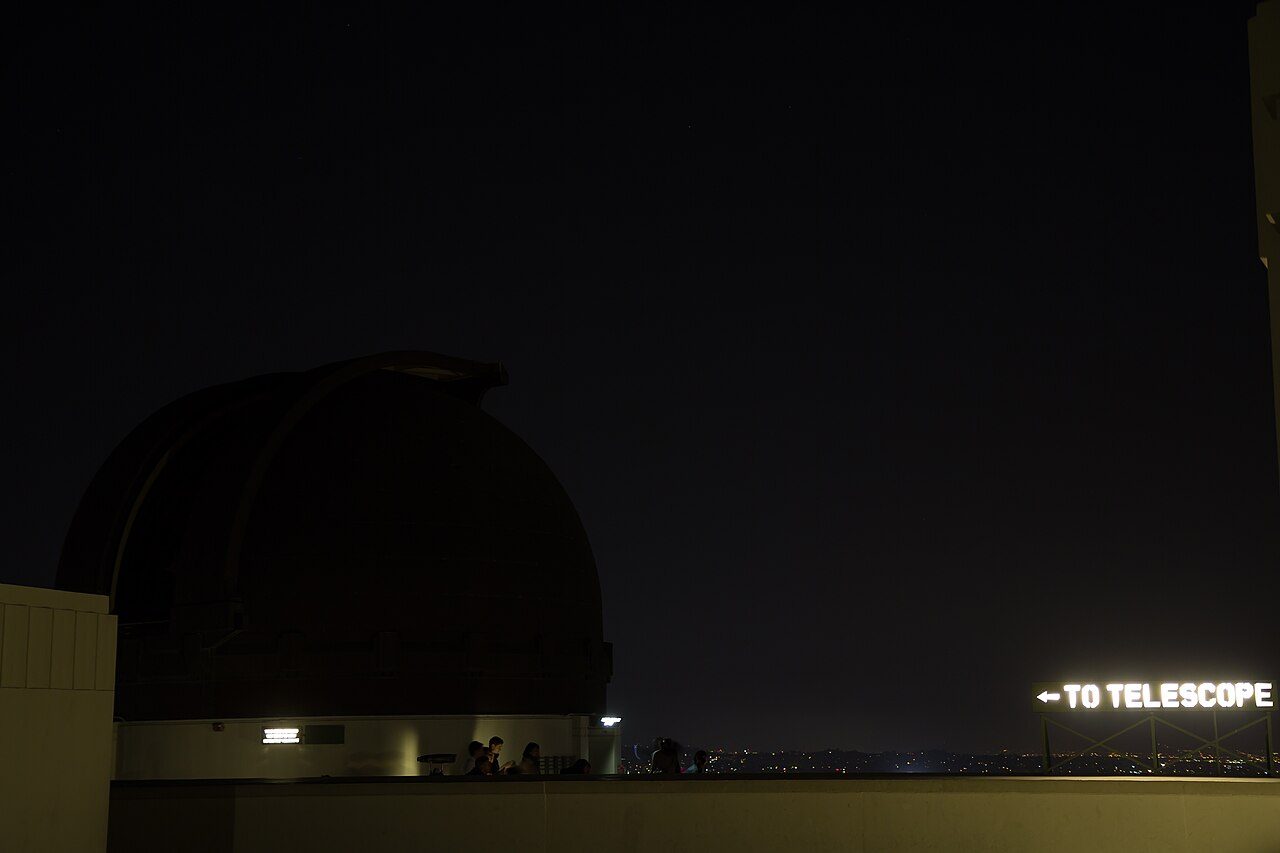
Photo credits (5)
- GTD Aquitaine, Public domain, via Wikimedia Commons
- Jelson25, Public domain, via Wikimedia Commons
- Robert F. Tobler, CC BY-SA 4.0, via Wikimedia Commons
- Thomas Wolf , www.foto-tw.de, CC BY-SA 3.0, via Wikimedia Commons
- Atomic Taco from Seattle, WA, USA, CC BY-SA 2.0, via Wikimedia Commons