
Los Angeles
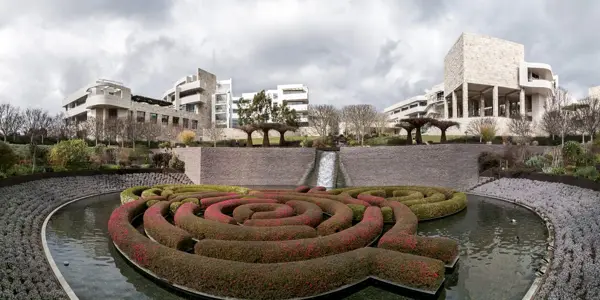
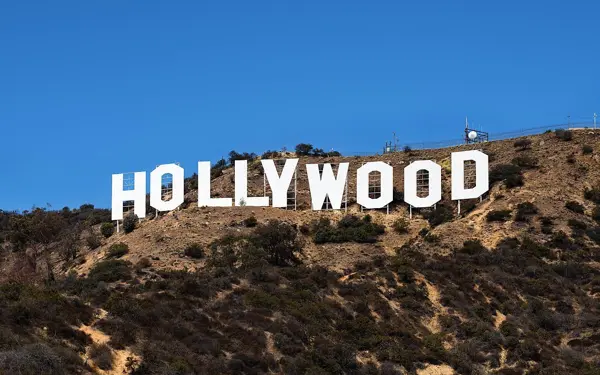
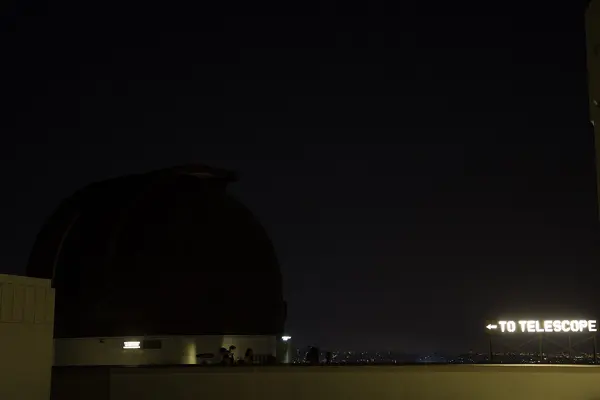
Los Angeles sprawls across a wide coastal basin in Southern California, bounded by the Pacific Ocean to the west and the rugged San Gabriel Mountains to the north. Moving through it feels less like exploring a traditional metropolis and more like crossing an archipelago of independent towns. Salt air and roller skaters define the oceanfront boardwalks, while inland, bougainvillea spills over mid-century bungalows and the concrete channel of the Los Angeles River cuts silently through industrial rail yards. Founded in 1781 by forty-four Spanish settlers, the city grew from a remote colonial outpost into a global film capital after the arrival of the transcontinental railroads and early twentieth-century movie studios. Olvera Street still retains historic brick plazas and the 1818 Avila Adobe, contrasting sharply with the steel-and-glass towers of Downtown. Further west, the Griffith Observatory anchors Mount Hollywood with its copper domes and planetarium, while the travertine courtyards of the Getty Center in Brentwood look out over the Pacific coastline. Daily life thrives on street food, from carnitas tacos served from late-night trucks along Whittier Boulevard to papusas and fresh oysters inside Grand Central Market. In summer, residents gather with picnic baskets for evening concerts at the Hollywood Bowl, a tradition running for over a century. Because the city spans hundreds of square miles, group your days by distinct sectors rather than crisscrossing the basin. Spring and autumn offer the clearest weather, and using the expanding Metro rail system alongside rideshares helps bypass the notorious highway congestion.
Read more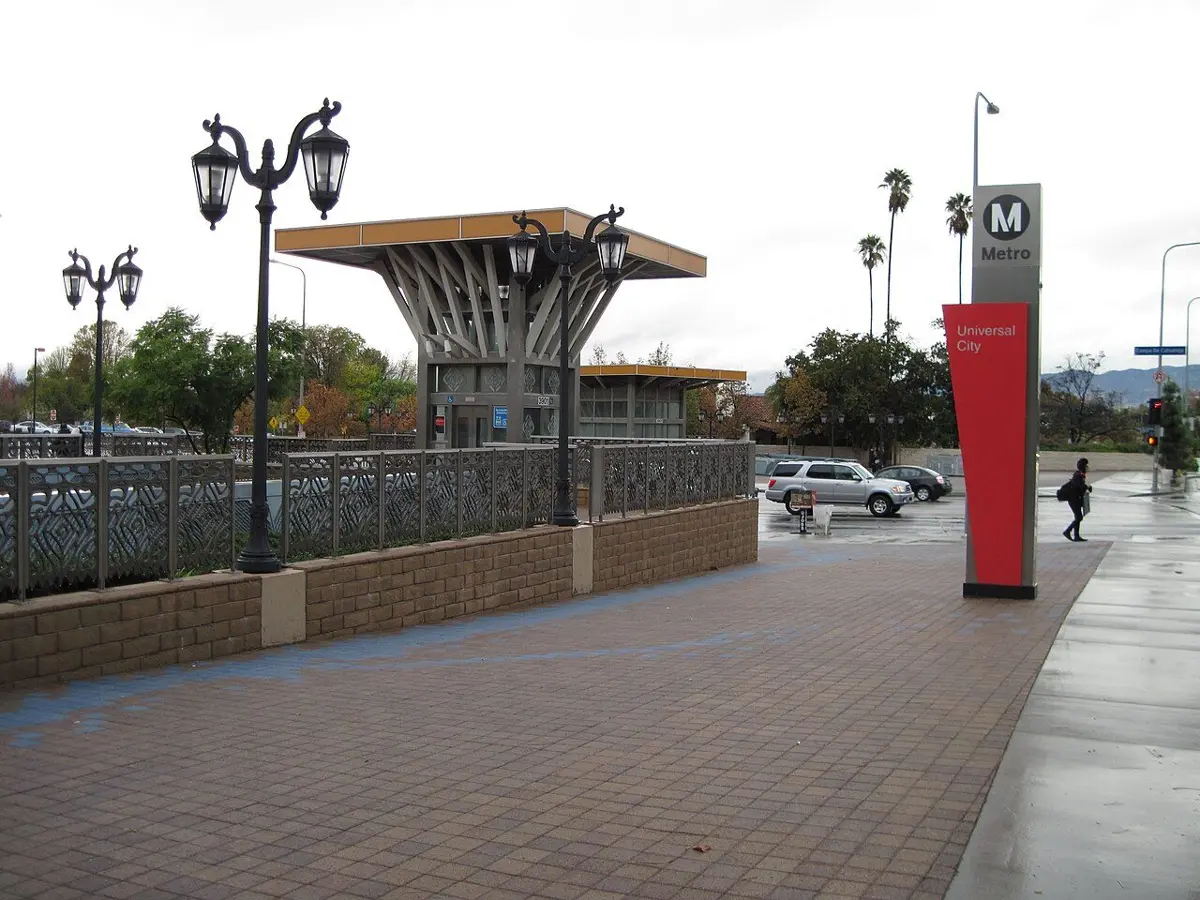
What to see in Los Angeles
Travel guides for Los Angeles
Photo credits (5)
- GTD Aquitaine, Public domain, via Wikimedia Commons
- Jelson25, Public domain, via Wikimedia Commons
- Robert F. Tobler, CC BY-SA 4.0, via Wikimedia Commons
- Thomas Wolf , www.foto-tw.de, CC BY-SA 3.0, via Wikimedia Commons
- Atomic Taco from Seattle, WA, USA, CC BY-SA 2.0, via Wikimedia Commons