
 New added
Durban Botanic Gardens
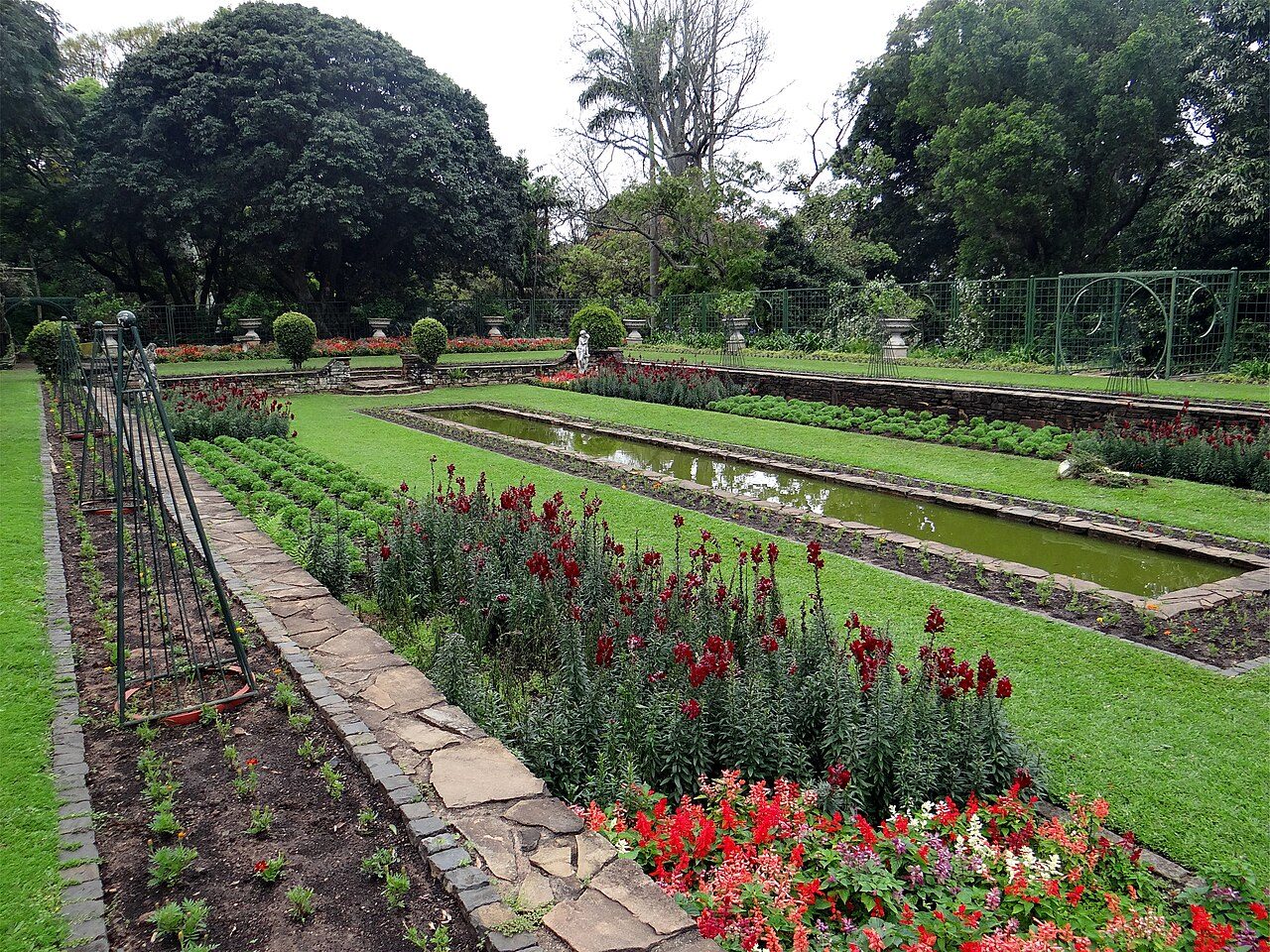
Founded in 1849 by the Durban Agricultural Society and shaped substantially by botanist John Medley Wood in the late 19th century, the Durban Botanic Gardens holds the mantle of Africa’s oldest surviving botanical garden. Its grounds originally served as an experimental station trialing colonial cash crops like tea, arrowroot, and sugarcane before evolving into a world-renowned conservation sanctuary. The historical centerpiece is the living cycad collection, anchored by a rare specimen of *Encephalartos woodii*. Discovered by Wood in the Ngoye Forest in 1895, this solitary, prehistoric male cycad is extinct in the wild, producing offsets that make this living fossil one of the rarest botanical treasures on Earth. Wandering the paths, visitors trade the humid buzz of Durban’s Berea ridge for dense subtropical canopies where colossal *Ficus* trees drop curtain-like aerial roots onto emerald lawns. Pathways wind toward the Sunken Garden, excavated in the 1930s to showcase geometric beds of vibrant annuals, and lead onward to the Ernest Thorpe Orchid House, where hundreds of mist-dusted epiphytes bloom in vivid purples and golds. Beneath the heavy canopy, the air smells of crushed fern and damp earth. Beside the heritage lily pond, noisy weaver birds weave intricate nests among weeping reeds, offering a sensory retreat steeped in over 170 years of horticultural heritage.
More in Durban
Photo credits (3)
- Wayne77, CC BY-SA 3.0, via Wikimedia Commons
- Hansueli Krapf (User Simisa), CC BY-SA 4.0, via Wikimedia Commons
- Ainsleykg