
Durban
Sprawled along the subtropical coast of KwaZulu-Natal where the Umgeni River meets the Indian Ocean, Durban moves to the rhythm of warm surf and humid sea breezes. Walking the beachfront along the Golden Mile, you pass Zulu rickshaw operators in beaded headdresses, dawn surfers reading the swells of the Agulhas Current, and joggers pacing past art deco apartment blocks. The atmosphere is distinctly relaxed, scented with roasting spices, sea brine, and lush vegetation that flourishes across the coastal hills. Established in 1824 through negotiations between British traders and Zulu King Shaka, the settlement was renamed Durban in 1835. The arrival of Indian indentured laborers from 1860 onward reshaped the city, leaving a legacy visible in the Grey Street Quarter, home to the domed 1927 Juma Masjid. Inland, the Durban Botanic Gardens, planted in 1849, shelters rare prehistoric cycads in Africa’s oldest surviving public garden. Further north stands the massive arch of the Moses Mabhida Stadium, while the Edwardian verandas of Florida Road in Morningside frame a leafy strip of cafes and independent galleries. Daily life revolves around distinct culinary traditions, notably bunny chow, a hollowed loaf of white bread filled with spicy mutton or bean curry. Across the railway tracks, the vibrant stalls of Warwick Junction host traditional healers trading indigenous herbs alongside vendors selling Zulu beadwork. Between June and August, winter brings clear skies and warm surf temperatures, making it the ideal season to visit. For getting around safely, stick to licensed rideshare apps rather than walking between districts after dusk.
Read more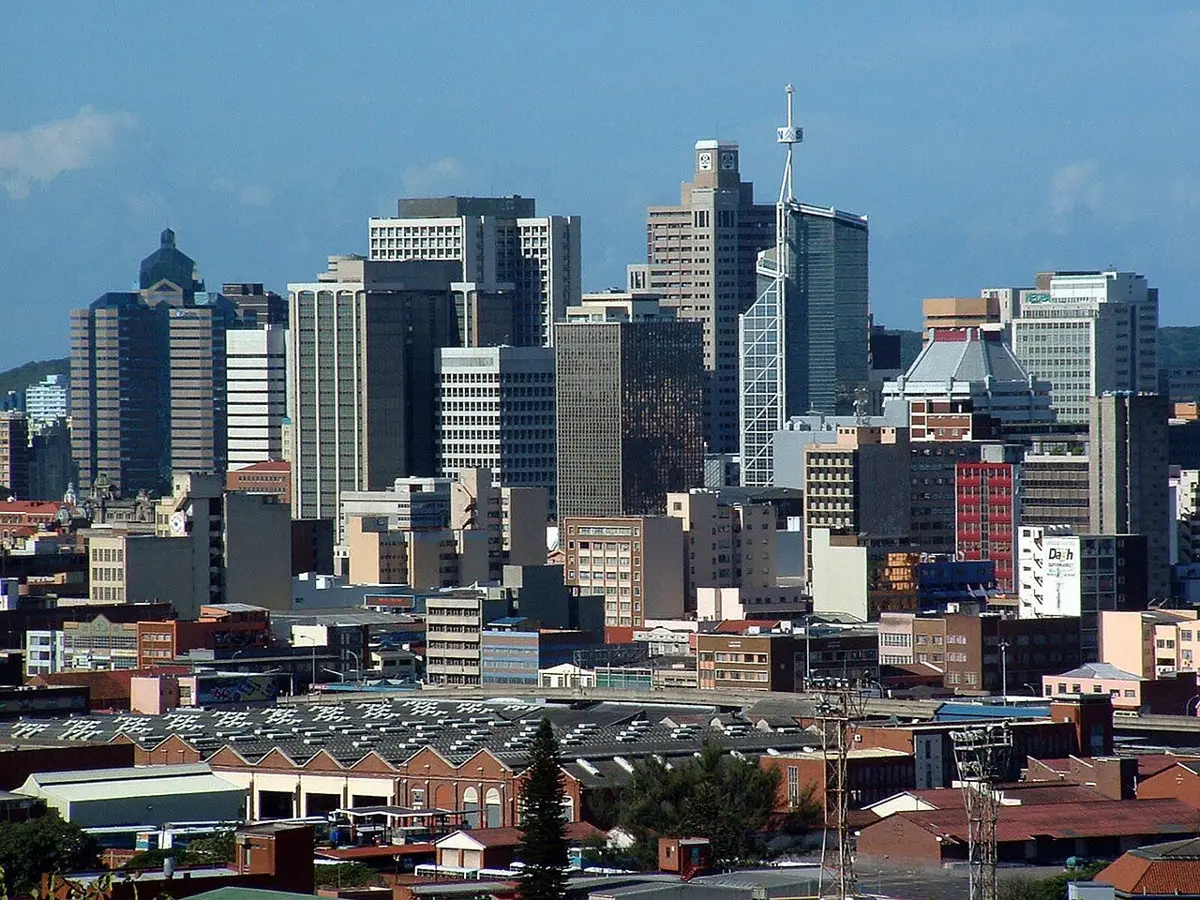
What to see in Durban
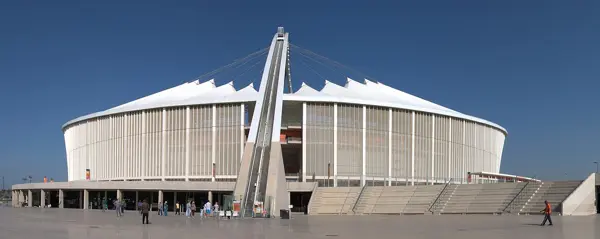
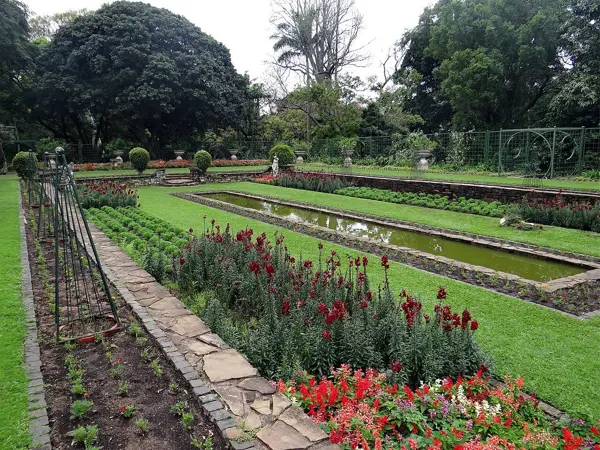
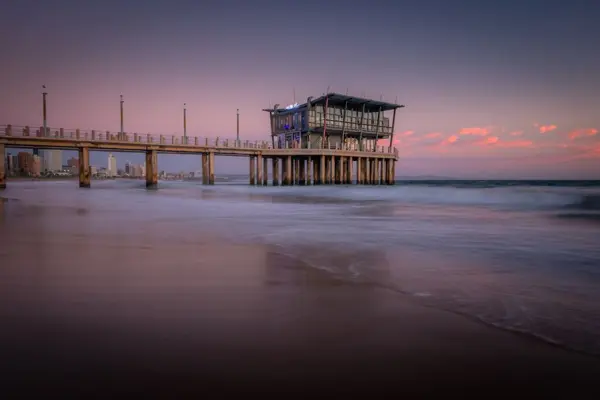
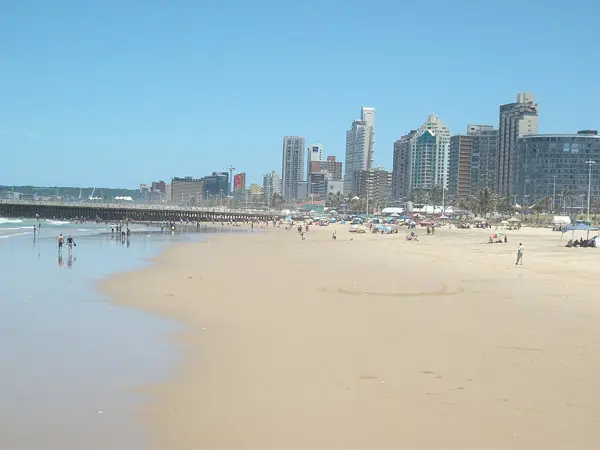
Photo credits (4)
- Chris Bloom, CC BY-SA 2.0, via Wikimedia Commons
- Hansueli Krapf (User Simisa), CC BY-SA 4.0, via Wikimedia Commons
- Wayne77, CC BY-SA 3.0, via Wikimedia Commons
- Ainsleykg