 New added
Lal Haveli
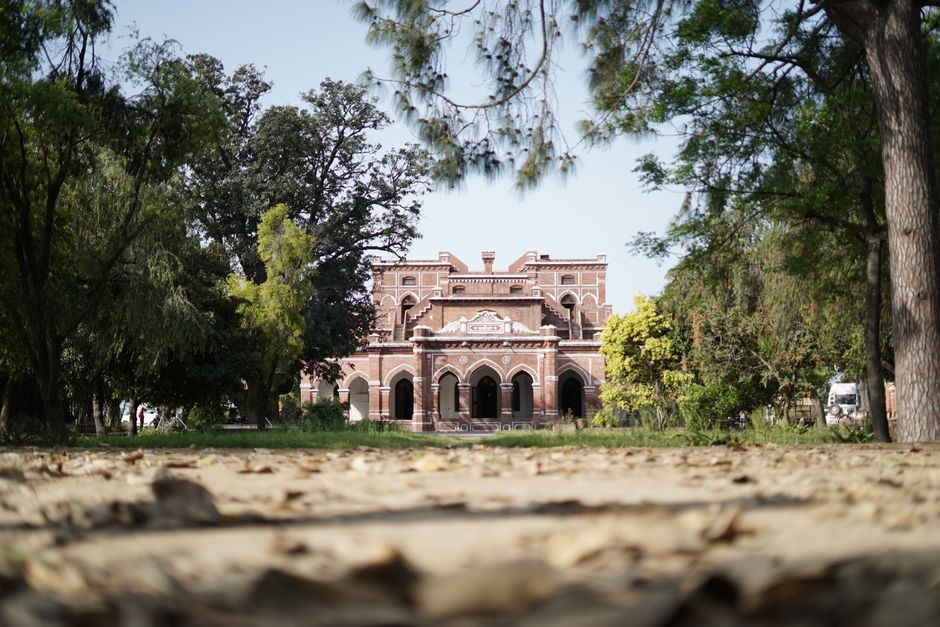
Emerging from the labyrinthine alleys of Rawalpindi’s Bohar Bazaar, the fiery crimson façade of Lal Haveli commands immediate attention. Commissioned in the late nineteenth century by wealthy Hindu merchant Dhan Raj Sehgal for his paramour, the Muslim dancer Budhan Bai, this multi-tiered mansion stands as an eccentric monument of pre-Partition syncretism. Architecturally, the haveli fuses Sikh and Kashmiri vernacular traditions, characterized by deeply corbelled eaves, scalloped arches, and ornate wooden *jharokhas* (cantilevered balconies) adorned with delicate timber filigree. Following the mass migrations of 1947, the estate transitioned from a lavish private sanctuary into a legendary political stronghold, famously serving as the headquarters for veteran statesman Sheikh Rasheed Ahmad. Standing beneath the towering structure, travelers are plunged into a sensory collision of old-world grandeur and raw bazaar vitality. The scent of roasted coriander and engine exhaust mingles in the air as pushcarts navigate the narrow street below the mansion's imposing red walls. Looking upward reveals weathered teak shutters and faded floral motifs clinging to the masonry, framed against an anarchic web of overhead electrical wiring. When the late-afternoon Punjabi sun strikes the blood-red plaster, the building radiates an arresting, theatrical aura that captures over a century of romance, communal fracture, and Rawalpindi’s raucous political theater.