Rawalpindi
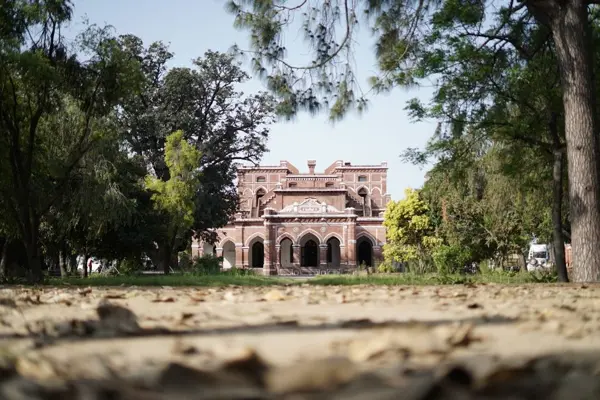
Sprawled across the Potohar Plateau along the curves of the Soan River, Rawalpindi sits in the shadow of the Margalla foothills. Walking through it reveals two distinct personalities: the tree-lined boulevards of the British colonial cantonment and the raw, kinetic energy of the old quarter. Fortified by the Gakhar ruler Jhanda Khan in 1493 and later expanded as a major Victorian military garrison before briefly serving as Pakistan’s interim capital in 1959, the city wears its layered past openly. In the historic core, the late-nineteenth-century Haveli Sujan Singh showcases intricate Sikh woodwork above crowded lanes, while the adjacent labyrinth of Raja Bazaar hums with fabric merchants, spice grinders, and copper smiths. Daily rhythms revolve around hearty food and marketplace trade. Dawn draws crowds into the alleys of Kartarpura for steaming plates of slow-cooked beef nihari, marrow-rich paya, and fresh tandoori kulchas. During the month of Ramadan, this food culture turns into a vibrant late-night ritual, with families congregating on the streets over pink Kashmiri chai and syrup-soaked jalebis until the pre-dawn call to prayer. The crisp, dry months from November to February provide the best conditions for exploring. While the elevated Metrobus offers a straightforward link north to Islamabad, jumping into a nimble three-wheeled auto-rickshaw is the most effective way to navigate Rawalpindi’s tight, chaotic bazaar streets.
Read more