
 New added
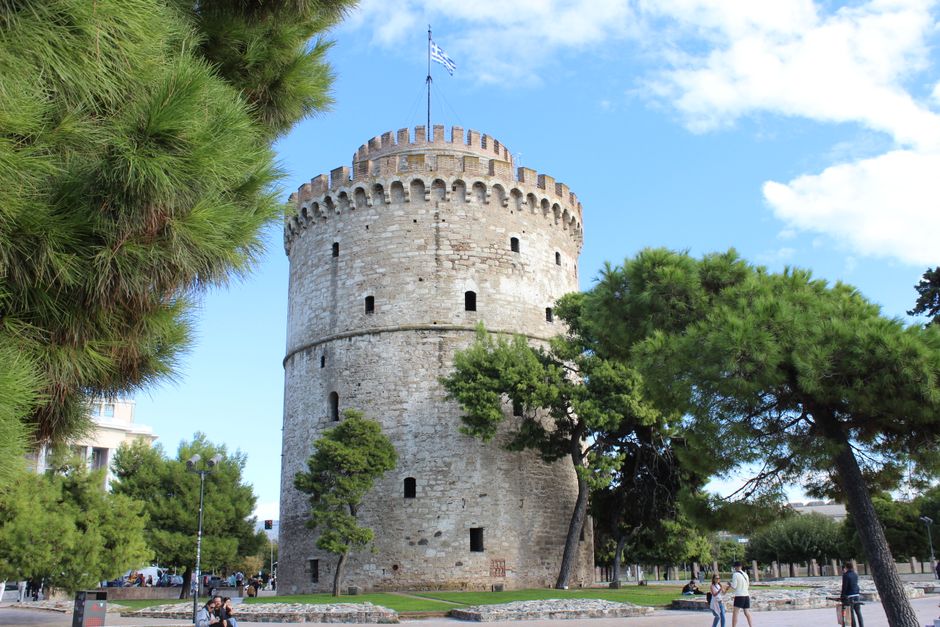
White Tower
Erected by the Ottomans in the late fifteenth century following Sultan Murad II’s conquest of the city, this imposing 34-meter limestone bastion long cast a dark shadow over the Aegean shoreline. Originally integrated into Thessaloniki’s sprawling defensive walls, the structure served as a notorious Janissary barracks and execution site, earning the grim moniker *Kanli Kule*—the "Tower of Blood." Its violent legacy was symbolically scrubbed away in the late nineteenth century when an incarcerated prisoner, Nathan Guidili, whitewashed the facade in exchange for his freedom, christening the landmark with its current name. Architecturally, the colossal cylindrical drum features thick, battered walls pierced by narrow embrasures, culminating in a crenellated viewing terrace topped by a smaller concentric turret. Crossing the threshold, travelers leave the Mediterranean sun behind, stepping into the cool gloom of an interior spiraling ramp that winds past six vaulted chambers. Modern multimedia installations illuminate each level, chronicling Thessaloniki's layered Byzantine, Sephardic, and Ottoman heritage. The sensory climax awaits at the open-air ramparts: emerging onto the stone battlements, visitors are greeted by a gusting sea breeze and sweeping views of the Thermaic Gulf. From this dizzying vantage point, the gaze stretches along the bustling curve of the waterfront promenade, reaching outward on crisp mornings toward the snow-crested ridges of Mount Olympus on the horizon.
More in Thessaloniki
Photo credits (3)
- User:JFKennedy, Public domain, via Wikimedia Commons
- August Dominus, CC BY-SA 4.0, via Wikimedia Commons
- Armineaghayan, CC BY-SA 4.0, via Wikimedia Commons