 New added
Canals
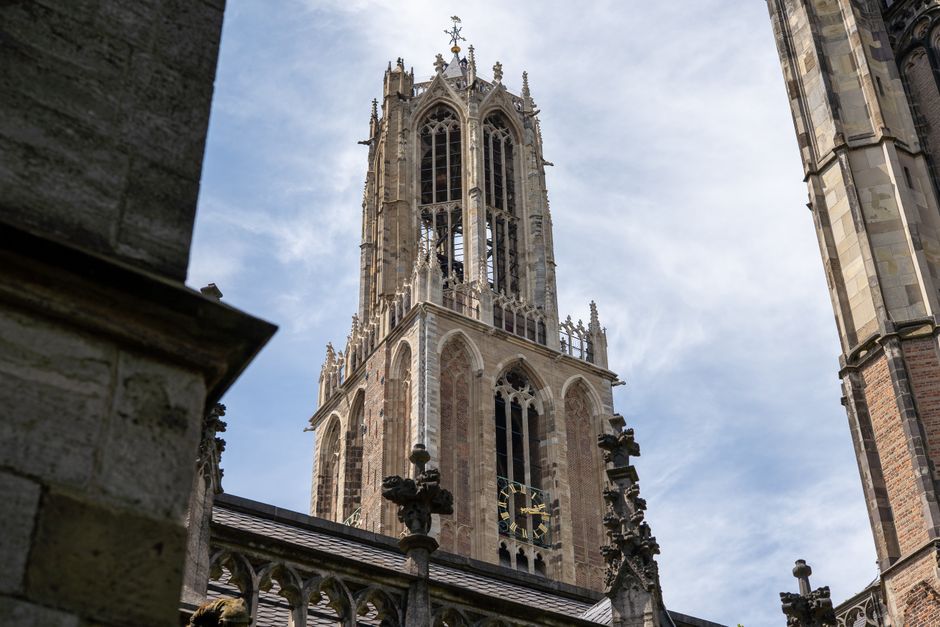
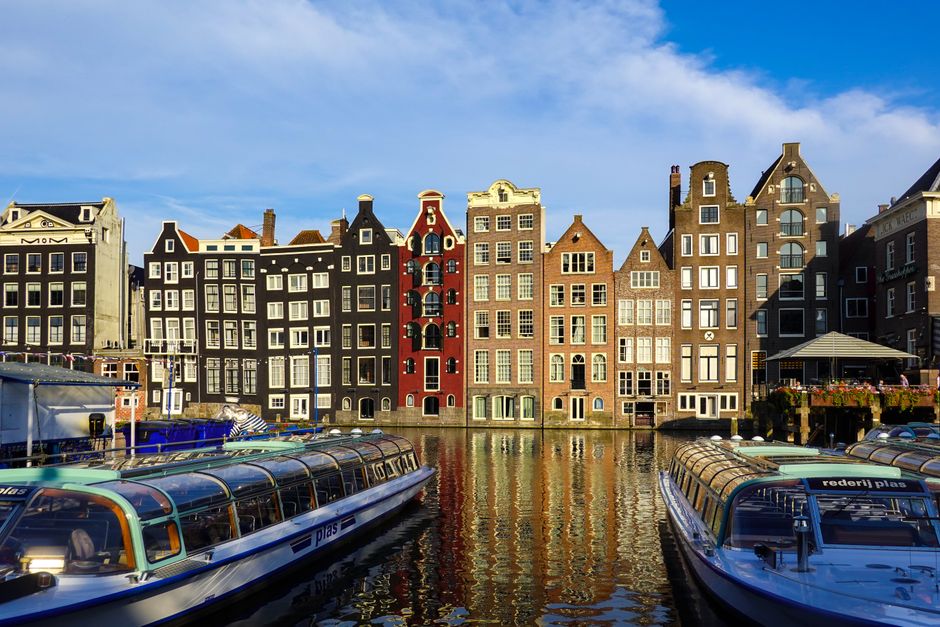
Originating in the twelfth century after Bishop Godebald canalized the shifting waters of the Rhine, Utrecht’s dual-level waterways—anchored by the curving Oudegracht—pioneered an urban engineering design unique to the Low Countries. By 1275, local merchants began carving subterranean vaulted cellars (*werfkelders*) beneath street level, connected directly to low-lying stone quays (*werven*) resting flush against the water. This split-level wharf system allowed cargo barges to unload grain, wine, and timber through cavernous brick archways without disrupting the bustling horse-and-carriage traffic overhead, all developed beneath the watchful shadow of the 112-meter Gothic Domtoren. Descending the steep stone staircases from the upper street, visitors leave modern traffic behind and step onto damp, cobblestone quays where weeping willows drape into the dark green water. Rusted iron hoisting hooks still jut from medieval masonry, while low-arched stone bridges cast heavy shadows over drifting canoes and whisper-quiet electric canal boats. Today, the damp, barrel-vaulted warehouses have been reborn as candlelit taprooms and intimate cafes, where travelers sit mere inches from the water’s edge, listening to the gentle slap of ripples against brickwork beneath a canopy of illuminated elm trees.