Utrecht
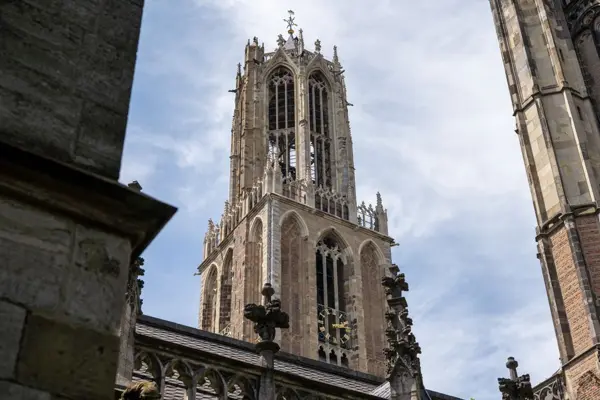
Set along the canalized bends of the Rhine in the center of the Netherlands, Utrecht feels intimate, lively, and water-bound. Its defining feature is the sunken wharves of the Oudegracht, where medieval cargo vaults have evolved into waterside cafes with terrace seating directly at water level. Walking through the inner core means navigating a steady current of bicycles over clinker brick pavements, passing lime trees and arched bridges that reflect in dark green water. The city traces its origins to 47 AD, when Roman soldiers constructed a frontier fortress on Domplein. Today, the 112-meter Dom Tower, completed in 1382, stands detached from its cathedral nave, which collapsed during a violent storm in 1674. In the peaceful Museum Quarter, cobblestone lanes lead to the Pandhof garden, an enclosed fourteenth-century monastery cloister planted with medicinal herbs. A short ride east brings you to the Rietveld Schröder House, an austere masterwork of De Stijl architecture from 1924 that provides a striking counterpoint to the surrounding Gothic brickwork. Local life clusters on Saturdays around the Vredenburg market for warm stroopwafels and raw herring, while the flower market takes over Janskerkhof. Every November, children parade through the medieval streets carrying handmade paper lanterns to honor Sint Maarten, the city patron saint. Because the historic core is largely closed to cars, walking or renting a bicycle is the only sensible way to navigate. Visit on weekday mornings in late spring or September, when the wharf terraces are quiet before students fill the waterside tables.
Read more