 New added
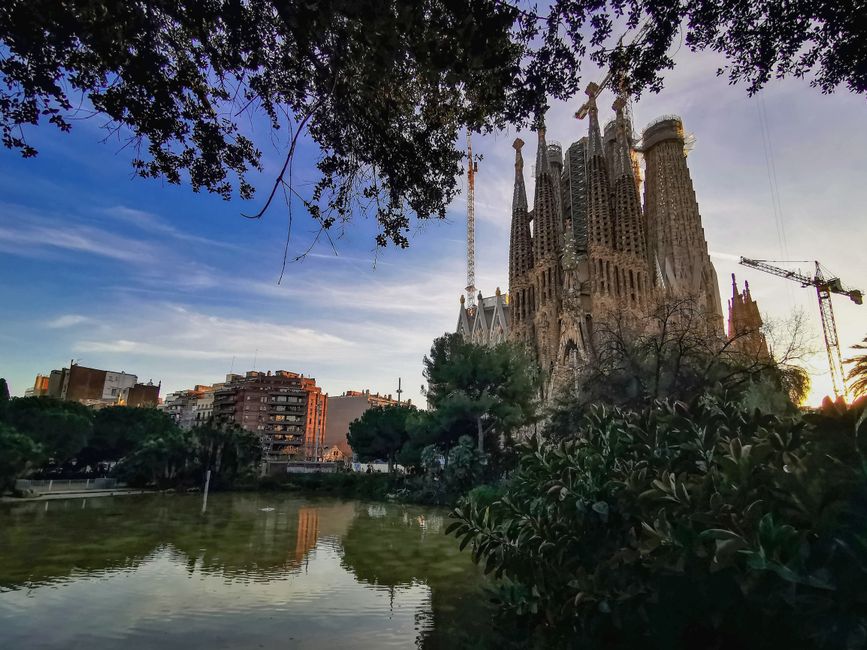
Sagrada Familia
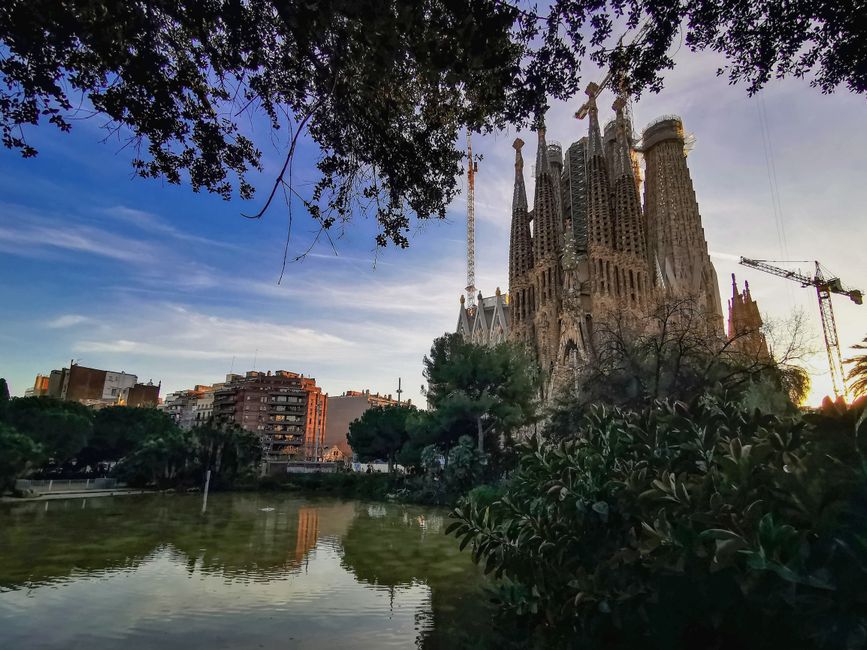
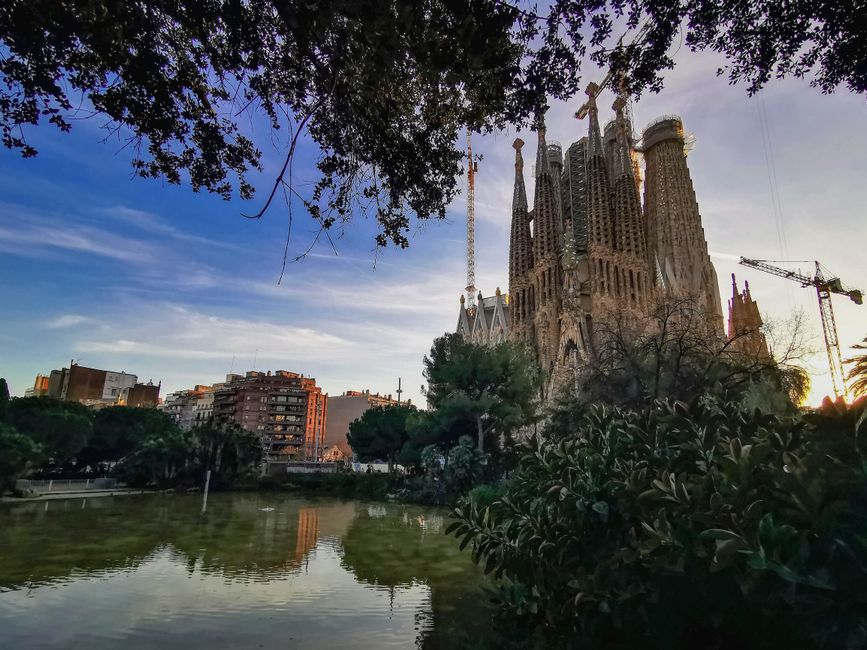
Rising dramatically above Barcelona’s Eixample district since groundbreaking began in 1882, the Basílica de la Sagrada Família represents Antoni Gaudí’s radical reimagining of Gothic architecture through the organic lens of Catalan *Modernisme*. Approaching the exterior reveals a stark visual dialogue between two monumental portals: the hyper-detailed, organic Nativity Facade—sculpted largely under Gaudí’s direct supervision with intricate stone flora and fauna—and the austere, bone-like Passion Facade, chiseled decades later with angular agony by Josep Maria Subirachs. Overhead, perforated bell towers pierce the Mediterranean sky, their spires capped with geometric finials encrusted in brilliant Venetian glass mosaics. Crossing the threshold, visitors transition from bustling urban avenues into a towering stone canopy designed to emulate a sacred forest. Colossal fluted columns of porphyry and granite branch out near the ceiling to support 45-meter-high hyperboloid vaults, drawing the eyes upward toward sunflower-shaped skylights. Rather than the shadowy gloom of medieval cathedrals, the nave is flooded with a shifting sea of chromatic light filtered through Joan Vila-Grau’s abstract stained-glass windows—cool morning aquamarines and emeralds in the east giving way to fiery ambers and crimson washes along the western sunset wall. Standing beneath this luminescent canopy, travelers are engulfed by an overwhelming sense of organic harmony, accompanied by the low reverberation of choral music and the faint, living rhythm of master masons still completing Gaudí's magnum opus.