 New added
Naples National Archaeological Museum
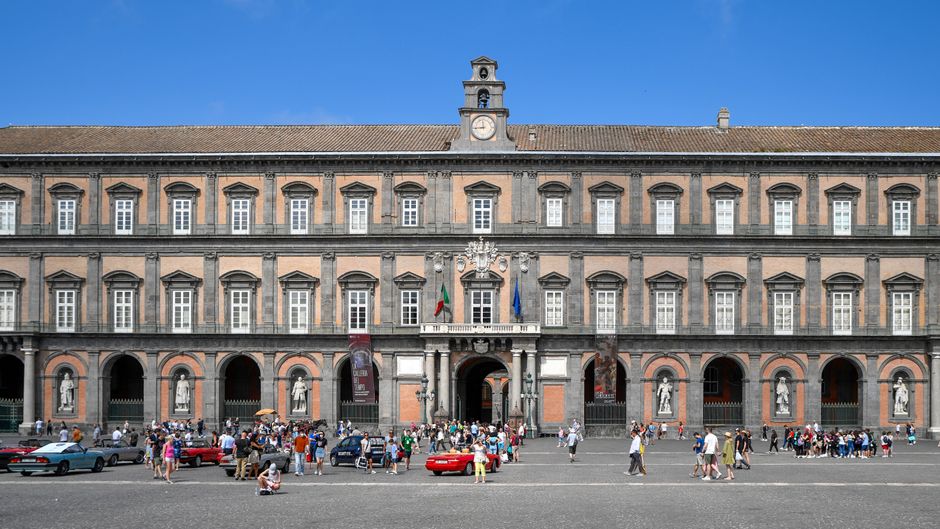
Commissioned in the late sixteenth century as cavalry barracks and later repurposed under Bourbon kings Charles III and Ferdinand IV, this monumental palazzo commands Piazza Museo with its dusky Pompeian-red and ochre facade. Behind the imposing Neoclassical entrance redesigned by architect Ferdinando Fuga lies the world’s preeminent repository of Greco-Roman antiquities. Travelers walking beneath the soaring, sunlit vaults of the ground floor encounter the sheer athletic mass of the third-century Farnese Hercules and the monumental Farnese Bull—a colossal, single-block marble drama of mythical retribution unearthed from Rome’s Baths of Caracalla. Ascending the grand staircase brings visitors face-to-face with the preserved domestic realms of Pompeii and Herculaneum, buried by Vesuvius in 79 AD. In the mezzanine, millions of microscopic stone tesserae form the famed Alexander Mosaic, where the wide, frantic eyes of Persian King Darius III reflect the charging fury of Alexander the Great. Nearby, the dimly lit *Gabinetto Segreto* (Secret Cabinet) reveals the candid, erotic amulets and frescoes once hidden from conservative eyes, while adjacent galleries display carbonized loaves of bread, surgical tools, and delicate sea-blue glassware. Footsteps echo softly across polished floors, lending an intimate stillness to an overwhelming encounter with antiquity's fragile, everyday humanity.