 New added
Grand Canal
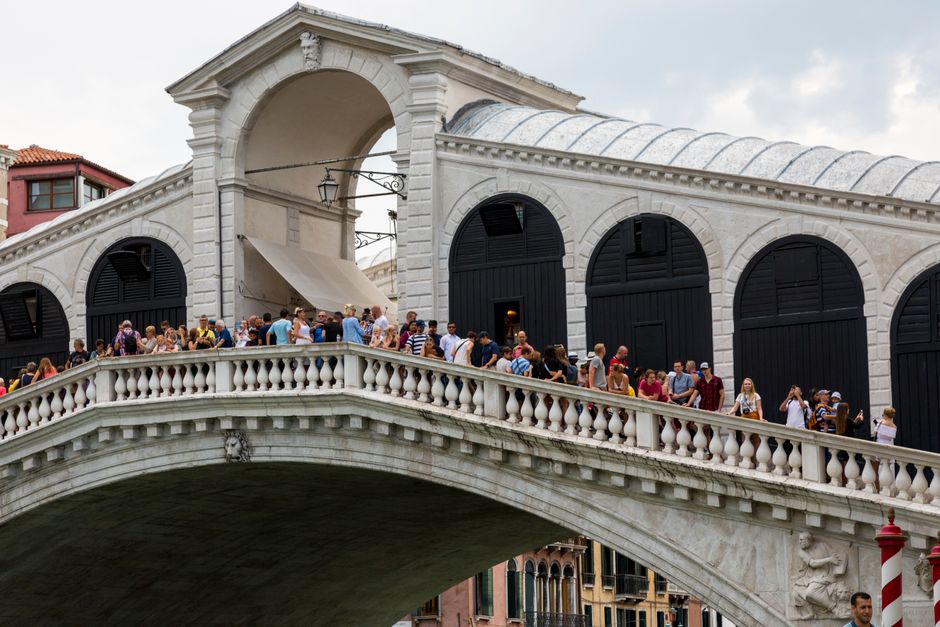
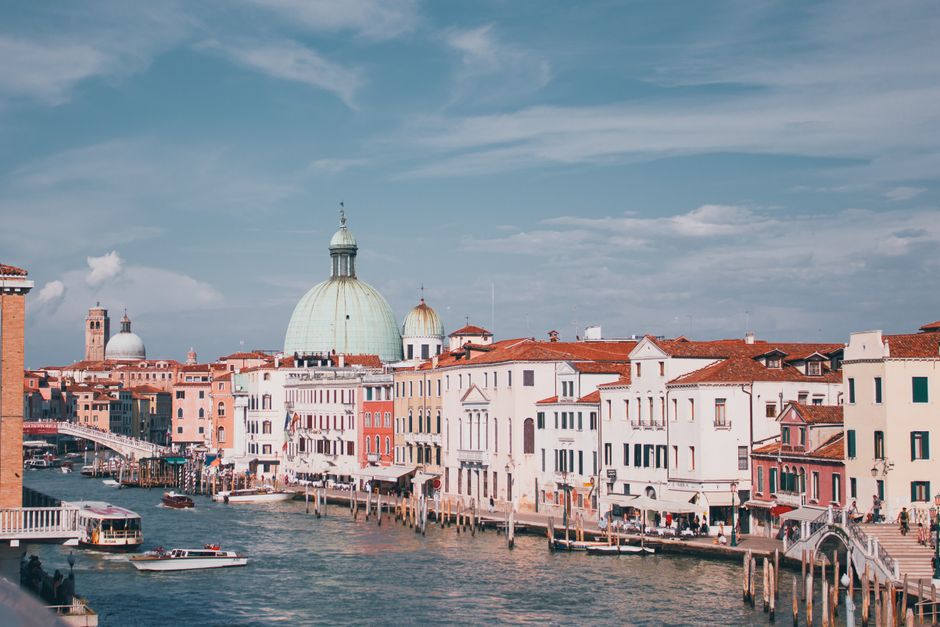
Snaking through the heart of Venice in a sweeping reverse-S curve, the two-and-a-half-mile Grand Canal served for centuries as the aquatic ceremonial boulevard of the Venetian Republic. Flanked by more than 170 palazzi spanning from the 13th to the 18th centuries, this tidal corridor showcases the maritime empire’s mercantile wealth through an uninterrupted progression of architectural styles. The delicate, pierced quatrefoils and white Istrian stone of the 15th-century Venetian Gothic Ca' d'Oro stand in striking contrast to the massive marble volutes of Baldassare Longhena’s 17th-century Baroque Basilica di Santa Maria della Salute, erected to commemorate deliverance from the plague. Spanning the canal's narrowest bend, Antonio da Ponte’s 1591 single-span stone Rialto Bridge remains the structural centerpiece of historic Venetian commerce. Aboard a Line 1 *vaporetto* or standing along the stone embankment of the Fondamenta del Vin, travelers encounter a churning tapestry of maritime motion. The salt-tinged air carries the diesel rumble of watercraft, the low hum of wooden hulls, and the resonant cries of gondoliers echoing off waterlogged foundations. Sunlight shimmers across murky jade-green waters, projecting shimmering bands of amber onto peeling terra-cotta facades, weathered water gates, and barber-pole striped mooring stakes (*paline*). At twilight, as lanterns flicker awake, the constant slap of the wake against algae-slick marble steps offers an intimate, visceral encounter with a legendary metropolis that defies the sea.