 New added
Brühl's Terrace
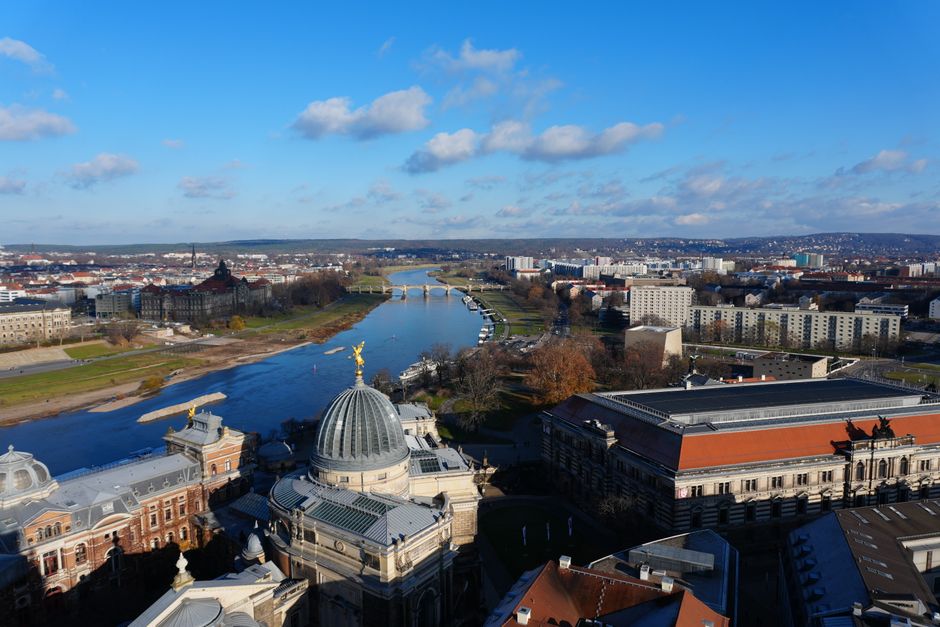
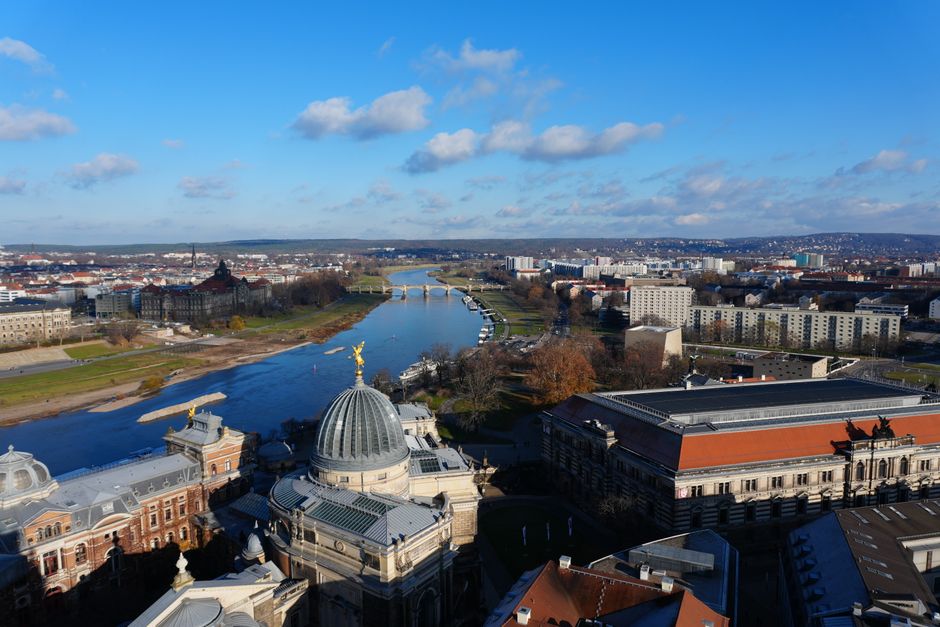
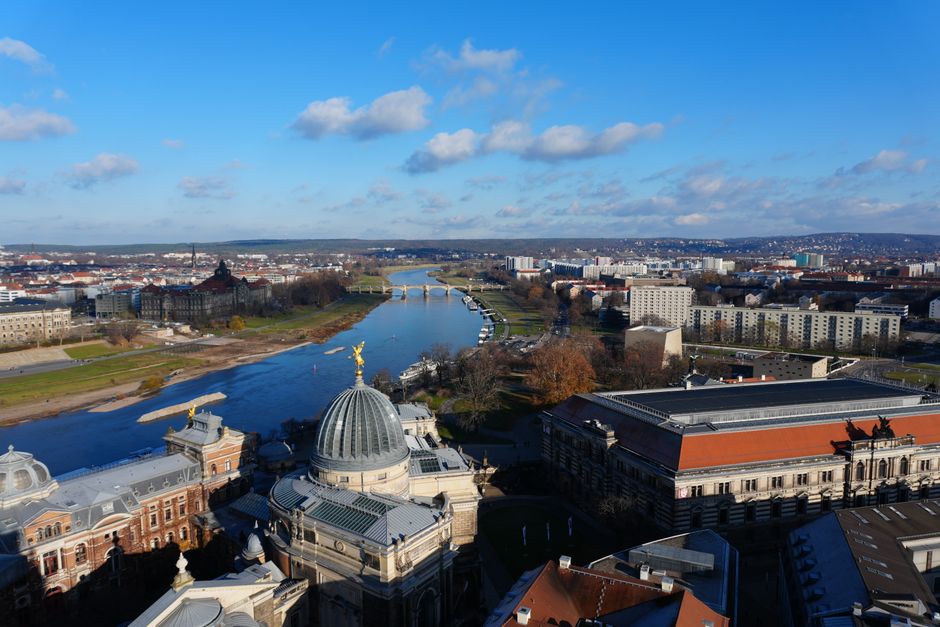
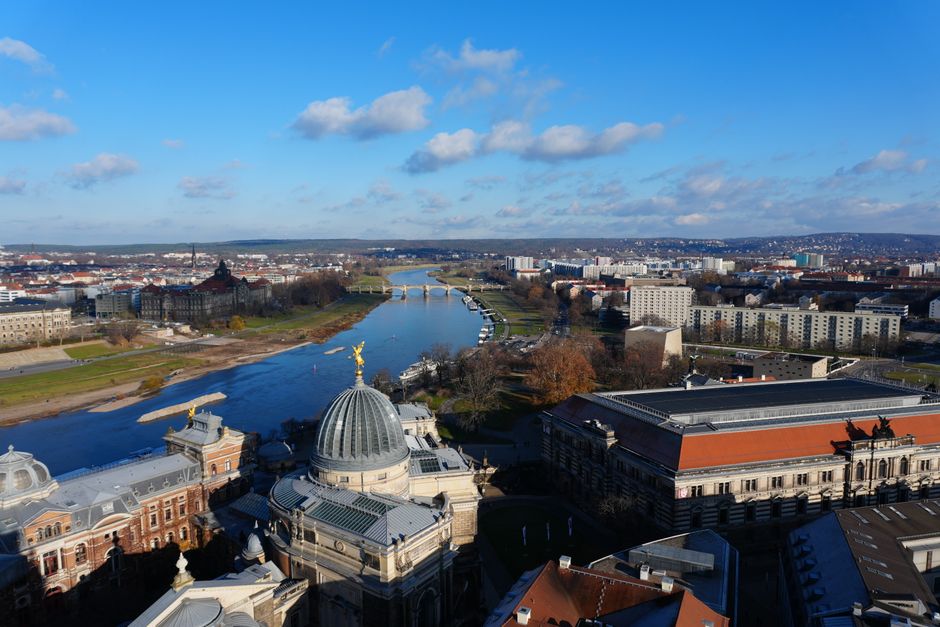
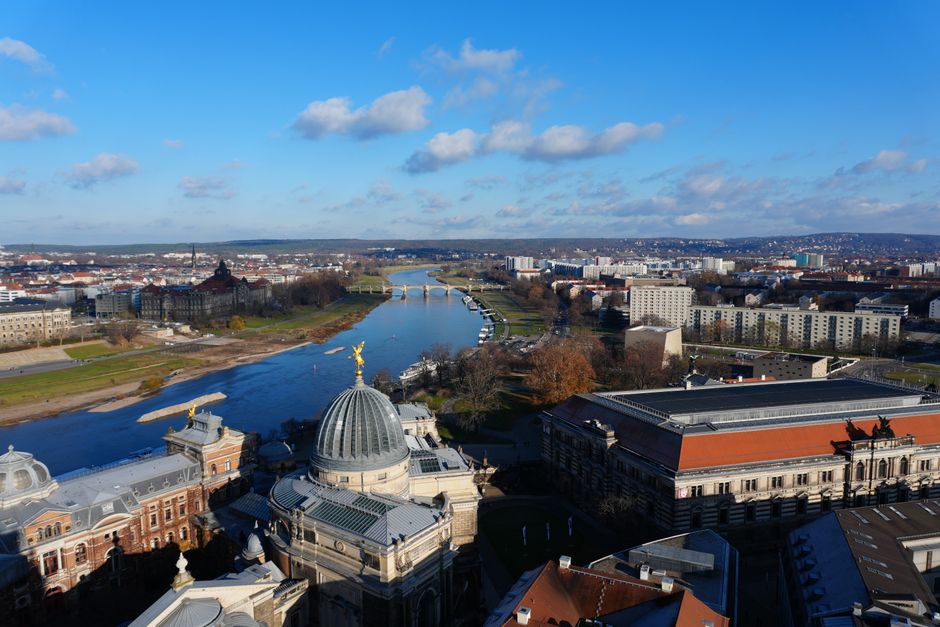
Ascending the grand sandstone staircase flanked by Johannes Schilling’s bronze sculptures of the *Four Times of Day*, you step onto the ramparts of Dresden’s 16th-century fortress. In 1739, Elector Augustus III gifted these military bastions to his powerful prime minister, Count Heinrich von Brühl, who supplanted defensive gun emplacements with opulent private Rococo palaces and landscaped terraces. Following the Napoleonic Wars in 1814, Russian governor Prince Nikolai Repnin-Volkonsky ordered the esplanade opened to the public, prompting Johann Wolfgang von Goethe to coin its enduring moniker: the "Balcony of Europe." Strolling the 500-meter promenade, you are flanked on one side by the monumental neo-Renaissance Academy of Fine Arts—crowned by its distinctive ribbed glass dome, affectionately dubbed the *Zitronenpresse* (lemon squeezer)—and the Renaissance-revival Albertinum. Resting your hands against the riverfront balustrade, you can feel the textured, iron-stained sandstone warm beneath the sun while cool updrafts rise from the Elbe River below. Historic white paddle steamers churn slowly through the water beneath the terrace, while behind you, the golden tolling of bells from the restored Frauenkirche echoes through canopies of manicured linden trees.