Dresden
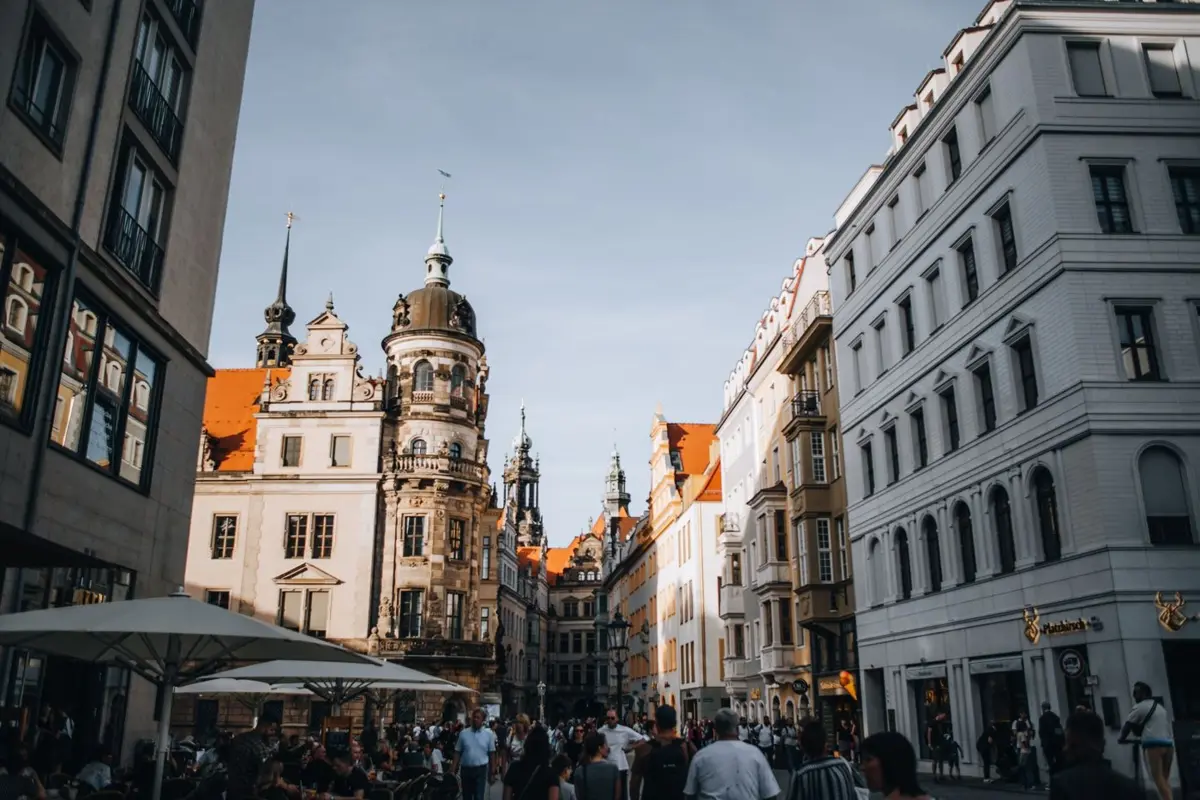
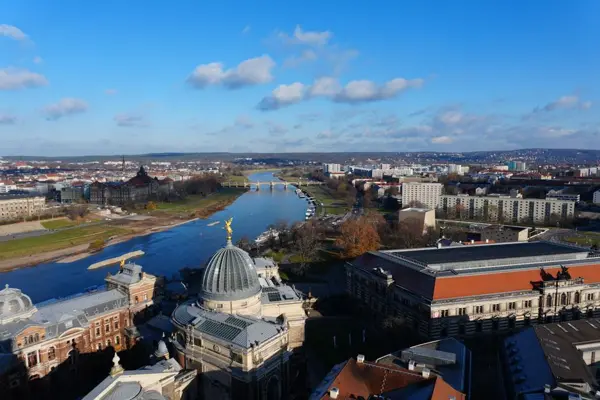
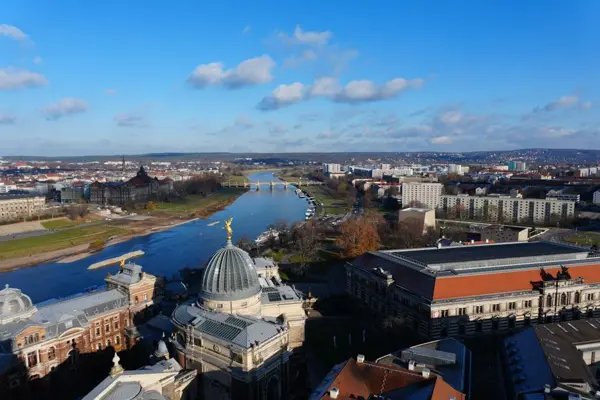
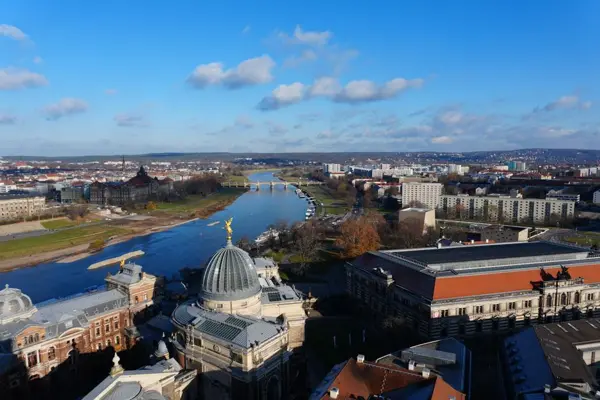
Saxony’s capital sprawls along the broad curve of the Elbe River, framed by gentle wine slopes to the northwest and the sandstone pillars of Saxon Switzerland upriver. Walking the cobblestones of the old town feels like wandering an open-air gallery of dark, weathered sandstone, where monumental baroque terraces drop down to wide river meadows grazed by sheep. Cross the water, and the city mood pivots immediately from grand ducal seat to bohemian ease. Much of Dresden’s grandeur stems from the early eighteenth century, when ruler August the Strong commissioned palaces to rival Versailles, before the Allied firebombing of February 1945 flattened the urban center. The city spent decades meticulously rebuilding, exemplified by the Frauenkirche, whose piebald dome incorporates blackened original stones alongside fresh quarry blocks. Just steps away, the Zwinger palace encloses gardens framed by porcelain bells and ornate galleries, while the Äußere Neustadt across the river pulses with independent bookstores and the tiled courtyards of the Kunsthofpassage. Afternoons call for a slice of Dresdner Eierschecke, a dense three-layer custard cake served in neighborhood cafés. In winter, the city gathers at the Striezelmarkt, a Christmas tradition running since 1434, to share loaves of butter-rich Christstollen. Dresden is compact enough to explore on foot, backed by an efficient tram network. Aim for late spring when daylight lingers over the river, and walk across Brühl’s Terrace at dawn to watch the morning mist clear before the museums open.
Read more