 New added
Reeperbahn
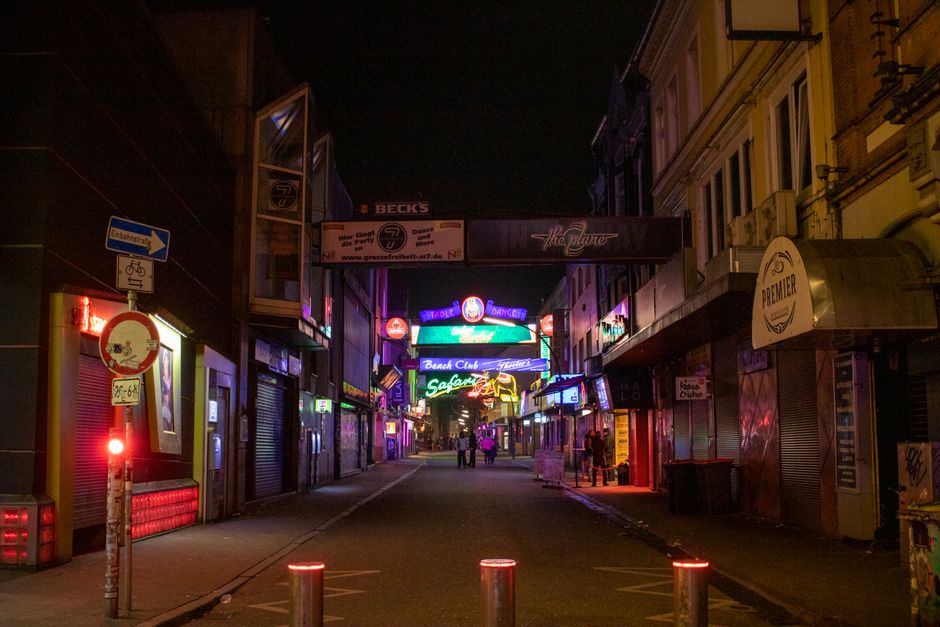
Originating in the early seventeenth century as an open-air ropewalk where *Reepschläger* twisted heavy hemp cordage for merchant sailing ships outside Hamburg’s city gates, the Reeperbahn evolved into Europe’s most notorious maritime entertainment strip. Its architectural anchor is the Davidwache police station, erected in 1914 by Fritz Schumacher, featuring austere dark-clinker brickwork, terracotta wall reliefs, and green copper roofing. Just off the main drag, the infamous Herbertstraße remains screened behind tall wooden privacy barriers installed in 1933. Cultural history echoes loudly through venues like the Indra Club and the site of the former Kaiserkeller, where an unpolished five-piece lineup called The Beatles played grueling nightly sets between 1960 and 1962, forging their signature sound amidst dockside grit. Standing on the broad pavement today, travelers are swept into an intoxicating clash of counterculture and raw harbor revelry. At Beatles-Platz, feet trace circular black granite flagstones grooved to resemble a 45-rpm vinyl record, framed by life-sized metallic wire-frame silhouettes of the musicians glowing beneath pulsing scarlet and cobalt neon. The air smells intensely of cold Elbe river mist, sizzling currywurst, and stale Astra pilsner. Passing from historic burlesque palaces like the Schmidt Theater into subterranean live-music vaults, visitors feel the concussive bass thrumming through pavement stones, surrounded by the dizzying, kinetic chaos of sailors, buskers, and night-owls that has animated St. Pauli for centuries.