Hamburg
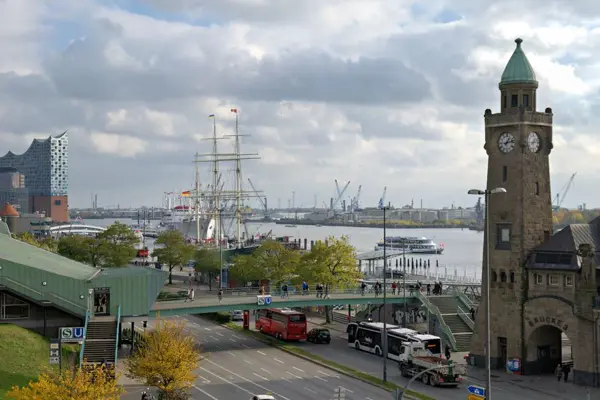
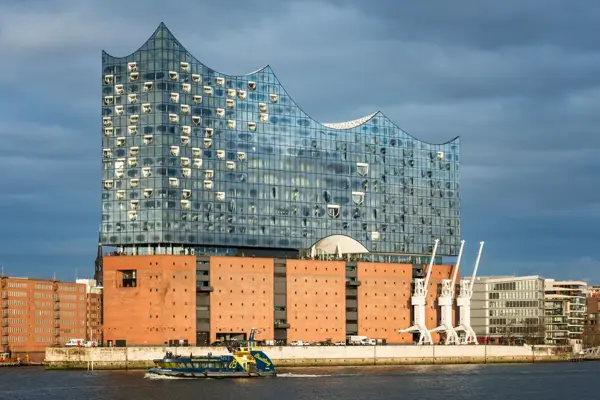
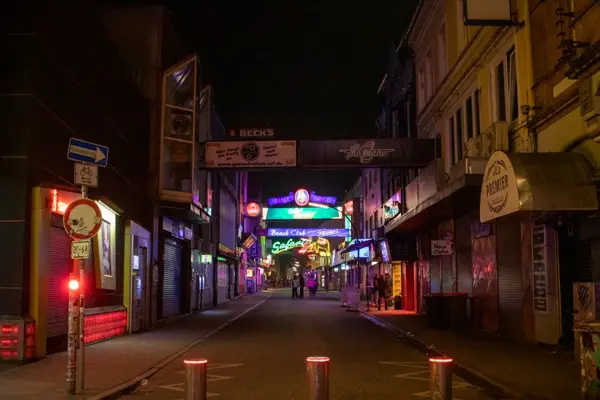
Set in northern Germany where the Elbe River widens toward the North Sea, Hamburg moves to the rhythm of water. Crisscrossed by the Alster streams and dozens of canals, the city holds more bridges than Venice. Walking along the quays, you feel the sharp maritime air, hear ship horns echoing across the tide, and see how dark brick architecture sits comfortably beside sweeping modern glass. Chartered by Emperor Frederick Barbarossa in 1189, Hamburg grew into a titan of the Hanseatic League, rebuilding itself with pragmatic resolve after the Great Fire of 1842. The Speicherstadt, built in the late nineteenth century on thousands of oak piles, features red-brick neo-Gothic warehouses spanning narrow tidal channels. Just downstream rises the Elbphilharmonie, a glass crown set atop a former cocoa depot in the HafenCity district. Inland, the timbered merchant houses of Deichstraße recall seventeenth-century river trade, while the neon corridors of St. Pauli reflect the city’s rough-edged sailor heritage. Local life centers on the water and the bakeries. Mornings often begin with a warm Franzbrötchen, a regional pastry layered with butter and cinnamon, or a walk through the Altona fish market, an auction tradition dating back to 1703. Every May, the city marks the port anniversary, the Hafengeburtstag, drawing hundreds of vessels into the harbor. For travel between districts, bypass commercial boat cruises and board the public HADAG ferry line 62 from Landungsbrücken using a standard transit ticket. Late spring brings extended daylight and pleasant temperatures, making it the most rewarding time to explore.
Read more
What's on in Hamburg
Northern Germany's largest public folk festival features roller coasters, family rides, culinary treats, and festive fireworks every Friday evening.
Official infoEvents are collected automatically from the web. Dates can change, so please check the official information before you travel.