 New added
BMW Museum
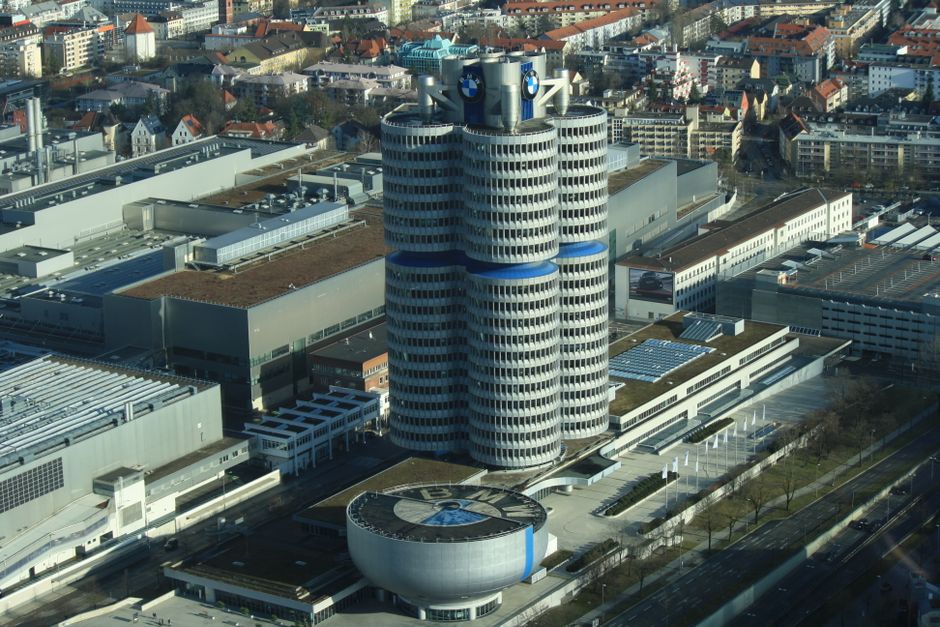
Conceived alongside Munich’s 1972 Summer Olympic grounds and officially opened in 1973, this monument to Bavarian engineering was designed by Viennese architect Karl Schwanzer as a radical counterpoint to traditional museum architecture. Dominated externally by the *Museumsschüssel* (Museum Bowl)—a windowless, silver-painted concrete monolith that flares upward from a slender circular base—the structure embodies late mid-century modernism and space-age futurism. Crowning the 40-meter-wide roof is a colossal, skyward-facing rendering of the blue-and-white Bavarian roundel, standing in the shadow of Schwanzer’s neighboring cloverleaf-shaped "Four-Cylinder" corporate headquarters. Stepping inside, visitors enter a low-lit, subterranean atrium and ascend via a spiraling, cantilevered ramp system reminiscent of the Guggenheim. The path winds through seven permanent exhibition pavilions, revealing historic treasures spanning BMW’s origins: roaring early 20th-century aero-engines, pre-war aluminum 328 roadsters, and the beloved micro-sized Isetta bubble car. The sensory pinnacle is the kinetic sculpture room, where 714 chrome spheres suspend from individual motorized ceiling wires, dancing in hypnotic, computer-controlled waves before briefly coalescing into the aerodynamic silhouette of an automobile. The air carries a subtle metallic coolness, underscored by sleek dark surfaces that make every polished curve of vintage steel and lacquered chassis gleam with industrial perfection.