 New added
Berlin Wall
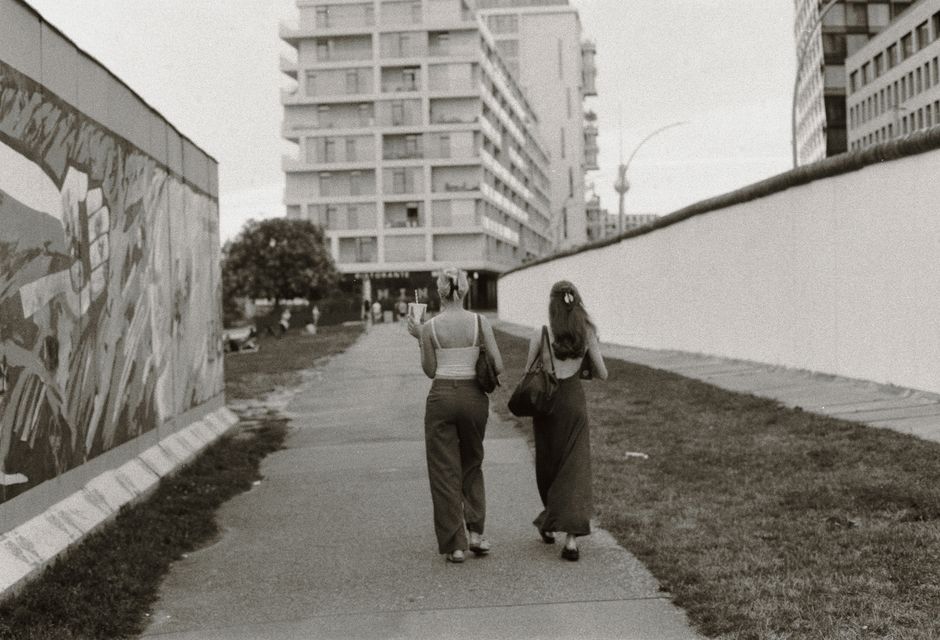
Erected overnight on August 13, 1961, by Walter Ulbricht’s East German regime, the barrier hardened the ideological divide of the Cold War into 155 kilometers of reinforced concrete. Today, its most evocative remnants showcase the physical evolution of the border, culminating in the fourth-generation *Grenzmauer 75*—monolithic 3.6-meter-high slabs capped with smooth drainage piping engineered to deny escapees a handhold. At the Bernauer Straße memorial, travelers encounter a preserved cross-section of the fortified death strip, where an imposing guard tower overlooks patrol tracks, electrified tripwires, and rusted steel poles marking the void left by dynamited fortifications. Along the 1.3-kilometer stretch of the East Side Gallery beside the River Spree, the barrier transforms from an instrument of terror into the world’s longest open-air canvas. Visitors run their fingers across concrete surfaces pitted by *Mauerspechte* (wall peckers) before taking in murals born from the euphoric aftermath of November 9, 1989—most famously Dmitri Vrubel’s depiction of the socialist fraternal kiss between Leonid Brezhnev and Erich Honecker. Standing in the wall's shadow delivers a stark sensory jolt: the chilled memory of Europe's divided century gives way to vibrant splashes of defiance, while double rows of granite cobblestones embedded in the adjacent asphalt quietly trace the scar across modern Berlin.