 New added
La Canebière
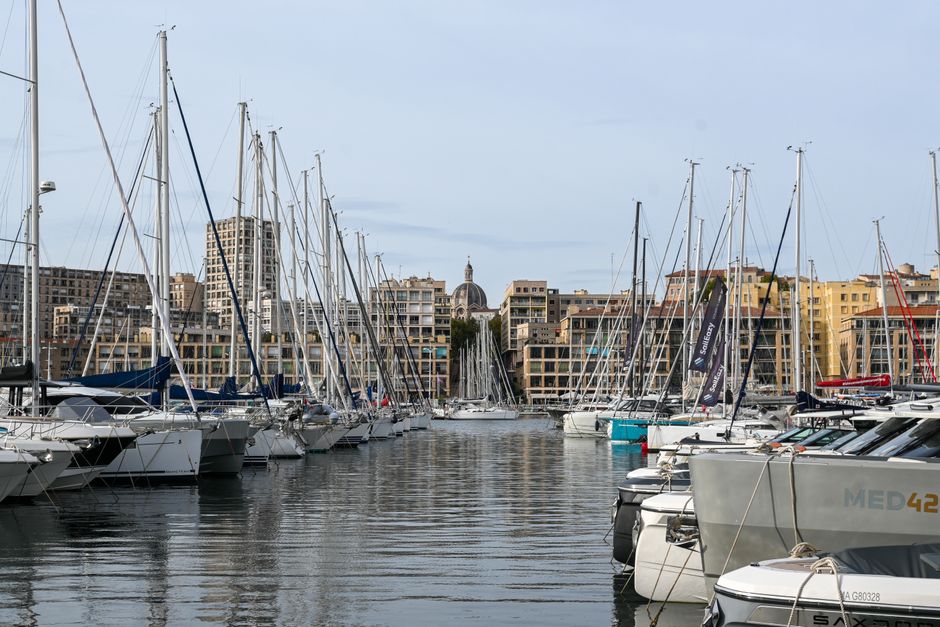
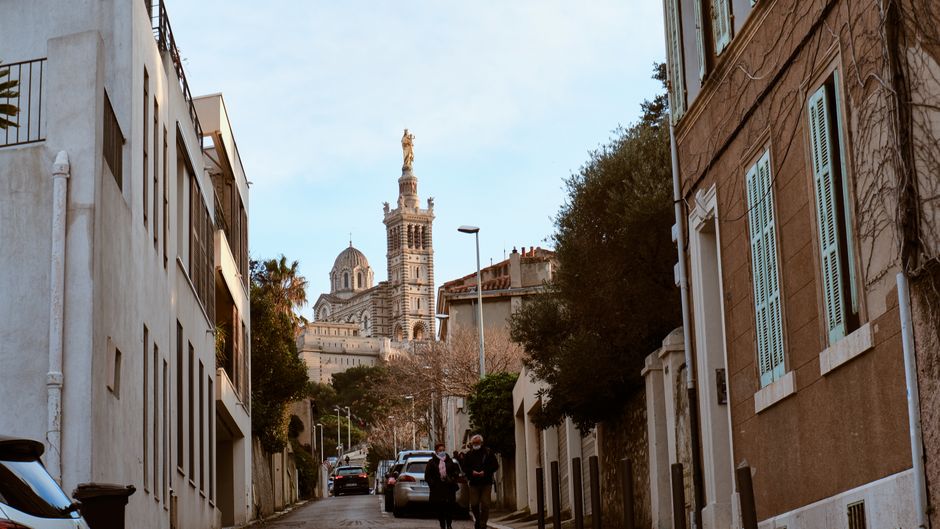
Carved out in 1666 during Louis XIV’s eastward expansion of Marseille, this kilometer-long thoroughfare derives its name from the Provençal *canebe* (hemp), commemorating the ropewalks that once rigged galleons bound for the Levant. By the late 19th century, the avenue had evolved into France’s imperial gateway to the Mediterranean, crowned with grandiose Second Empire and Haussmannian limestone facades boasting intricate wrought-iron balconies. It also witnessed dramatic twentieth-century geopolitics: near the Palais de la Bourse—an imposing neoclassical monument defined by colossal Corinthian fluted columns—a Croatian nationalist assassinated King Alexander I of Yugoslavia and French Foreign Minister Louis Barthou on October 9, 1934. Today, standing at the boulevard's eastern crest beneath the 70-meter neo-Gothic twin spires of the Église Saint-Vincent-de-Paul, travelers gaze down a vast urban canyon sloping directly toward the azure waters of the Vieux-Port. Walking the wide stone sidewalks, you encounter a restless intersection of eras. Sleek modern trams glide past the faded grandeur of former luxury hotels, while the briny sea air blends with aromas of cumin, mint, and cardamom drifting from the neighboring market alleys of Noailles. The experience is tactile and kinetic: the sharp glare of southern sunlight reflecting off pale stone, the clamor of outdoor terrace chatter, and the irresistible visual pull toward the mast-filled harbor ahead.