 New added
Calanques National Park
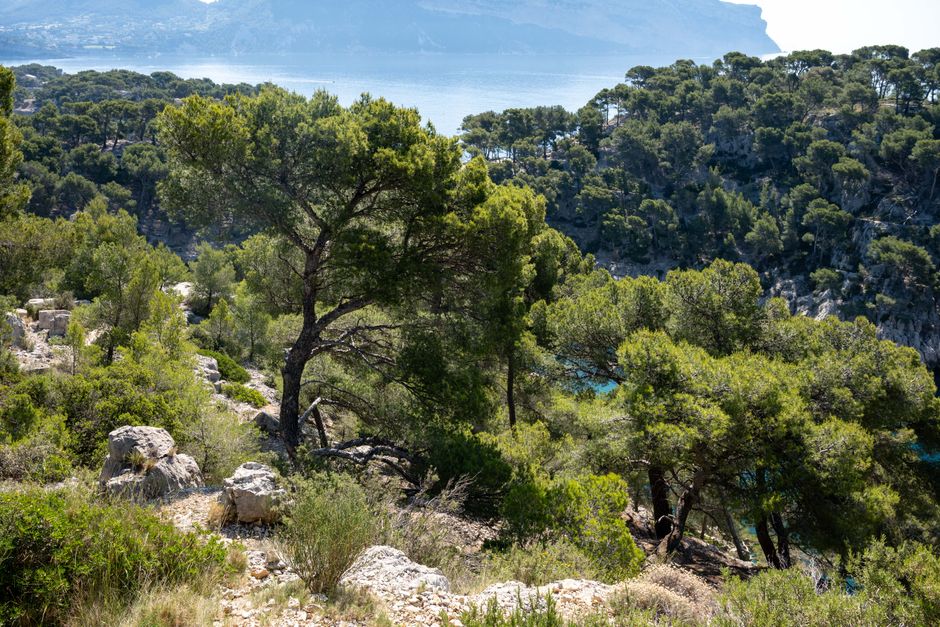
Carved into the southern rim of Marseille, the Calanques preserve a dramatic geological collision formed from blinding-white Urgonian limestone over 120 million years ago. This formidable terrain harbors deep antiquity: inside the submerged Cosquer Cave—discovered by deep-sea diver Henri Cosquer in 1985—Upper Paleolithic hand stencils and paintings of seals and auks survive below sea level. In later centuries, the rugged inlets served as defensive outposts and industrial quarries; stone cut from Calanque de Port-Miou was shipped across the globe to build the quays of the Suez Canal. Recognizing the fragile balance between urban sprawl and rare coastal biodiversity, France officially established this 520-square-kilometer marine and terrestrial reserve in 2012. Standing high above Calanque d'En-Vau, travelers encounter dizzying verticality where sheer 150-meter cliffs plunge straight into fjord-like corridors of luminous turquoise water. The air carries the sharp, resinous perfume of gnarled Aleppo pines and sunbaked wild rosemary clinging to bare rock, set against the rhythmic pulse of summer cicadas. Traversing the sun-bleached scree paths, hikers scramble down narrow ravines to reach secluded shingle beaches, trading the dry heat of the chalky scrubland for the shock of crystalline, spring-fed Mediterranean waters sheltered beneath the immense shadow of Cap Canaille's rust-red sea cliffs.