 New added
Fitzwilliam Museum
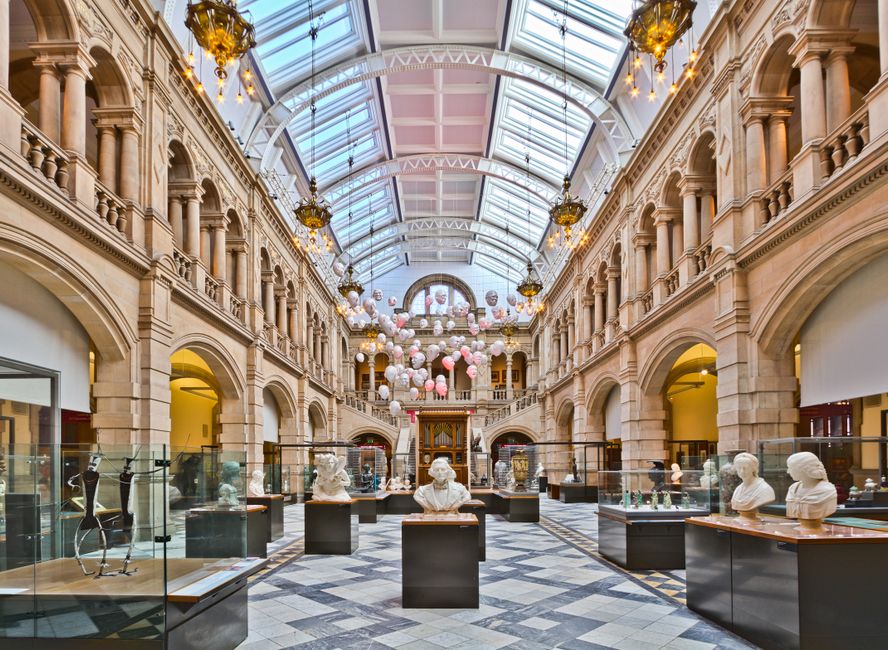
Rising above Trumpington Street behind a flank of monumental stone lions, the Fitzwilliam Museum commands attention with one of Britain’s most imperious Neoclassical facades. Conceived in 1816 through the bequest of Richard, 7th Viscount Fitzwilliam—who gifted his vast art collection and £100,000 to the University of Cambridge—the monument was designed by George Basevi and completed under Charles Robert Cockerell. Ascending the exterior steps beneath an imposing Corinthian portico, visitors step into Edward Middleton Barry’s palatial entrance hall, an opulent expanse of polychrome marble balustrades, gilded rosettes, and domed skylights that pulls the gaze upward in immediate awe. Beyond the grand staircase, the hush of polished parquet floors guides visitors through more than thirty galleries spanning four millennia of world culture. The journey moves from the shadow of the monumental red-granite sarcophagus lid of Ramesses III in the Egyptian antiquities wing to the sunlit upper chambers hung with masterpieces by Titian, Domenico Veneziano, and Veronese. Walking these interconnected halls, travelers encounter rare illuminated medieval manuscripts alongside delicate English porcelain and Impressionist strokes by Monet and Degas, absorbing the intellectual ambition and sensory splendor of an empire’s greatest scholarly collection.