 New added
Albert Dock
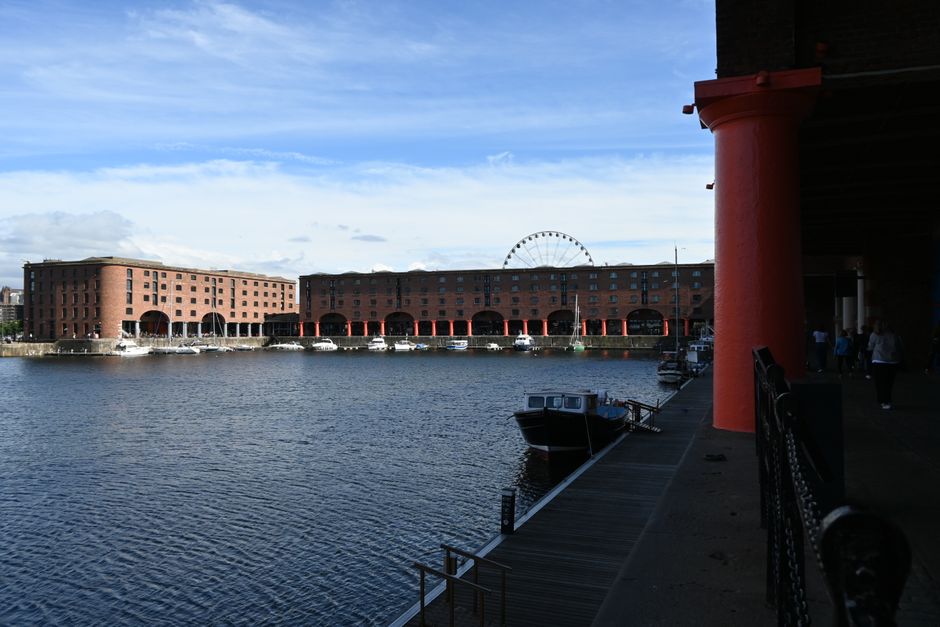
Engineered by dock surveyor Jesse Hartley and opened by Prince Albert in 1846, Liverpool’s Royal Albert Dock revolutionized global maritime trade with its unprecedented fireproof design. Eschewing structural timber, Hartley constructed a fortress of Cornish granite, cast iron, and over twenty million hand-pressed red bricks to secure high-value imports like cotton, brandy, and tobacco. Today, this monumental industrial landmark stands as the largest single collection of Grade I-listed buildings in Britain, anchored by an enclosed seven-acre water basin framed by monumental, five-story bonded warehouses. Walking the perimeter, you step onto worn cobblestones beneath monumental, hollow Doric columns painted a vivid industrial vermilion. The briny wind off the Mersey Estuary carries the rhythmic slap of deep tidal water against stone quays, where restored hydraulic cranes and cast-iron capstans remain frozen in place. Under the low, vaulted brick colonnades—which now shelter the Tate Liverpool and maritime exhibits—footsteps echo against the masonry, drawing you past historic wooden tall ships moored in the basin toward panoramic vistas where Victorian industrial muscle reflects cleanly across the dark, sheltered water.