Liverpool
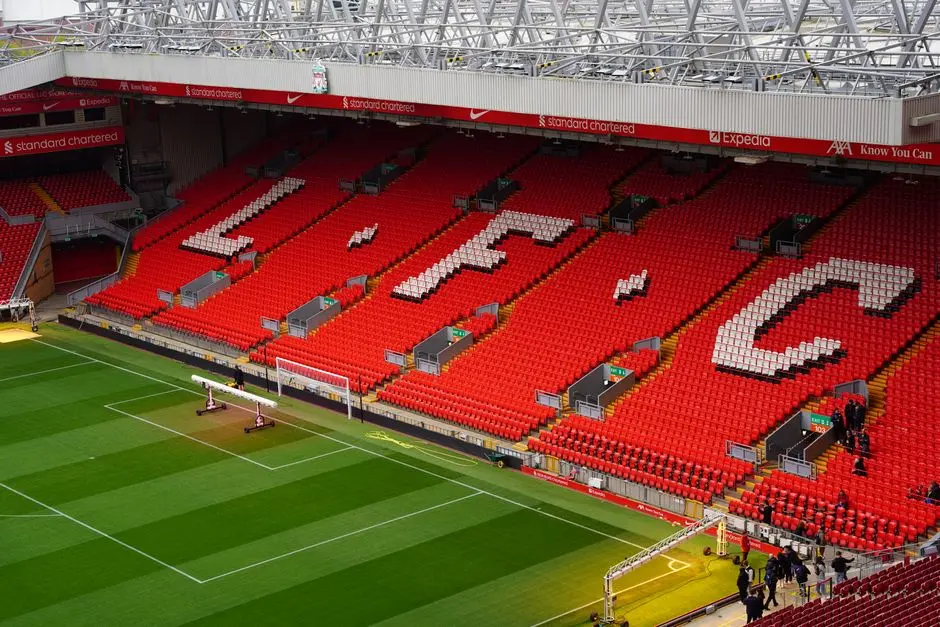
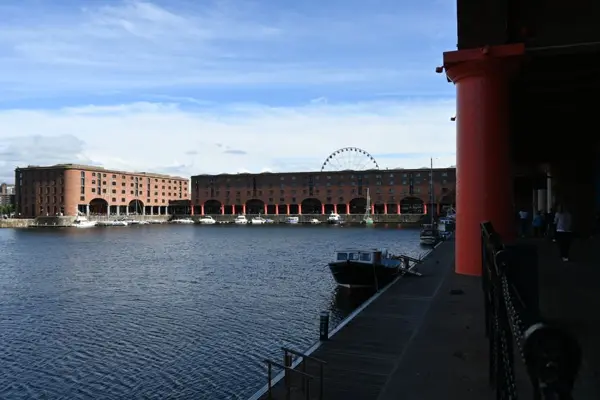
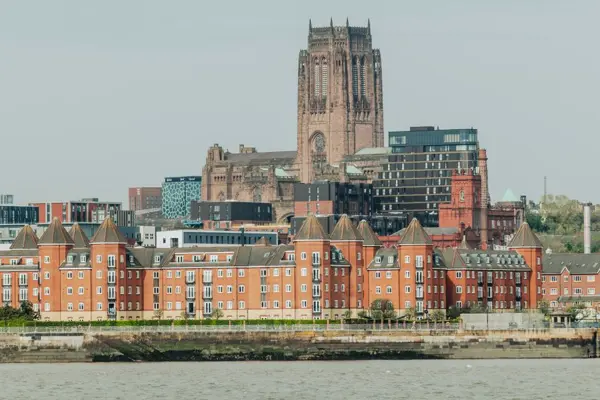
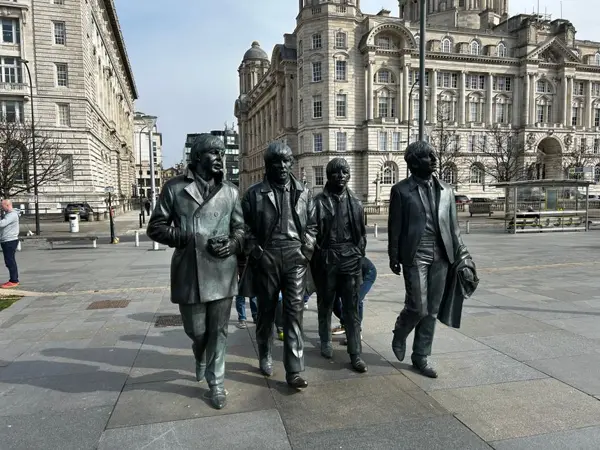
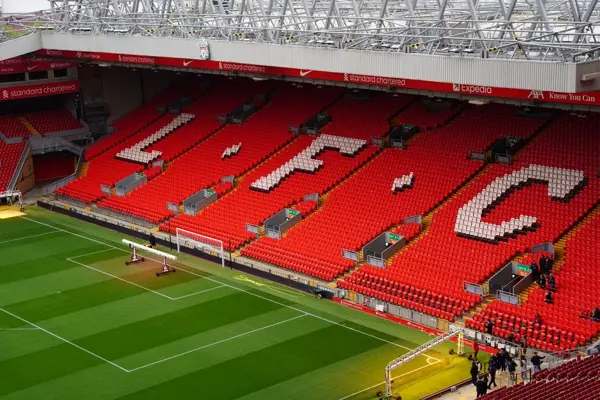
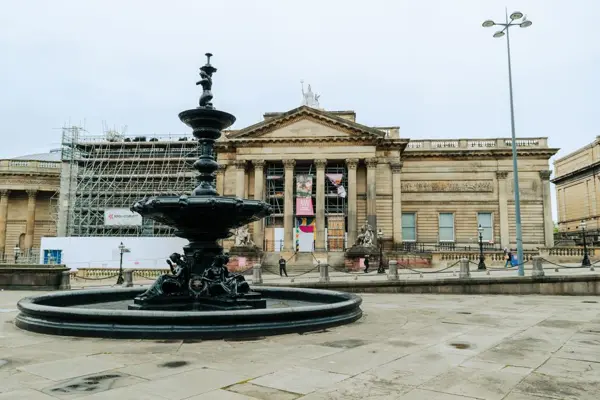
Perched on the eastern bank of the River Mersey as it widens toward the Irish Sea, Liverpool carries the brisk salt air and restless energy of a great Atlantic port. Walking inland from the water, the city reveals striking shifts in scale, moving quickly from colossal dock basins and neoclassical stone halls to compact lanes lined with red-brick taverns. The streetscape is animated and warm, shaped by the quick cadence of the local accent, the cry of gulls, and impromptu music floating out of basement doorways. Granted its royal charter by King John in 1207, Liverpool expanded rapidly during the eighteenth and nineteenth centuries as a nexus of global trade. Down at the waterfront, the Royal Albert Dock preserves this mercantile heyday with its 1846 cast-iron colonnades and brick warehouses, now repurposed into galleries and cafes. Further uphill lies the Georgian Quarter, where cobbles and black-iron railings flank leafy avenues framed between two strikingly different cathedrals, including Sir Giles Gilbert Scott’s towering red-sandstone Anglican masterpiece. Downstream, the waterfront Pier Head showcases the Edwardian Three Graces, topped by the mythical liver birds that have watched over mariners since 1911. Local living is anchored by deep loyalties and hearty fare. Residents gather over bowls of scouse, a slow-simmered lamb or beef stew with root vegetables, or browse the food stalls packed into the Baltic Market inside a former Victorian brewery. Weekends revolve around the fervent rivalry of its two football clubs, packing corner pubs hours before kickoff. The compact city center is easily navigated on foot, though late spring offers the mildest maritime breezes for exploring the quays.
Read more