 New added
Holyrood Palace
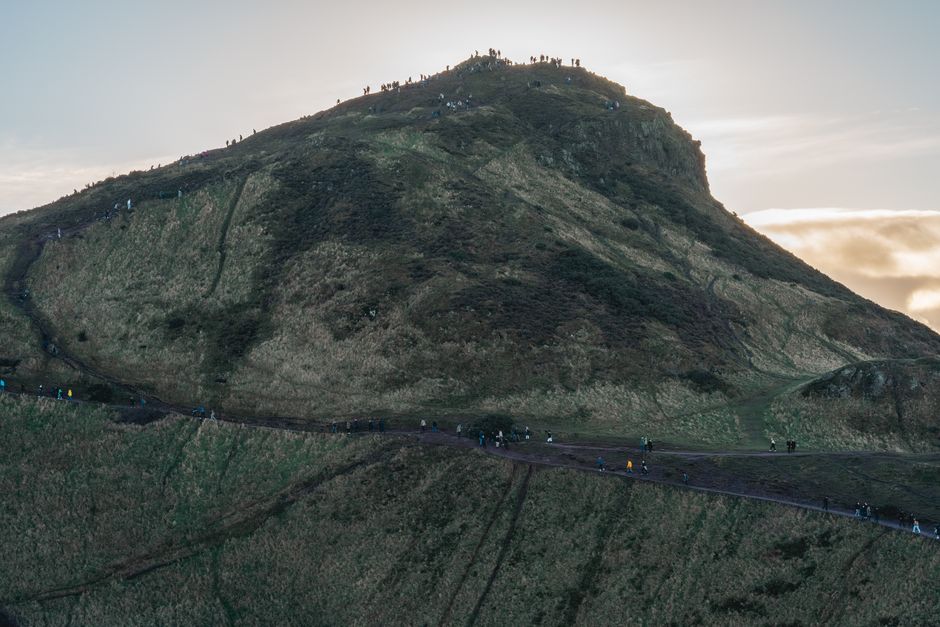
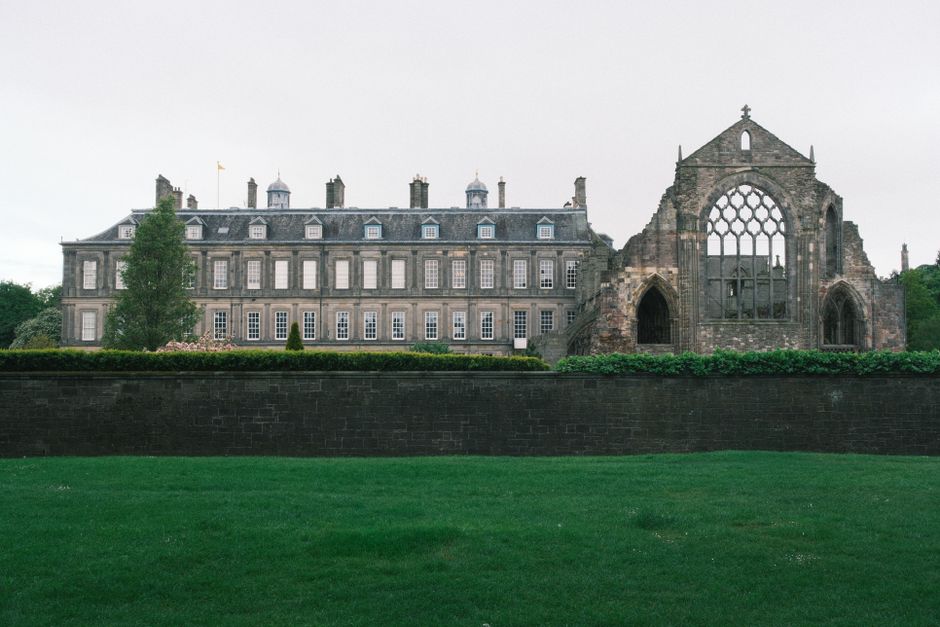
Anchoring the eastern terminus of Edinburgh’s Royal Mile beneath the volcanic crags of Arthur’s Seat, the Palace of Holyroodhouse balances Renaissance intrigue with Charles II’s classical Baroque ambitions. Rebuilt in the 1670s by architect Sir William Bruce around a disciplined, colonnaded quadrangle, the palace retains the stout, sixteenth-century northwest tower commissioned by James V. Within these stone-vaulted chambers, visitors trace the turbulent reign of Mary, Queen of Scots, stepping into the cramped bedchamber and supper room where her private secretary, David Rizzio, was brutally assassinated in 1566. Nearby, the visual scale shifts dramatically inside the Great Gallery, where 110 royal portraits by Jacob de Wet line the walls and Bonnie Prince Charlie once held court during the 1745 Jacobite rising. Crossing the threshold between gilded State Apartments—thick with the scent of aged floor wax and framed by seventeenth-century Brussels tapestries—travelers emerge into the melancholic beauty of Holyrood Abbey. Founded in 1128 by King David I, the ruined Augustinian nave stands roofless, its skeletal Gothic arcades and weathered Romanesque carvings framing dramatic vistas of the craggy skyline. Walking the four hectares of manicured palace gardens beside these crumbling buttresses, visitors feel the palpable juxtaposition of regal pageantry and Scotland's violent, windswept history etched into centuries-old stone.