 New added
Arthur's Seat
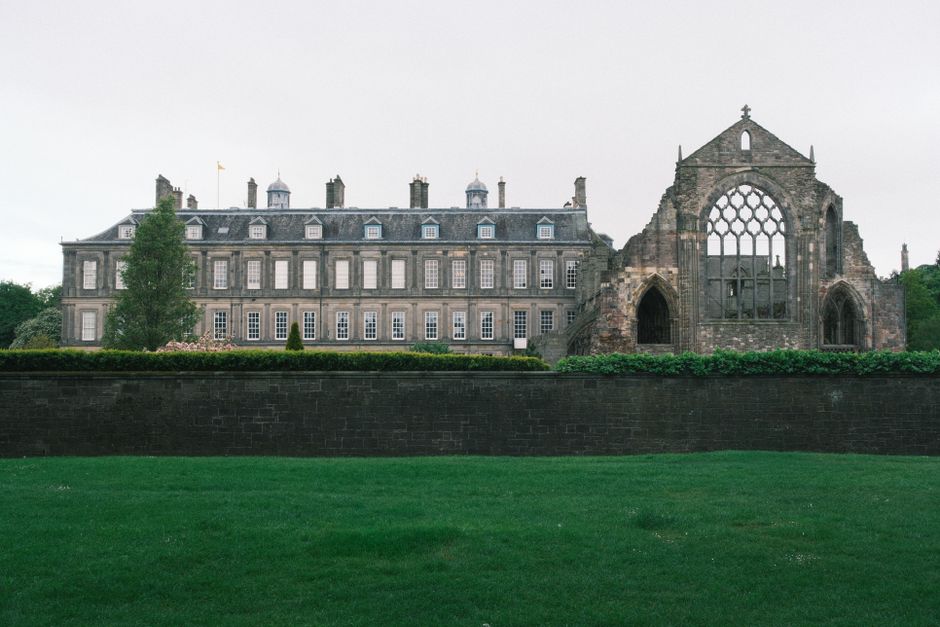
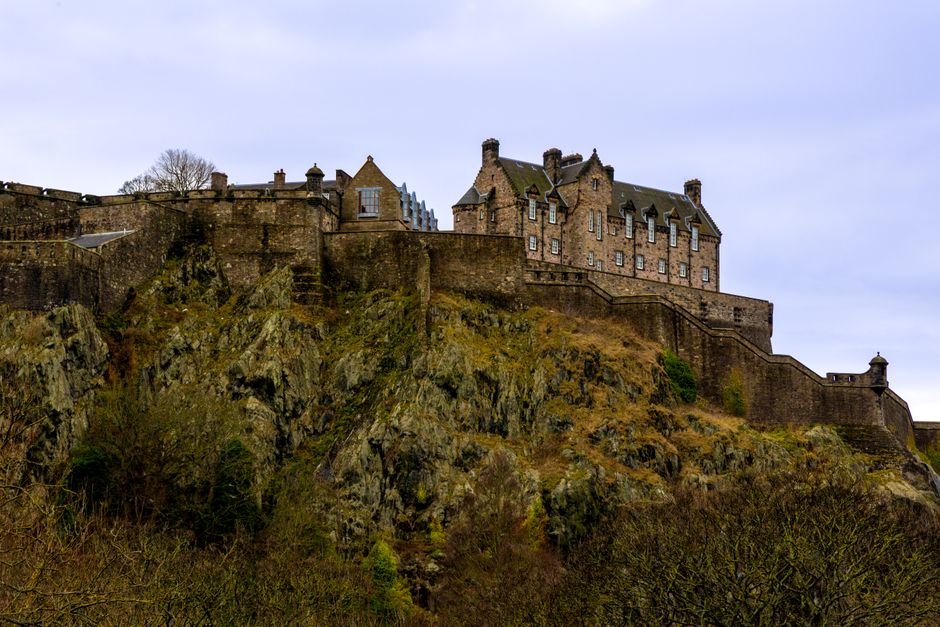
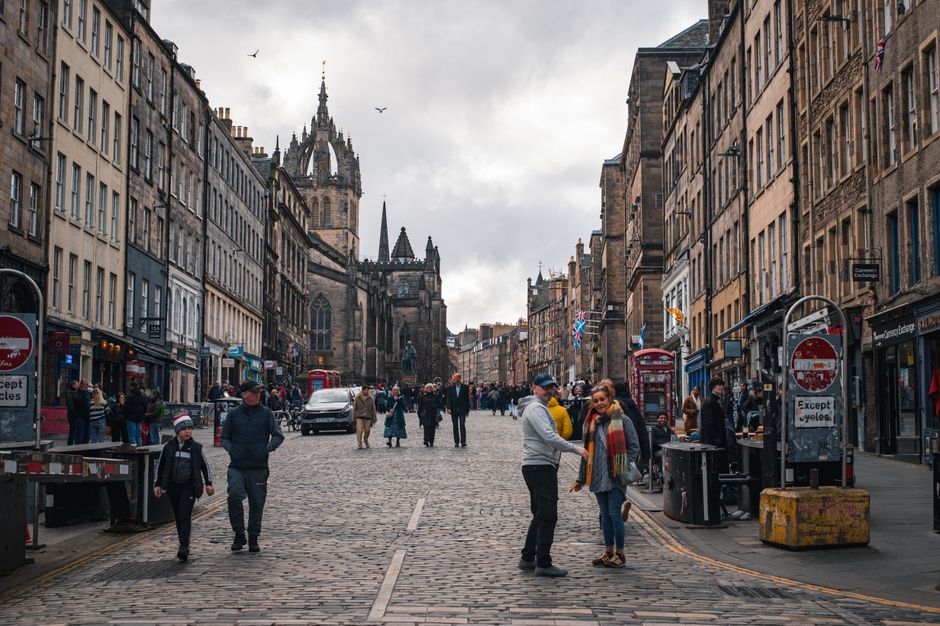
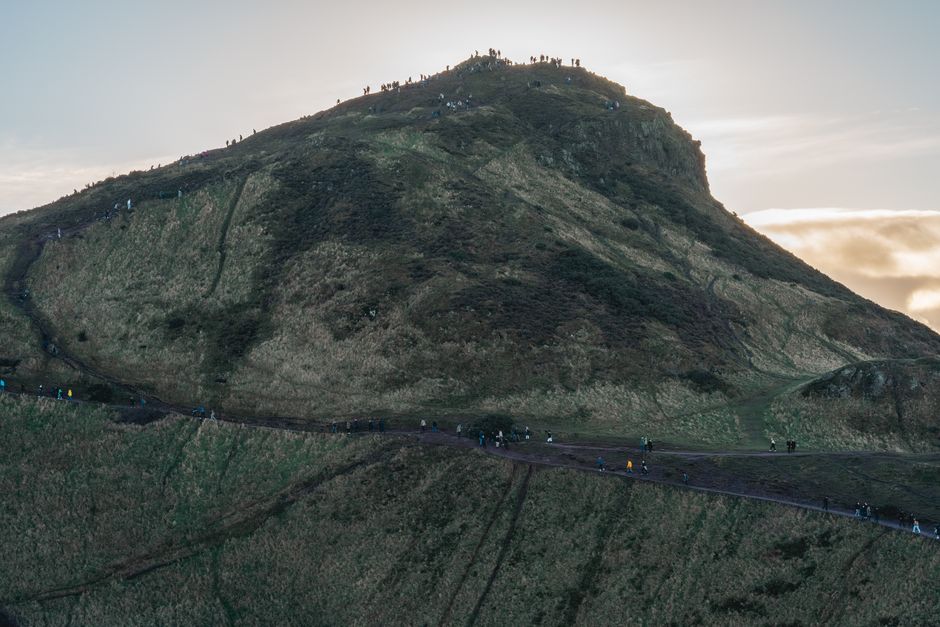
Rising 251 meters above Edinburgh, this eroded Carboniferous volcano formed 340 million years ago and anchors Celtic folklore alongside foundational scientific breakthroughs. Along the rust-streaked dolerite precipices of Salisbury Crags, Enlightenment pioneer James Hutton discovered molten rock intruding into sedimentary strata in 1785, forever disproving biblical chronologies and establishing modern geology. Centuries earlier, medieval monarchs hunted red deer across these slopes, while pilgrims sought solace at the austere, 15th-century vaulted ruin of St Anthony’s Chapel perched above St Margaret’s Loch. The hill also shelters enduring gothic mysteries: in 1836, local boys unearthed seventeen miniature wooden coffins hidden in a rocky alcove, each containing an intricately dressed effigy linked by historians to the infamous Burke and Hare murders. Climbing Arthur's Seat begins among the hexagonal basalt colonnades of Samson’s Ribs and sweeps through hillside valleys ablaze with coconut-scented yellow gorse. As the grass yields to the rocky scrambles of the Lion’s Head, paths of purplish-red volcanic porphyry become polished slick underfoot. Reaching the wind-whipped apex beside the white concrete triangulation pillar, hikers confront relentless North Sea gales and an unrivaled 360-degree theater of Scotland: the fortress ramparts of Edinburgh Castle and the medieval spine of the Royal Mile sprawl west, the gilded turrets of the Palace of Holyroodhouse sit dwarfed below, and the silver expanse of the Firth of Forth stretches outward toward the distant hills of Fife.