
 New added
1 / 2
Roman Ruins
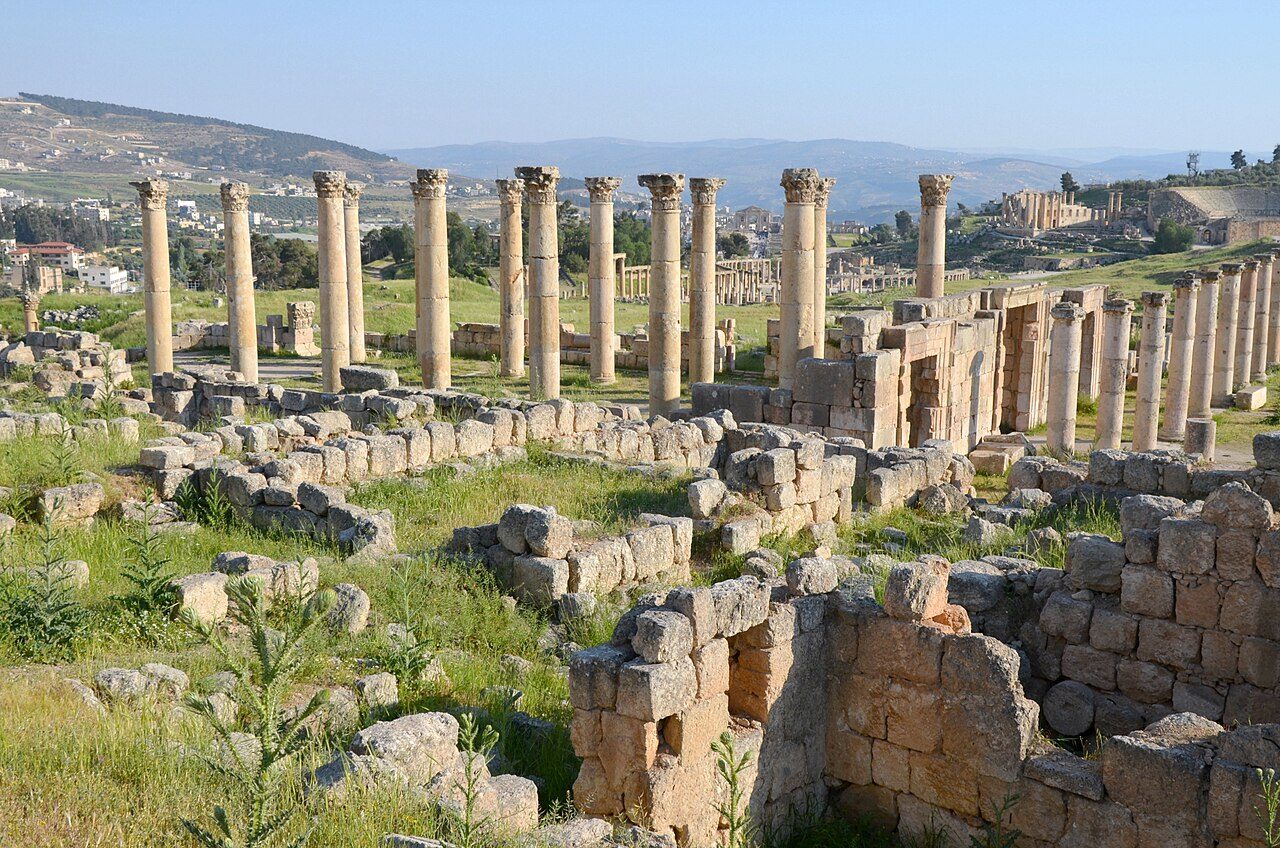
Step beneath the monumental triple-bayed Arch of Hadrian, erected in 129 CE to welcome the visiting emperor, and enter ancient Gerasa—one of the Decapolis league’s grandest Roman outposts. Paved in honey-hued limestone, the city centers on the vast, asymmetric Oval Plaza, framed by fifty-six surviving Ionic columns that seamlessly link civic space to the sanctuary of Zeus. Stretching northward lies the 800-meter *Cardo Maximus*, where the original Roman flagstones remain etched with the deep ruts of iron-rimmed chariot wheels, bordered by towering colonnades and underlaid by functioning Roman sewer grates that speak to the empire’s peak urban engineering. Climbing above the thoroughfare, travelers reach the colossal Temple of Artemis, where twelve-meter Corinthian pillars still sway imperceptibly in the desert breeze—an intentional architectural defense against seismic tremors. Within the steeply raked, 3,000-seat South Theater, visitors can stand atop thirty curved tiers of stone and test the pinpoint acoustics: a coin dropped or a quiet word spoken on the orchestra floor echoes clearly to the highest row. As afternoon light deepens the stone to amber and the scent of wild thyme drifts from the surrounding Gilead hills, the ruins cast off museum stillness, immersing travelers in the living pulse of a thriving Greco-Roman frontier.
More in Jerash
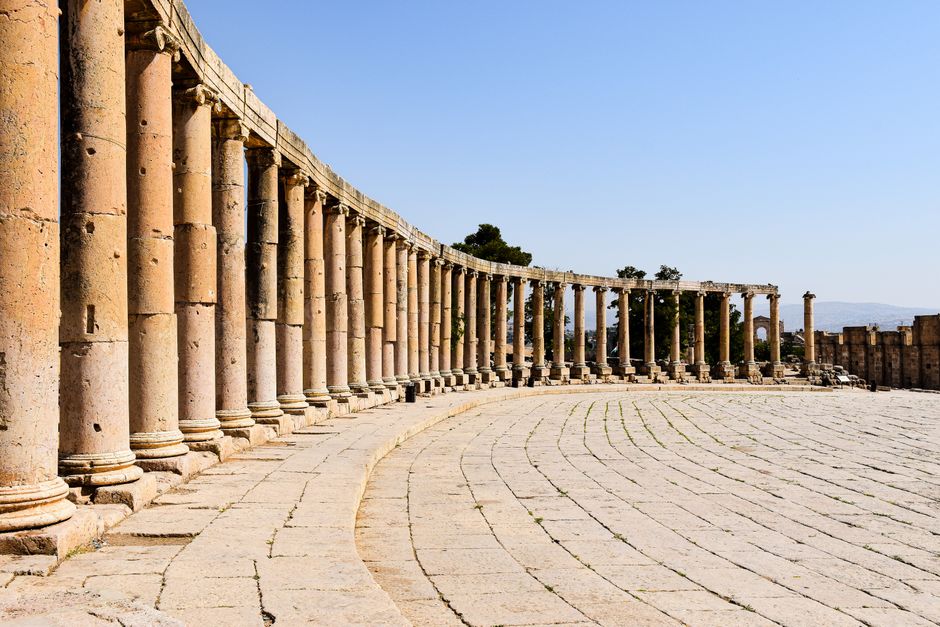
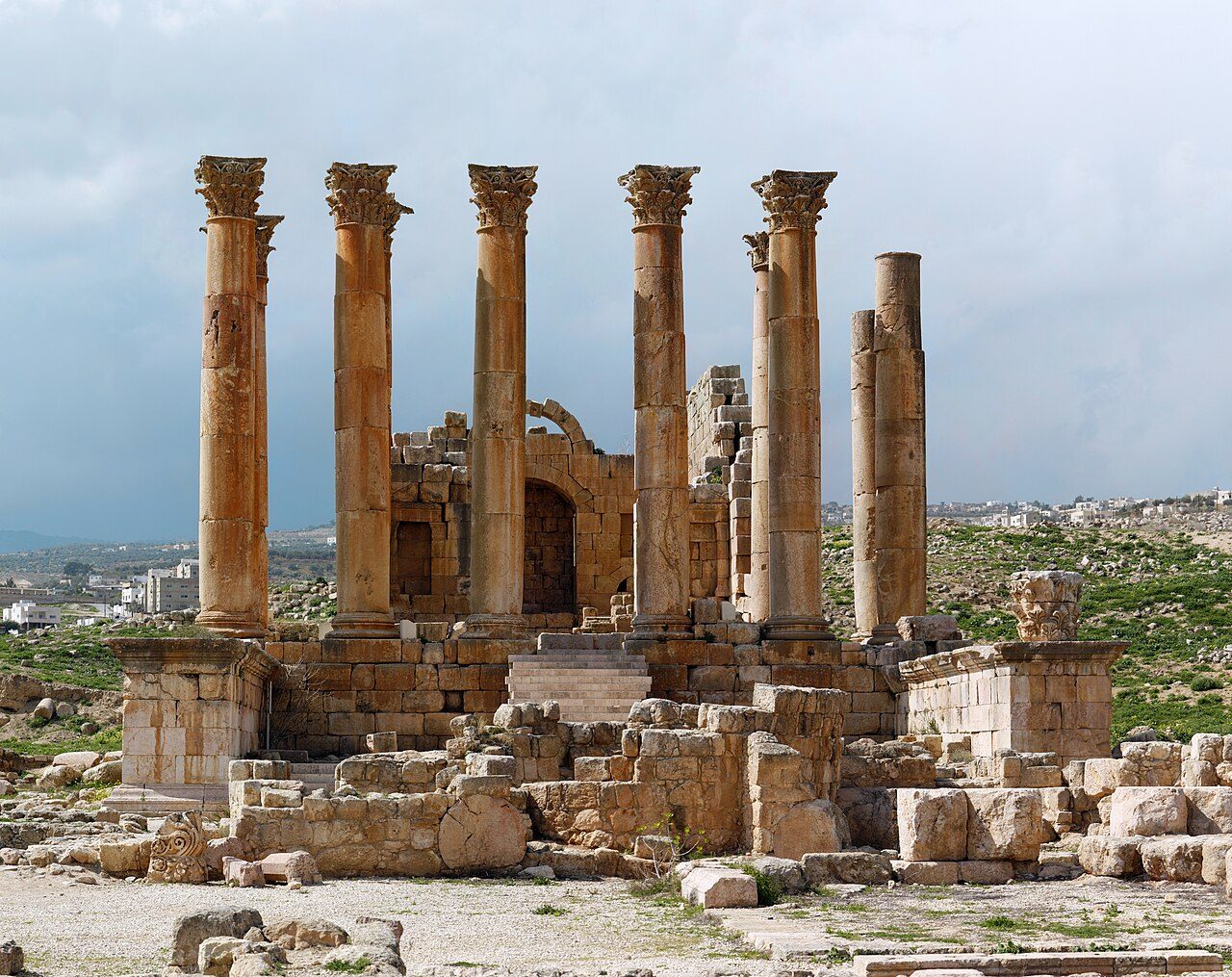
Photo credits (2)
- Carole Raddato from Frankfurt, Germany, CC BY-SA 2.0, via Wikimedia Commons
- Askii, CC BY 3.0, via Wikimedia Commons