Cerro Santa Lucia
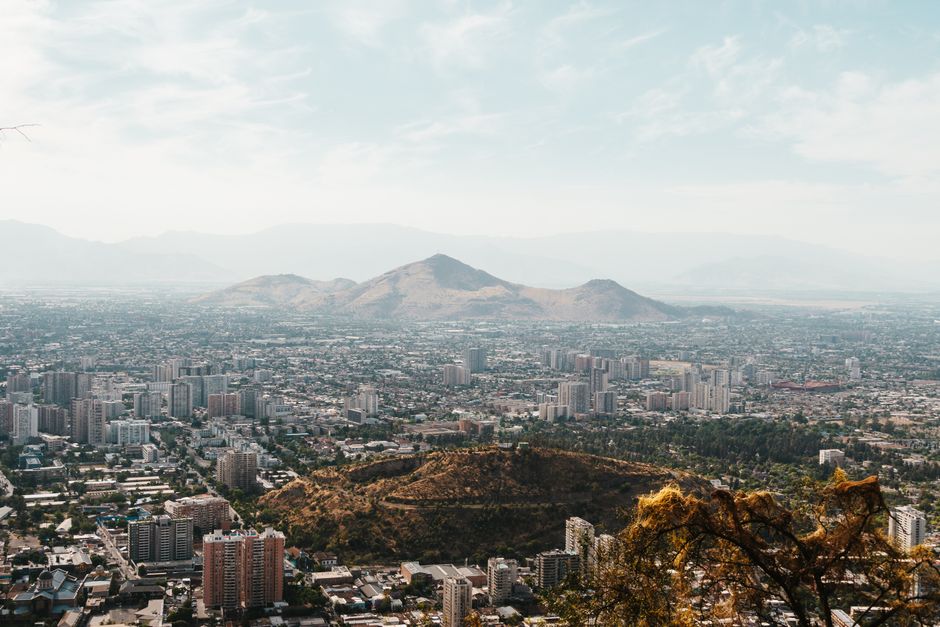
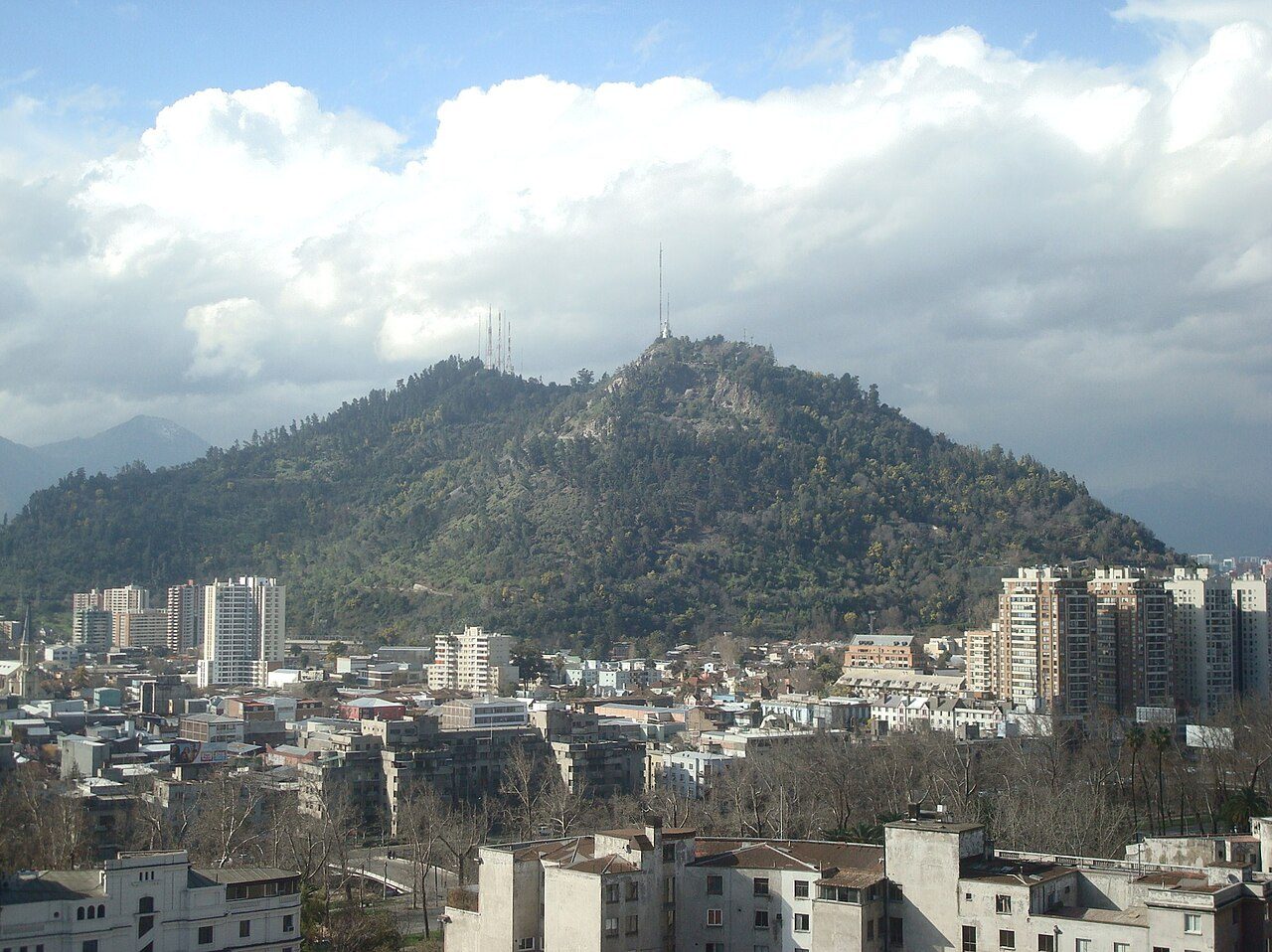
Rising 69 meters above the urban grid, this 15-million-year-old basaltic plug was known to the native Mapuche as *Huelén* before Spanish conquistador Pedro de Valdivia officially founded Santiago on its rocky crest on February 12, 1541. Between 1872 and 1874, Mayor Benjamín Vicuña Mackenna orchestrated a dramatic Neoclassical and Romantic transformation, converting the arid defensive hill into an elaborate hanging garden. At the southern foot of the park, the Monumental Entrance opens with the grand *Fuente de Neptuno*, an ornate, curving fountain framed by Corinthian columns and maritime deities, while above it sits Castillo Hidalgo, an 1816 royalist bastion turned ceremonial redoubt. Climbing through the labyrinth of Cerro Santa Lucia offers an immediate sensory departure from the concrete roar of the Alameda below. Travelers navigate tight, spiraling stone stairs flanked by ochre-washed battlements, hidden grottos, and wrought-iron balustrades enveloped by flowering bougainvillea and native palms. Passing the Terraza Caupolicán—marked by a bronze monument commemorating the 16th-century Mapuche war chief—the path narrows toward the windswept northern mirador. Standing upon this high stone turret, visitors feel the cooling Andean drafts cut through the city heat, greeted by an uninterrupted 360-degree panorama framing Santiago’s glass skyscrapers against the towering, snow-veined peaks of the cordillera.