Cerro San Cristobal
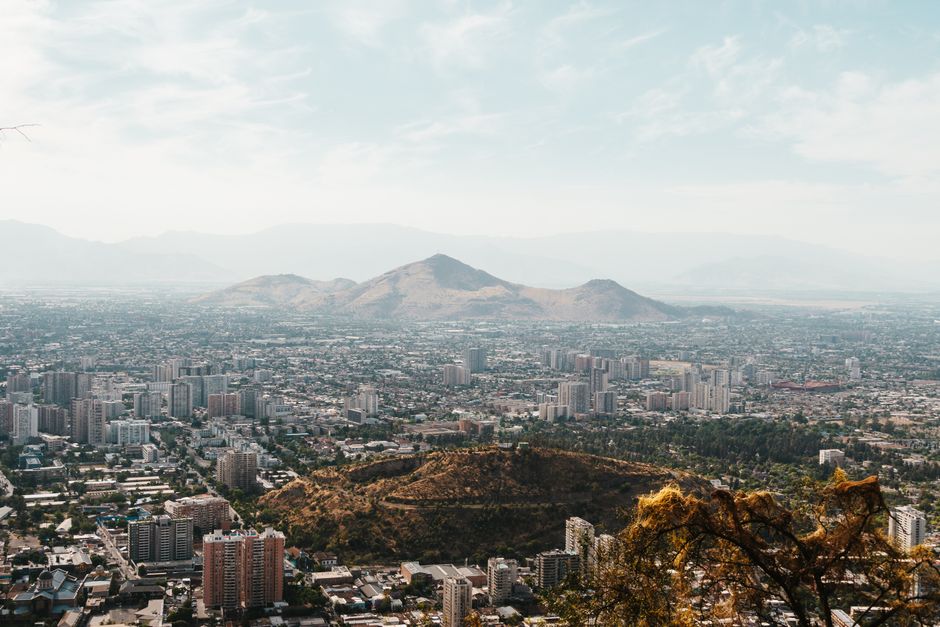
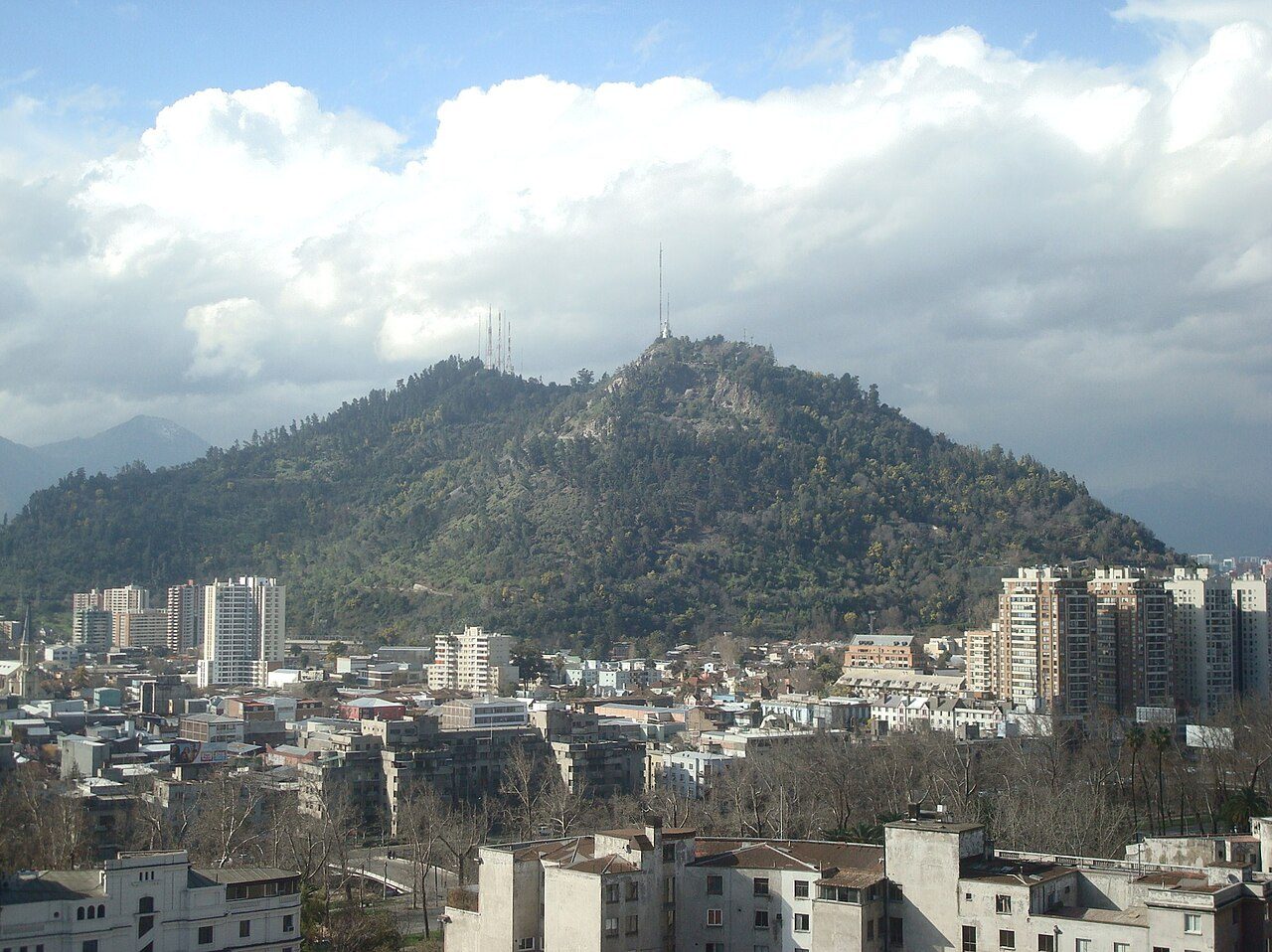
Originally christened Tupahue by the indigenous Picunche before Pedro de Valdivia renamed it in 1541, this 860-meter rocky spur transformed from a barren stone quarry into Chile’s premier urban park in the early twentieth century. Dominating the summit is the blindingly white, 14-meter-tall cast-iron statue of the Virgin of the Immaculate Conception, cast in Paris and consecrated in 1908. Resting upon a massive granite pedestal containing a petite, frescoed chapel, the monument oversees a stone-stepped amphitheater where Pope John Paul II famously delivered a mass of reconciliation in 1987 during the twilight of the Pinochet dictatorship. Ascending via the 1925 heritage funicular—a steep, cable-drawn railway cutting through terraces of native quillay and fragrant eucalyptus—delivers an immediate sensory shift from the downtown bustle. At the wind-swept observation terraces, the entire Santiago basin unfurls below, split by the winding Mapocho River and framed dramatically by the jagged, snow-capped wall of the Andes. Travelers lean against stone balustrades, sipping chilled glasses of mote con huesillo—sun-dried peaches and husked wheat steeped in spiced syrup—while church bells resonate across the ridge against the distant hum of the metropolis.