
Mausoleum at Halicarnassus
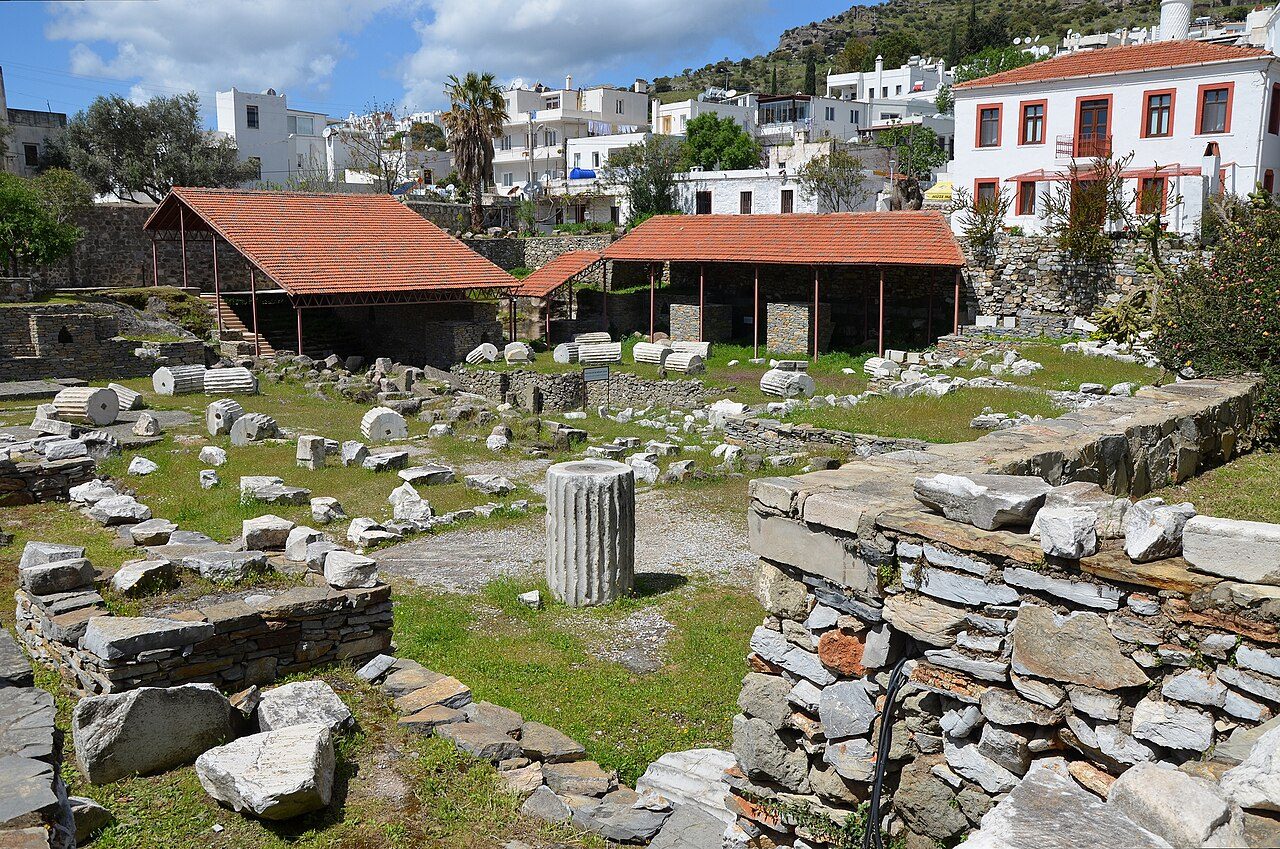
Commissioned around 353 BCE by Queen Artemisia II to honor her husband, the Carian satrap Mausolus, this monument redefined funerary architecture and bequeathed the very word "mausoleum" to history. Masterminded by Greek architects Satyros and Pytheos, with relief friezes carved by renowned sculptors including Scopas, the Wonder of the Ancient World once soared 45 meters high. Its design merged Lycian, Egyptian, and Hellenic aesthetics: a massive rectangular podium enveloped by battle scenes, thirty-six fluted Ionic columns, and a 24-step pyramid crowned by a colossal four-horse marble chariot. Though catastrophic earthquakes leveled the structure in the Middle Ages, the Knights of St. John famously dismantled its ruins in the 15th century to fortify nearby Bodrum Castle. Today, visitors wander a quiet, sun-baked archaeological park tucked just behind Bodrum’s modern harbor. The air carries the scent of wild mint and olive trees as you peer into the deep, rock-cut burial chamber once sealed by a massive stone slab. While the famous *quadriga* fragments and Amazon-battle friezes now rest in the British Museum, standing amid the scattered greenstone foundation blocks, overturned column drums, and drainage channels offers a tactile encounter with antiquity. Inside the modest on-site pavilion, detailed scale models and architectural reconstructions vividly resurrect the ghost of the stepped pyramid from its surviving stone footprint.
More in Bodrum
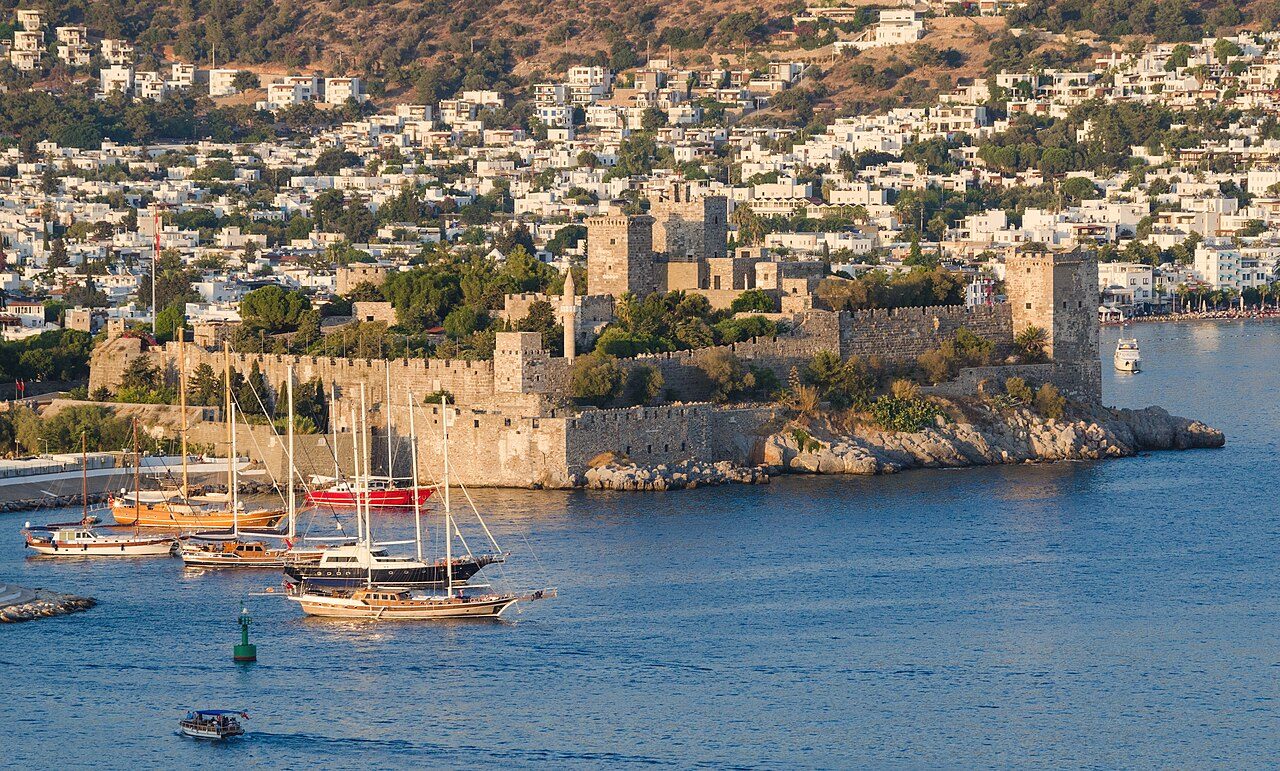
Photo credits (2)
- FollowingHadrian, CC BY-SA 4.0, via Wikimedia Commons
- Serhio Magpie, CC BY 4.0, via Wikimedia Commons