 New added
Alsancak
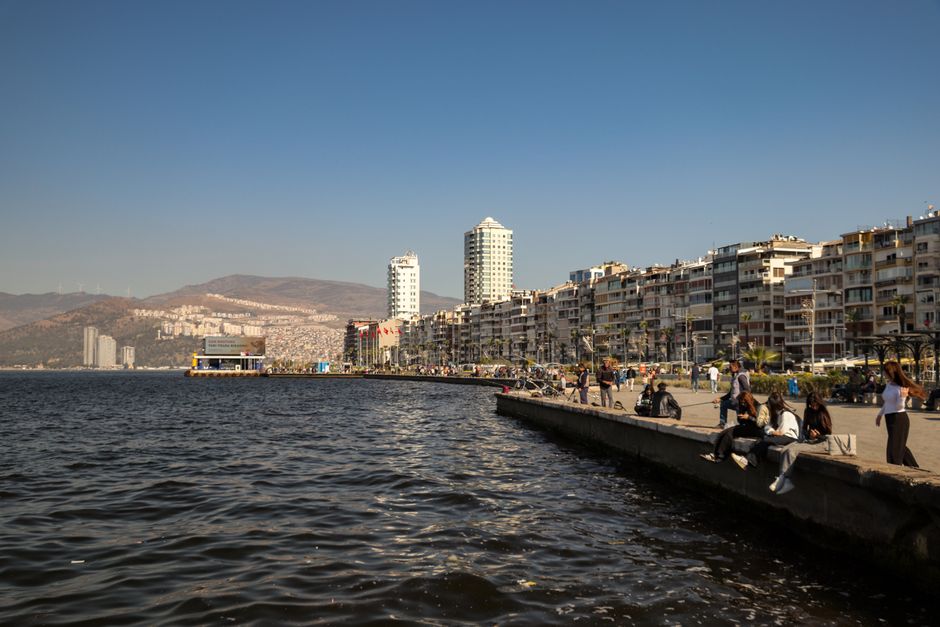
Once known as the Punta district during the twilight of the Ottoman Empire, Alsancak flourished as the cosmopolitan enclave of Izmir’s wealthy European Levantine merchants. Spared the complete devastation of the 1922 Great Fire of Smyrna, its northern grid still preserves rare fragments of late 19th-century domestic architecture. Along narrow cobblestone corridors flanking Kıbrıs Şehitleri Avenue, two-story stone townhouses showcase traditional enclosed wooden oriel bay windows (*cumba*), ornate wrought-iron fanlights, and imported Marseilles roof tiles. Among these, the 1880-built merchant residence that now serves as the Atatürk Museum anchors the streetscape with its whitewashed facade, double-flight marble staircase, and high-ceilinged parlors finished in polished Aegean timber. Emerging onto the breezy seaside esplanade of the Kordon, travelers encounter a kinetic balance of maritime calm and urban rhythm. The briny Aegean wind carries the scent of roasted sunflower seeds and freshly baked sesame *gevrek*, underscored by the metallic chime of the nostalgic green tram gliding along the water's edge. By late afternoon, the manicured turf bordering the seawall fills with locals gathering to watch the sun drop behind the distant ridges of the Bayraklı peninsula. As amber dusk settles, the backstreets awaken, where converted carriage houses and neon-lit taverns spill the sharp anise aroma of rakı and live acoustic melodies across weathered pavements.