
Tbilisi Old Town
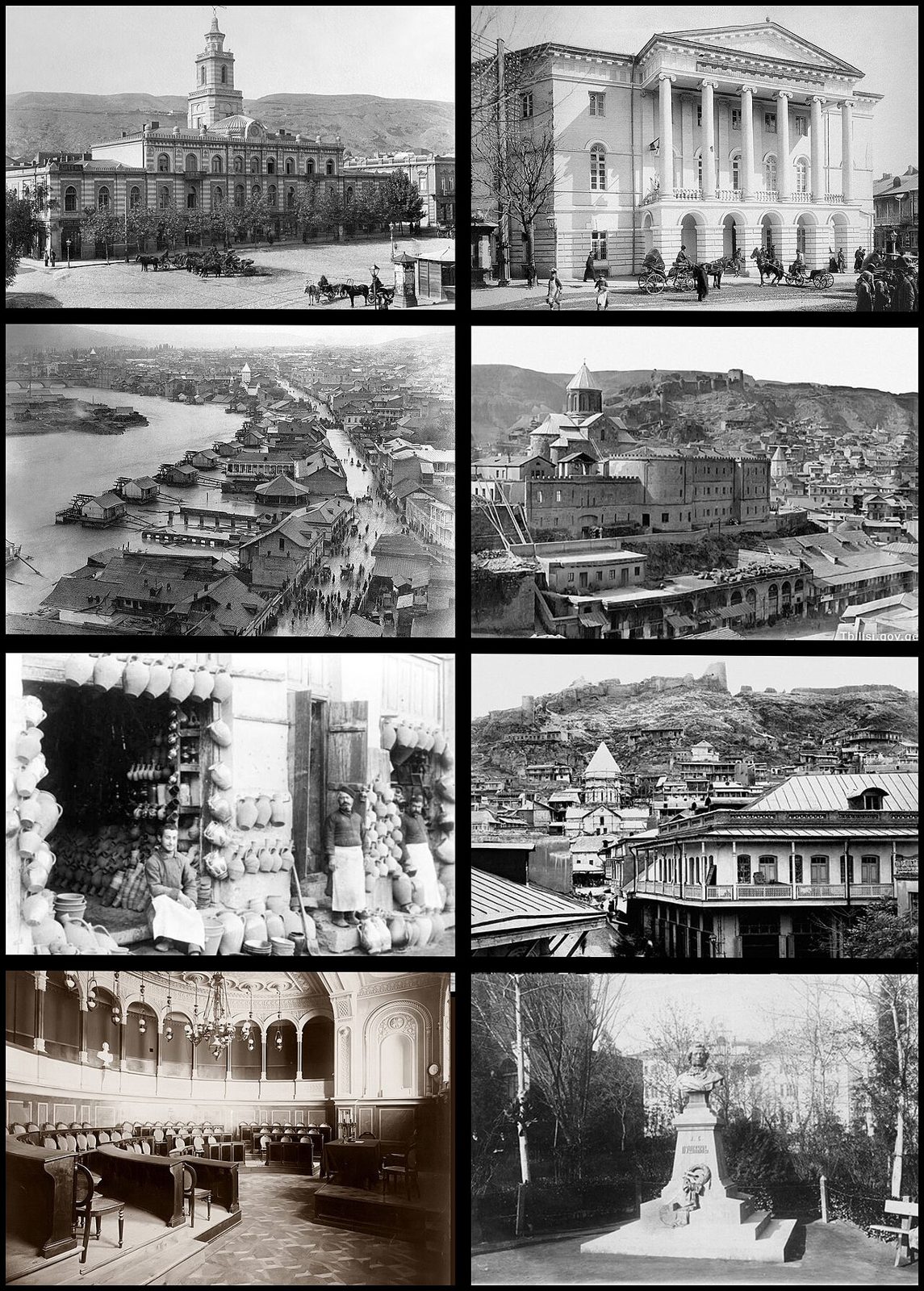
Founded in the 5th century by King Vakhtang Gorgasali after his hunting falcon famously tumbled into its thermal springs, Tbilisi’s historic core—Dzveli Tbilisi—bears the architectural imprint of thirty foreign sackings. The district’s surviving fabric largely dates to the late-18th and 19th-century reconstructions following the devastating 1795 Persian invasion by Agha Mohammad Khan. Clinging to the rocky Sololaki ridge beneath the 4th-century ramparts of Narikala Fortress, the quarter marries Middle Eastern Islamic urbanism with Russian imperial Neoclassicism. Its defining signatures are the *shushabandi*—cantilevered, pastel-painted wooden balconies adorned with intricate fretwork and stained glass—suspended precariously over narrow, serpentine lanes paved with basalt and river stone. Threading through the Betlemi neighborhood down into Abanotubani, visitors are struck by the pungent, mineral steam venting from the semi-subterranean sulfur bathhouses, their squat, red-brick beehive domes protruding like giant terracotta shells from the flagstones. The earthy aroma of clay-baked *shoti* bread drifts upward from deep basement *tone* ovens, mingling with the faint echo of polyphonic chants floating through the heavy carved-oak doors of Sioni Cathedral. Turning onto Shavteli Street, the sensory maze resolves at the fantastical, mosaic-studded Leaning Clock Tower built by puppeteer Rezo Gabriadze, where travelers pause beneath overarching grapevines to watch a mechanical angel emerge on the hour, cementing a palpable atmosphere poised midway between a Silk Road caravanserai and a bohemian salon.
More in Tbilisi

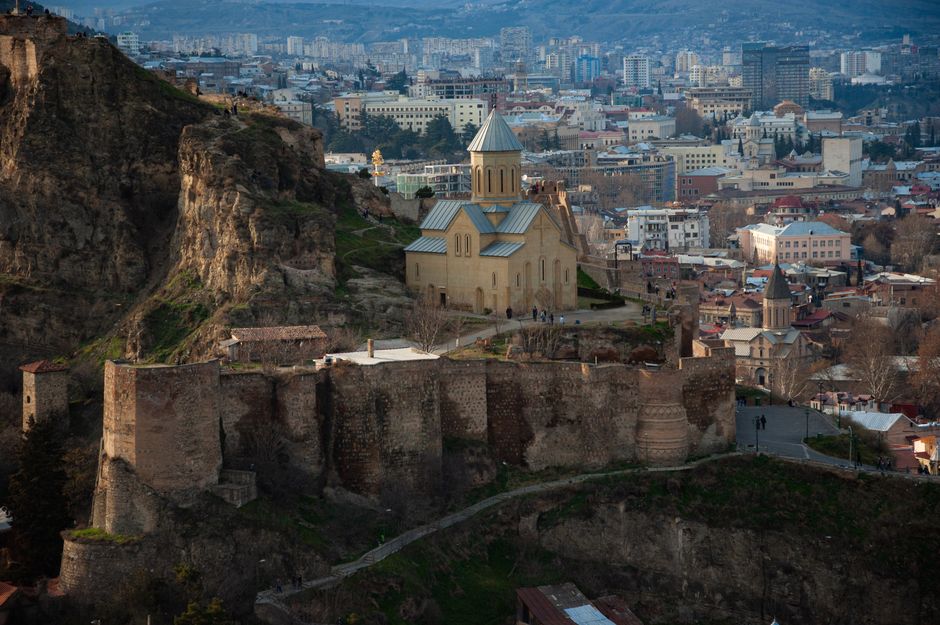
Photo credits (3)
- Image-Tbilisi_XIXc_05.jpg : Dimitri Ermakov Ermakov._Old_Tbilisi._6.jpg : Dimitri Ermakov Ermakov._Old_Tbilisi._7.jpg : Dimitri Ermakov Tbilisi_XIXc_2.jpg : Un…, Public domain, via Wikimedia Commons
- Vyacheslav Argenberg, CC BY 4.0, via Wikimedia Commons
- 4l6dl (Armen Atomian), CC BY-SA 3.0, via Wikimedia Commons