
Prielbrusye National Park
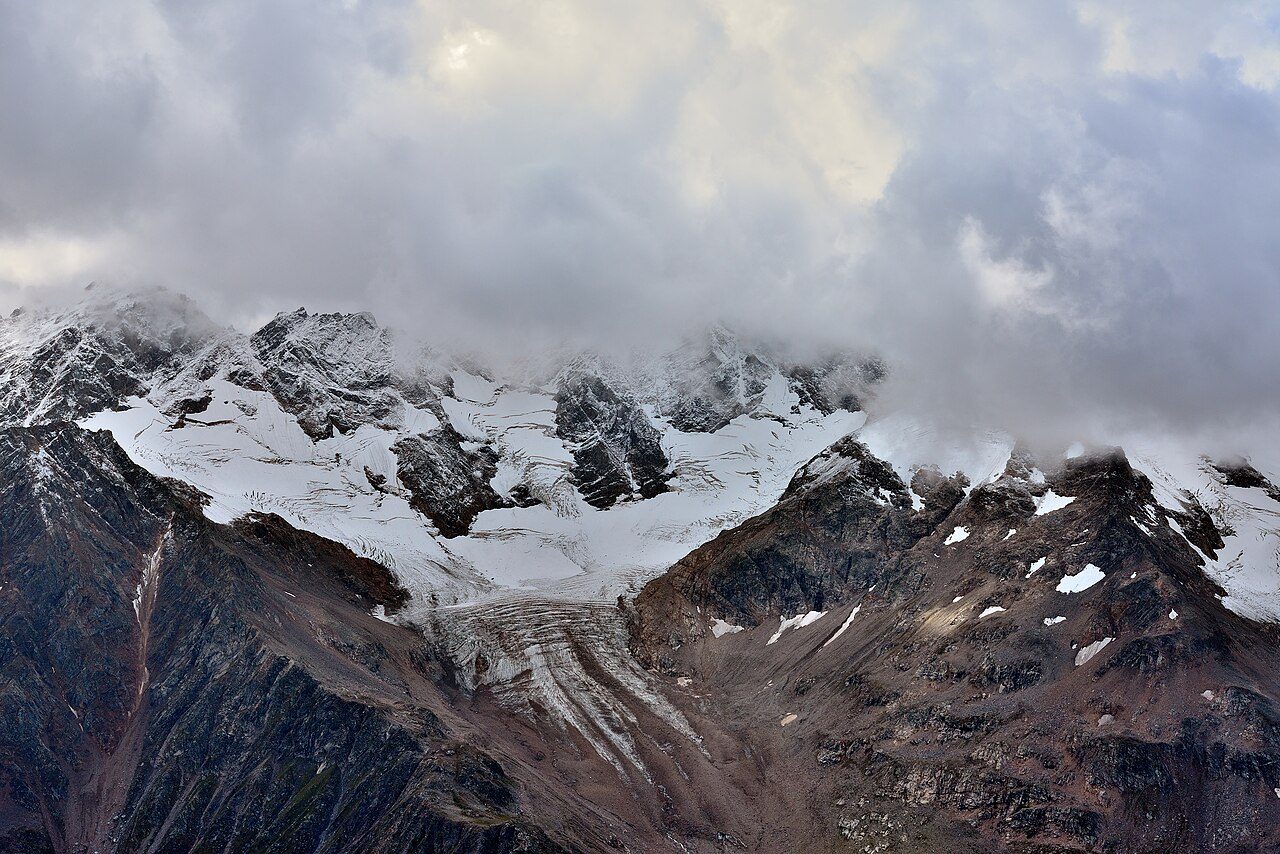
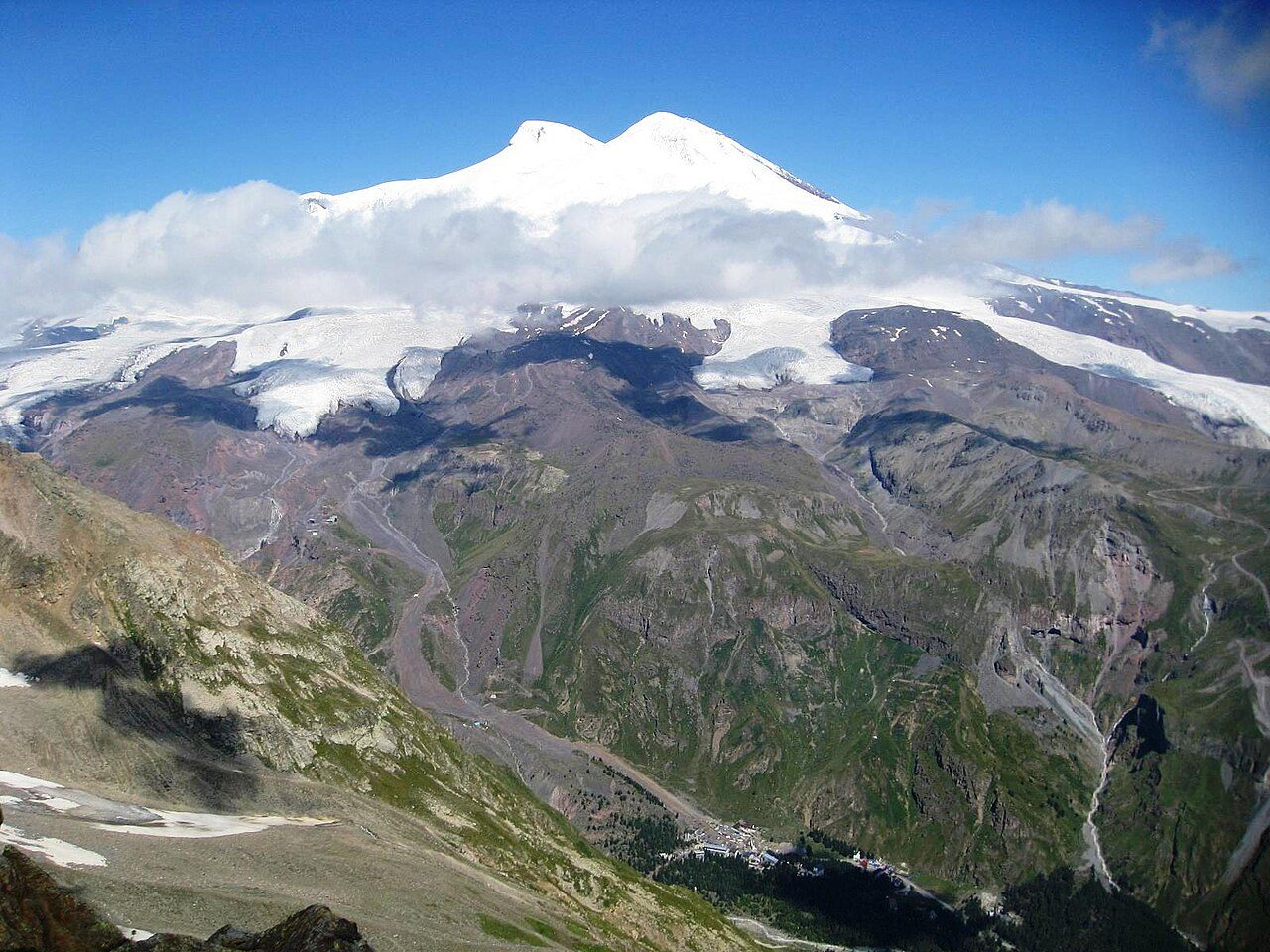
Carved into the northern flanks of the Central Caucasus, Prielbrusye National Park safeguards the myth-laden realm around Mount Elbrus, an extinct double-coned stratovolcano whose western summit breaches the sky at 5,642 meters. Established in 1986 to protect the fragile high-altitude ecosystems of the Baksan basin, these alpine troughs hold centuries of Balkar pastoral heritage alongside grim twentieth-century warfare. In the brutal winter of 1942–1943, this frozen vertical frontier became the highest theater of World War II during the Battle of the Caucasus, when German mountain troops seized the high-altitude Refuge of the 11 hut before Soviet alpinists reclaimed the passes and tore enemy ensigns from the peaks. Ascending via the cableway from the clearing at Glade Azau toward the Gara-Bashi station, travelers step into an austere world of volcanic basalt and the fissured, blue-white tongue of the Bolshoy Azau glacier. The atmosphere hits the lungs with thin, sub-zero sharpness, tinged with the metallic scent of natural effervescent carbonation seeping from the valley's iron-rich Narzan springs below. At 3,847 meters, standing beside the retro-futuristic silver-painted mountain shelters known as the Barrels, the vista unfolds across a jagged wilderness of hanging seracs, deep moraines, and the snow-crusted saddle cleaving the two gargantuan volcanic cones.
More in Elbrus
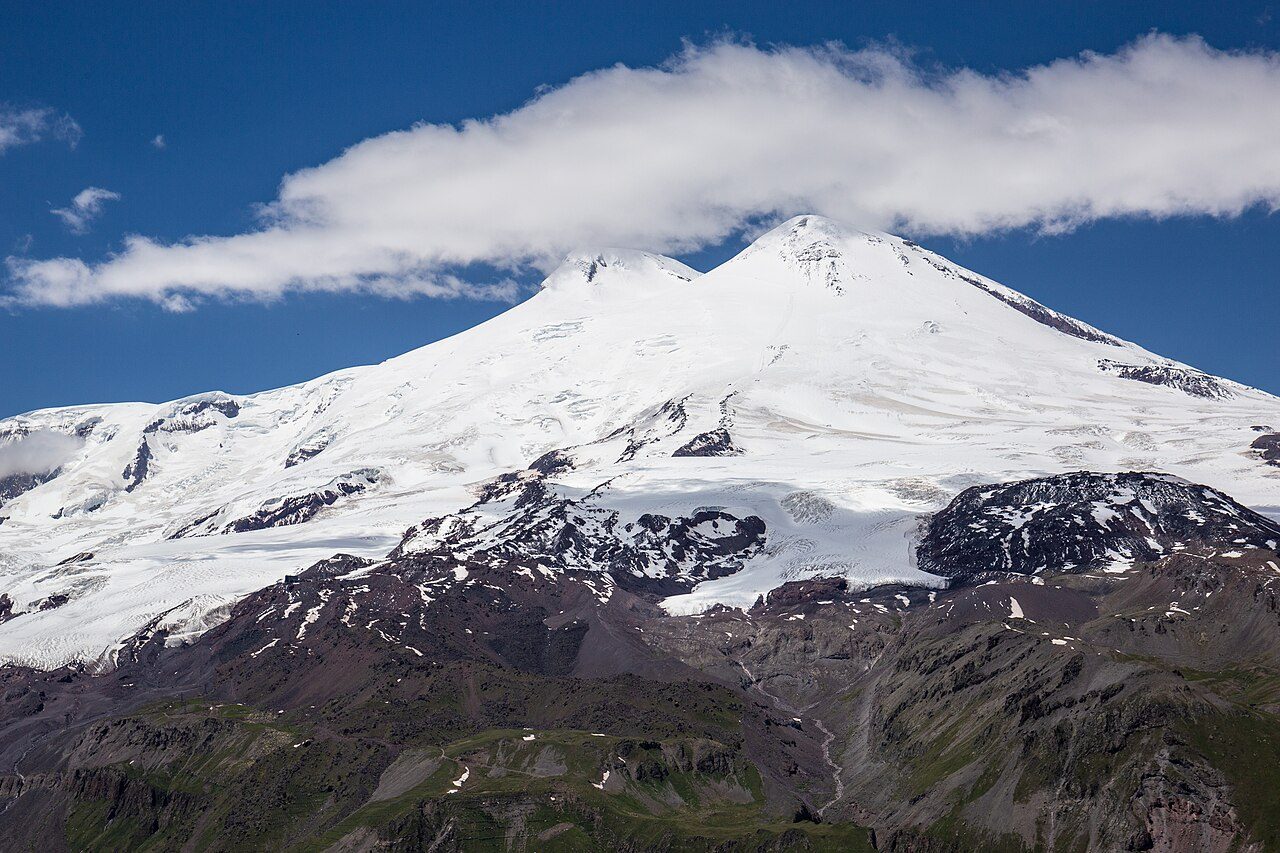
Photo credits (3)
- Александр Байдуков, CC BY-SA 4.0, via Wikimedia Commons
- Jason Blue-Smith, CC BY-SA 2.0, via Wikimedia Commons
- Dmitry A. Mottl, CC BY-SA 4.0, via Wikimedia Commons