 New added
Byblos Castle
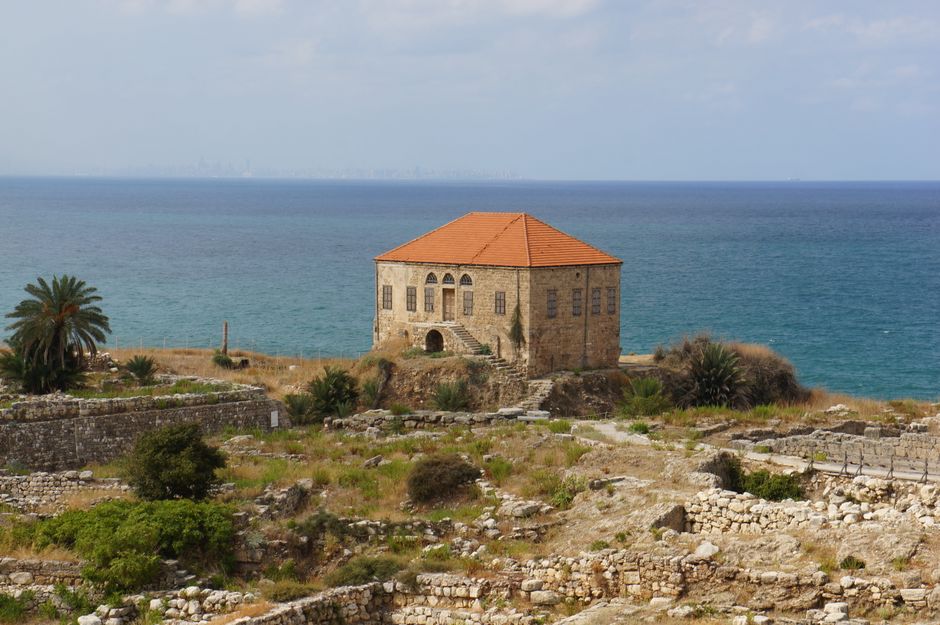
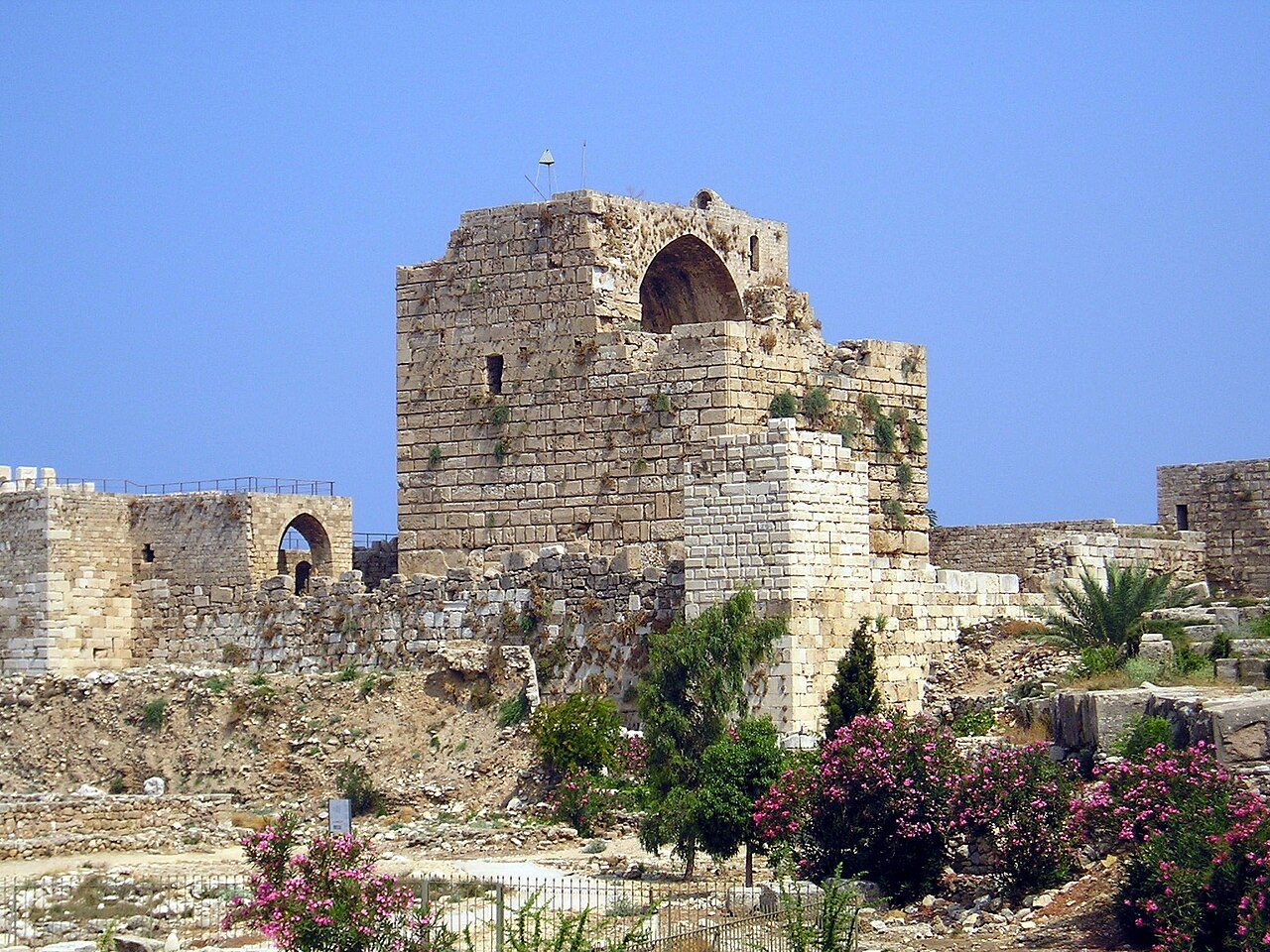
Erected in the twelfth century by the Frankish Crusaders—specifically the Genoese Embriaco lords under Bertrand of Saint-Gilles—Byblos Castle represents a formidable fusion of military fortification and ancient salvage. Constructed directly over millennia of earlier settlements following the town's capture in 1104, the fortress features thick ashlar walls interlaced with recycled Roman granite columns laid horizontally to absorb the shock of catapult stones. The heart of the stronghold is an imposing rectangular keep, or donjon, flanked by defensive corner towers and surrounded by a sheer, rock-cut dry moat that helped the garrison repel numerous sieges, including assaults by Saladin in 1188. Climbing the shadowed, narrow stone staircases of the keep leads visitors onto sun-bleached battlements whipped by salty Mediterranean breezes. From this windswept vantage, seven thousand years of human history unfold across a single panoramic sweep: the Crusader parapets gaze down onto the excavated shafts of the Bronze Age Royal Necropolis, the curved tiers of a reconstructed Roman theater, and the remains of prehistoric dwellings. Looking westward, travelers take in the horseshoe curve of the historic fishing port, where Phoenician trade galleys once launched laden with Mount Lebanon cedar, linking the raw military might of the Middle Ages with the ancient dawn of maritime trade.