Byblos
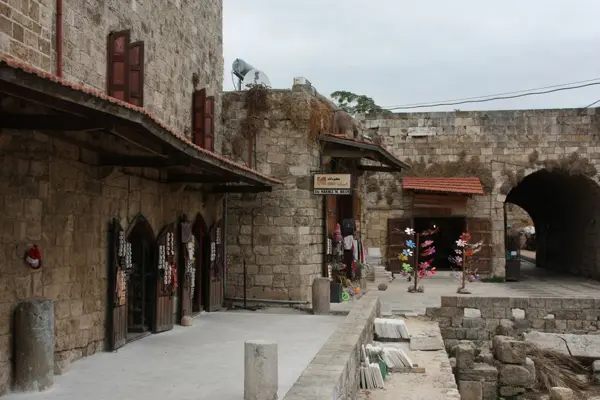
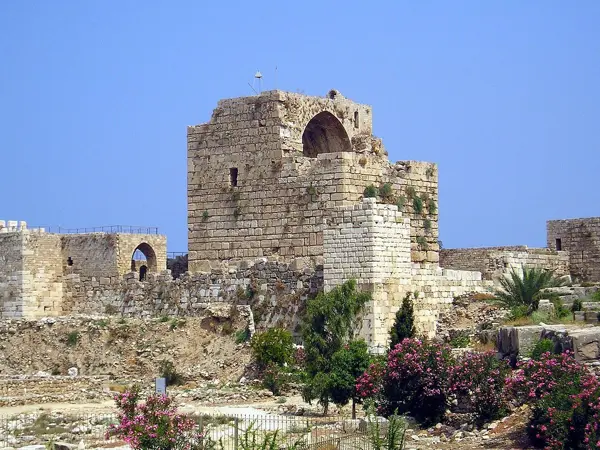
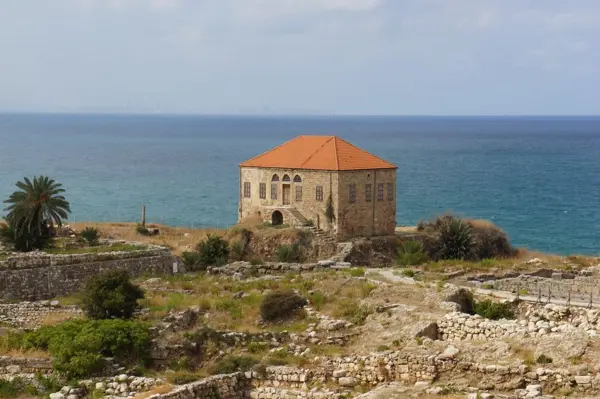
Perched on the Mediterranean coastline forty kilometers north of Beirut, Byblos sits where the limestone slopes of Mount Lebanon sweep down to meet the open water. Walking through the historic quarter means navigating a tight web of pedestrian lanes paved with weathered cobbles, shaded by magenta bougainvillea, and carrying the persistent scent of sea spray and roasted pine nuts. The scale remains intimate, with local fishermen mending nylon nets along the stone quay just steps from quiet neighborhood chapels. Human settlement here stretches back past 5000 BC, making it one of the oldest continuously inhabited towns on earth. Byblos served as the primary Phoenician port exporting Lebanese cedar to Egypt and famously disseminated the linear alphabet across the Mediterranean. Within a single archaeological park, a twelfth-century Crusader Castle stands beside the remains of Bronze Age temples and a reconstructed Roman amphitheater that overlooks the breakers. Nearby, the Romanesque Church of Saint John-Mark dates to 1115, while the vaulted Ottoman-era souk houses small shops trading in local fossils and olive oil soap. Daily life centers around the harbor, where open-air taverns serve cold arak alongside plates of grilled red mullet and spiced mezze. In midsummer, the Byblos International Festival stages world music directly adjacent to the ancient ruins, though late spring and autumn bring far gentler temperatures. Because the core district is entirely pedestrianized, moving around requires nothing more than sturdy footwear.
Read more
What's on in Byblos
Annual holiday gathering featuring university and artisan market booths, holiday treats, seasonal entertainment, and music open to the community.
Official infoA holiday-season comedy and music night at Eddésands featuring stand-up comedians, live entertainment, and DJ performances.
Official infoEvents are collected automatically from the web. Dates can change, so please check the official information before you travel.