 New added
Toompea Castle
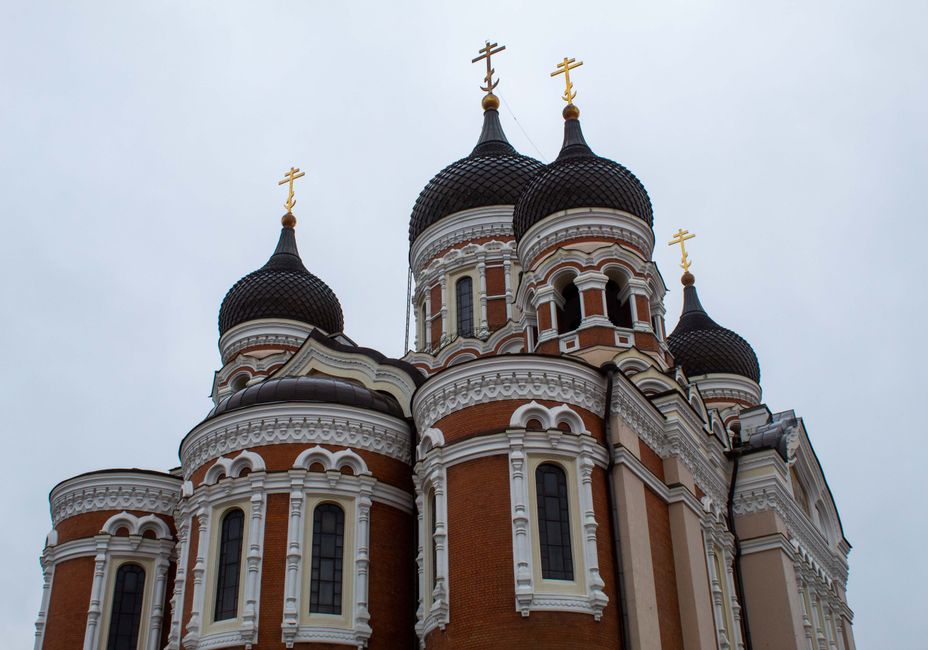
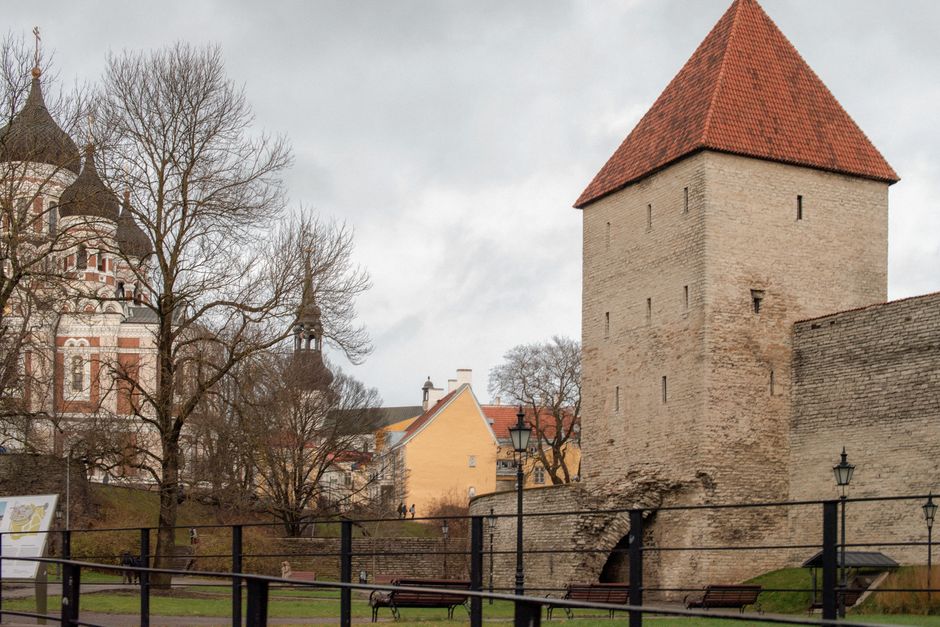
Perched atop the limestone bluff above Tallinn’s lower town, Toompea Castle presents an architectural paradox forged across eight centuries of foreign dominion. What began in 1219 as a timber redoubt erected by Danish crusaders under King Valdemar II evolved into a formidable stronghold for the Livonian Order, anchored by the grim, 46-meter-tall Pikk Hermann (Tall Hermann) tower. Today, the approach from Lossi Plats conceals these medieval fortifications behind an elegant, salmon-pink Baroque palace facade commissioned by Catherine the Great in the 1760s. Above the southern battlements, the blue, black, and white Estonian tricolor flutters from the spire of Tall Hermann—raised each morning at sunrise to the chords of the national anthem, serving as the visual pulse of Estonian sovereignty. Stepping beyond the neoclassical gates into the inner courtyard reveals a rare 20th-century design: the Riigikogu, Estonia’s parliament house, constructed between 1920 and 1922 by architects Herbert Johanson and Eugen Habermann as the world's only Expressionist legislative chamber. Visitors standing before the complex experience an arresting sensory contrast, where raw, wind-chiseled 14th-century limestone meets the ordered pastel symmetry of Russian imperial statecraft. A sharp Baltic draft sweeps over the cobbles, carrying the chiming bells of the neighboring Alexander Nevsky Cathedral and reminding onlookers that this single hill has dictated the geopolitical fate of the eastern Baltic for nearly a millennium.