 New added
Tallinn Old Town
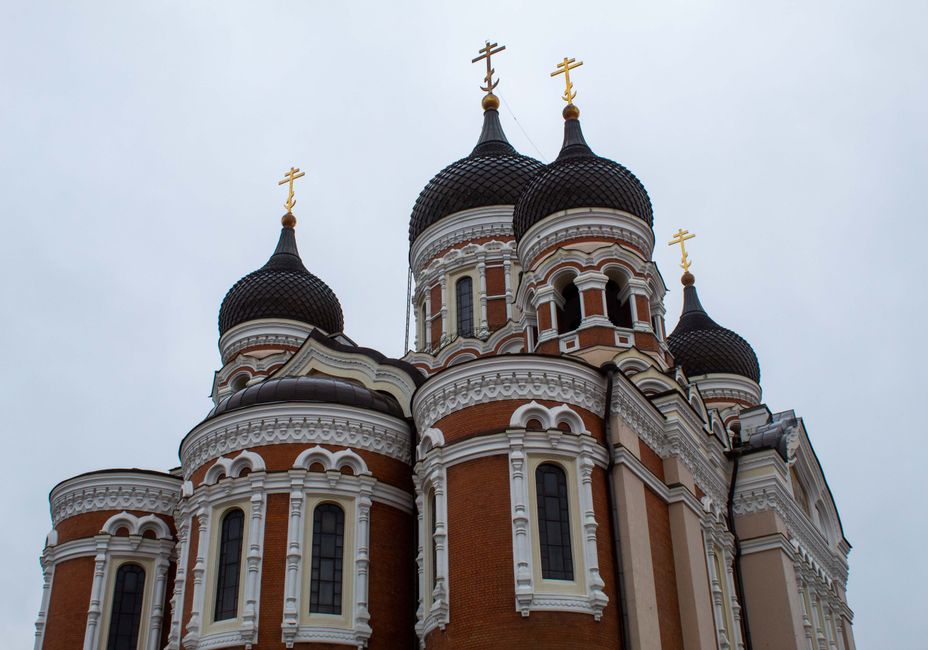
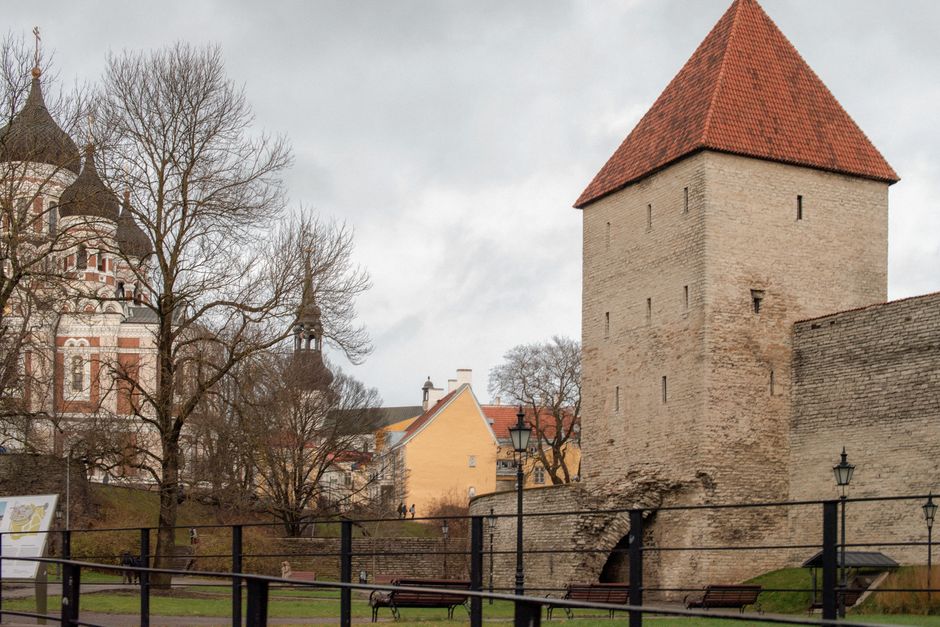
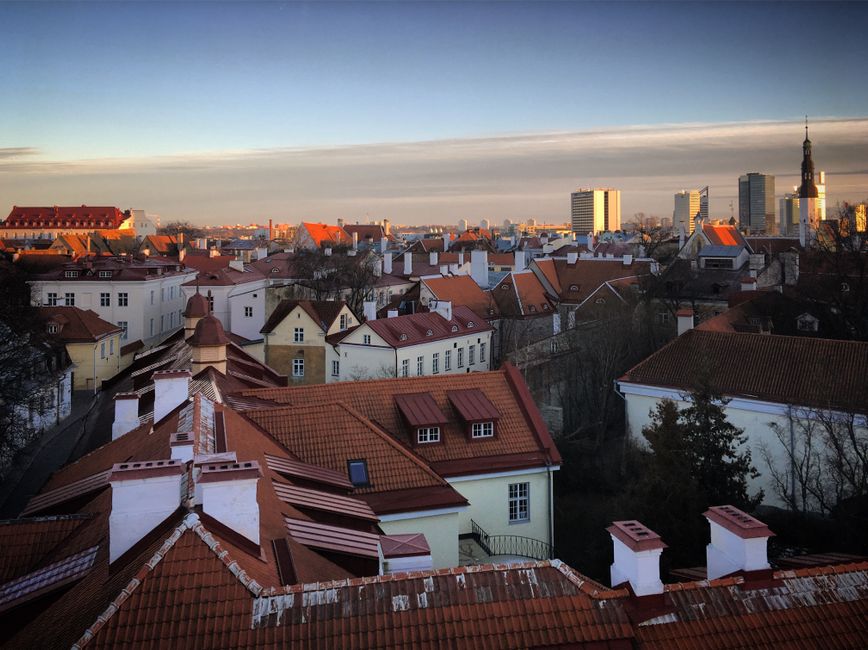
Encircled by nearly two kilometers of medieval limestone ramparts and twenty-six red-capped watchtowers, Tallinn’s Vanalinn survives as Northern Europe’s most intact Hanseatic trading citadel. Established in the thirteenth century by the Teutonic Order under the name Reval, the settlement preserves the stark urban division between common burghers and ruling nobility. At the heart of the Lower Town, Raekoja Plats unfolds beneath the octagonal limestone spire of the 1404 Gothic Town Hall, crowned by the legendary Old Thomas weather vane. Facing the square stands the Raeapteek, dispensing remedies continuously since 1422, framed by steep-gabled merchant houses washed in muted ochre, sage, and oxblood. Ascending the uneven cobblestones of Pikk Jalg brings travelers to the Upper Town upon the limestone crag of Toompea, where Hanseatic restraint abruptly yields to imperial grandeur. The stern fourteenth-century castle walls and Gothic St. Mary’s Cathedral sit in sharp visual dialogue with the 1900 Alexander Nevsky Cathedral, an orthodox marvel dominated by five dark onion domes and gilded icon mosaics. From the Kohtuotsa viewing terrace, visitors feel the sharp, salt-laden Baltic breeze while gazing across a sea of terracotta roofs toward the piercing 124-meter steeple of St. Olaf’s Church. Below, the shadowy arches of St. Catherine’s Passage resonate with the tap of mason chisels, accompanied by the sweet aroma of caramelized cinnamon almonds drifting from iron cauldrons.