
 New added
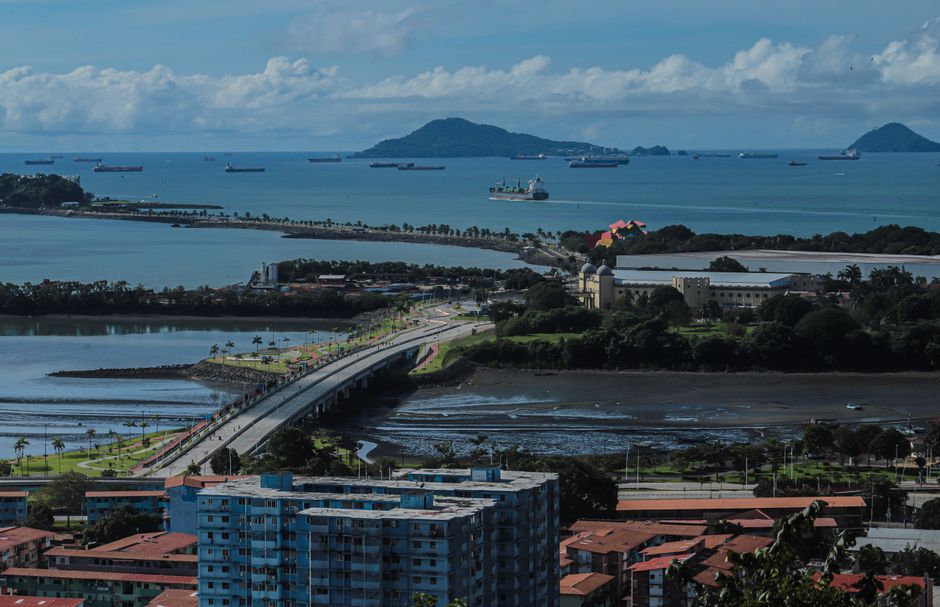
Amador Causeway
Constructed in 1913 by the U.S. Isthmian Canal Commission, this four-mile breakwater was forged from millions of cubic meters of basalt blasted from the Panama Canal’s grueling Culebra Cut. Named for Manuel Amador Guerrero, the nation's first president, the stone causeway originally served as the fortified perimeter of Fort Grant, linking the mainland to the rocky outposts of Naos, Culebra, Perico, and Flamenco islands to guard the Pacific canal entrance. Anchoring its mainland approach stands Frank Gehry’s Biomuseo, an architectural collision of vivid scarlet, cobalt, and canary-yellow folded aluminum canopies that chronicle how the rise of the isthmus joined continents and altered global ocean currents. Strolling or cycling the wide, palm-fringed seawall, travelers are flanked by two contrasting maritime panoramas. To the west, gargantuan container ships queue silently beneath the sweeping steel arch of the Bridge of the Americas; to the east, the glass skyscrapers of downtown Panama City glitter across the bay. Salt-laden Pacific trade winds sweep across the asphalt as pelicans skim the surface, and roadside vendors serve ceviche and chilled coconut water. Reaching the terminus at Isla Flamenco, visitors encounter old military bunkers and marina boardwalks where the gentle ocean swell meets the engineered mouth of the world’s most famous waterway.
More in Panama City
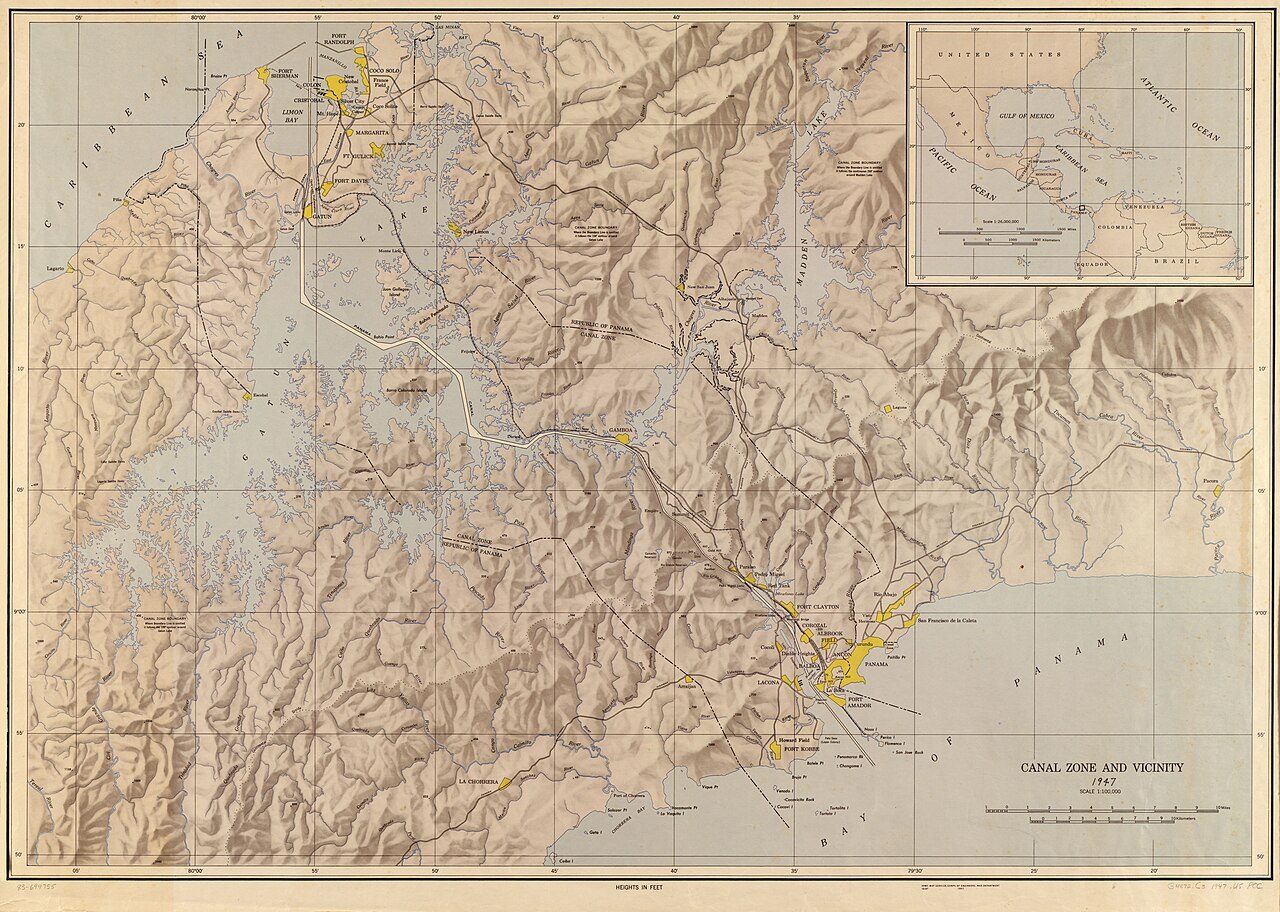
Photo credits (1)
- United States. Army Map Service, Public domain, via Wikimedia Commons