
 New added
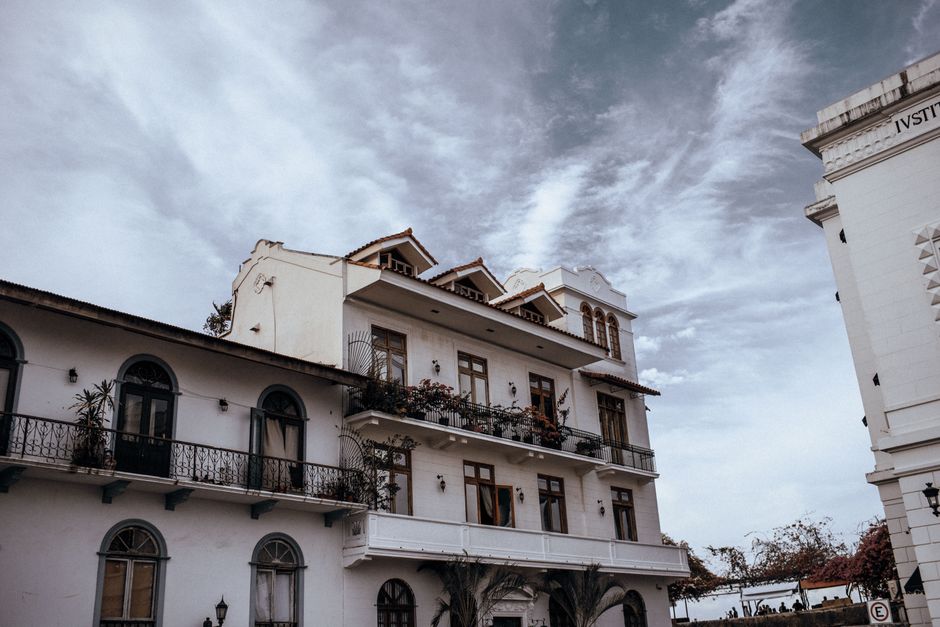
Casco Viejo Panama
Rising from a fortified Pacific peninsula, Casco Viejo was established in 1673 after the Welsh privateer Henry Morgan burned the original settlement to the ground. Designed as a walled stronghold to repel future maritime assaults, the quarter evolved into a dense architectural chronicle where Spanish colonial calicanto masonry integrates with nineteenth-century French mansard roofs and ornate wrought-iron balconies—legacies of Ferdinand de Lesseps’s ill-fated canal company. At the district’s core stands the Metropolitan Cathedral, flanked by twin neoclassical bell towers encrusted with glistening mother-of-pearl harvested from the Gulf of Panama. Just down the cobblestone grid, inside the cavernous nave of the Iglesia de San José, rests the fabled Baroque *Altar de Oro*, an immense mahogany retable leafed in gold that survived Morgan's raid through the quick thinking of a priest who disguised it in black paint. Navigating the narrow, brick-paved corridors, travelers step into a palpable sensory juxtaposition of past and present. The humid Pacific breeze drifts over the defensive ramparts of Las Bóvedas, carrying the scent of salt water and simmering garlic from open-air cevicherías. Magenta bougainvillea spills over sun-faded pastel facades, softening the battle-scarred limestone ruins of the Santo Domingo convent and its gravity-defying flat arch (*Arco Chato*). Standing atop the outer sea wall, visitors witness a striking visual contrast: the historic cannons and Spanish bastions beneath their feet frame an uninterrupted panorama of modern Panama City’s shimmering, hyper-dense skyscraper skyline rising across the bay.
More in Panama City
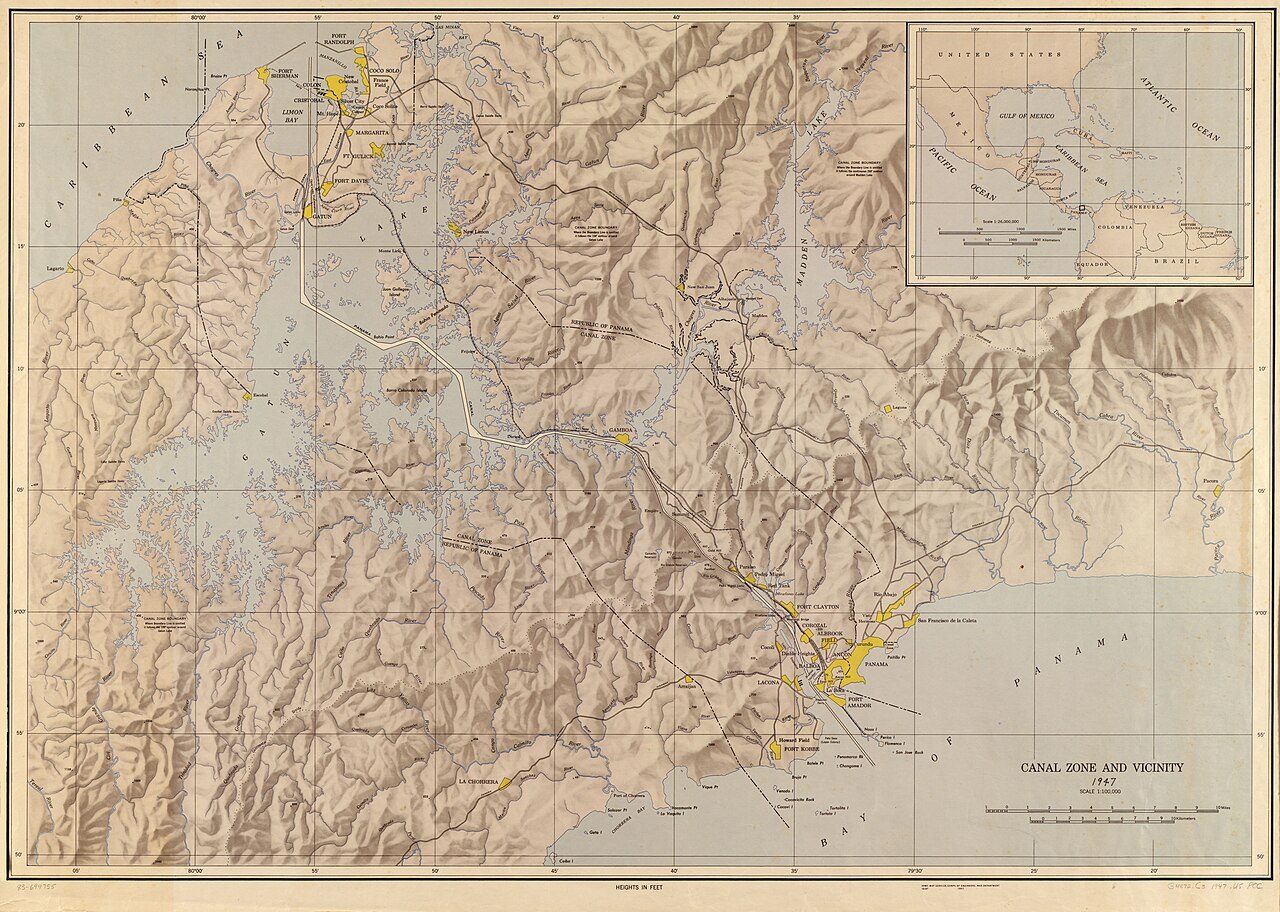
Photo credits (1)
- United States. Army Map Service, Public domain, via Wikimedia Commons