 New added
Pre-Columbian Gold Museum
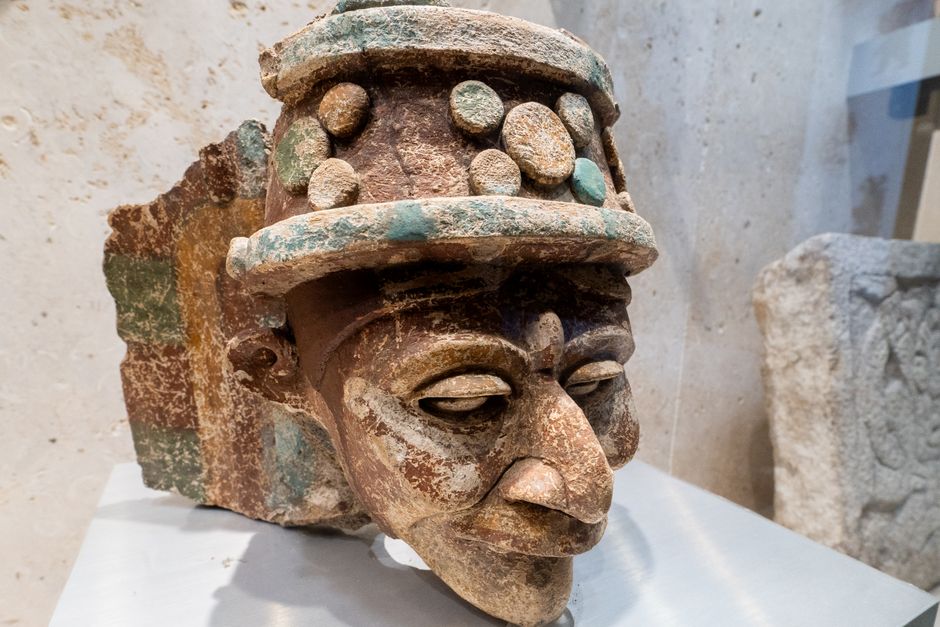
Concealed beneath the granite paving of San José’s Plaza de la Cultura, the Museo del Oro Precolombino descends into a modernist subterranean bunker completed in 1982 by architects Jorge Borbón, Rafael Ángel García, and Jorge Bertheau. Administered by the Central Bank of Costa Rica, this three-tiered underground fortress safeguards an archaeological treasury forged between 500 BCE and 1500 CE. It highlights the metallurgical genius of indigenous Chibchan-speaking societies, particularly the Diquís and Brunca peoples, who mastered the lost-wax casting method and perfected *tumbaga*—an intentional alloy of gold and copper imbued with spiritual resonance long before Spanish contact. Descending into the gloom of the climate-controlled vaults, visitors enter an atmospheric darkness where ambient street noise vanishes, replaced by the dramatic illumination of over 1,600 lustrous artifacts suspended inside glass vitrines. The displays shimmer with zoomorphic pectorals depicting harpy eagles, jaguars, and bulbous-eyed tree frogs, reflecting shamans’ metaphysical transformations into creature guides. At the heart of the collection stands *El Guerrero*, an exquisite eight-centimeter figurine of a warrior adorned with a ceremonial headdress, shield, and trophy head. Standing inches from these micro-sculptures, travelers can scrutinize the paper-thin sheets of hammered gold, visible solder lines, and intricate wire-wrapped filigree that have survived intact for over a millennium.