San Jose
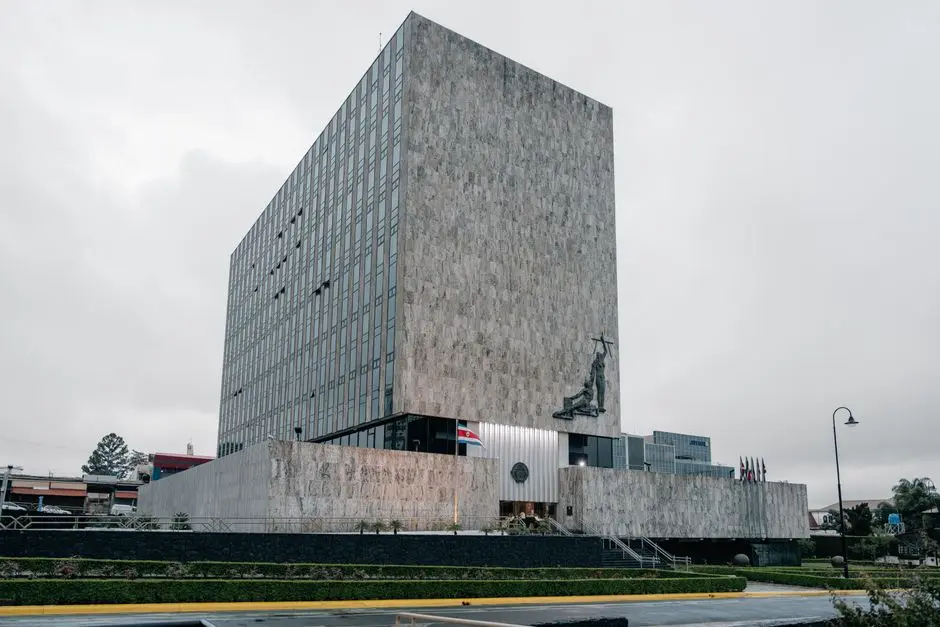
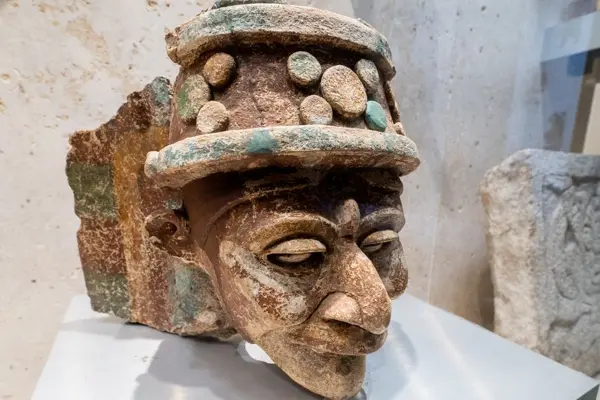
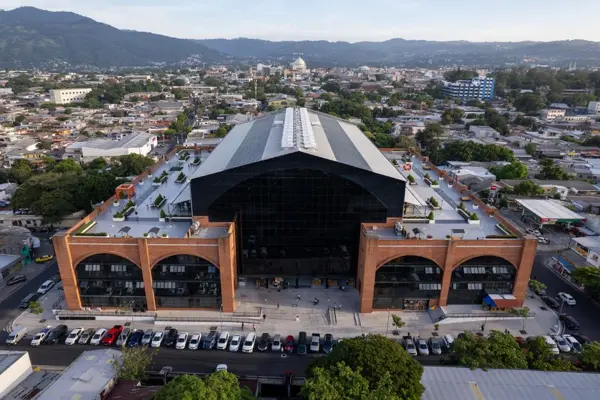
Ringed by the volcanic peaks of the Central Valley, San José occupies an undulating plateau roughly 1,200 meters above sea level. Walking its downtown grid reveals a loud, functional capital tempered by cool mountain air. The pedestrian spine of Avenida Central hums with lottery hawkers, fruit sellers piling jocotes into plastic bags, and the aroma of bakeries, while green mountain ridges peek between the buildings at every north-south intersection. Founded in 1737 and designated the capital in 1823, the city owes its civic pride to the nineteenth-century coffee trade. That windfall financed the neoclassical Teatro Nacional, opened in 1897 with Italian marble staircases and allegorical ceiling murals. Just north, Barrio Amón showcases ornate wooden and brick mansions built by coffee barons, now housing independent galleries and small restaurants. Beneath Plaza de la Cultura, the subterranean Museo del Oro Precolombino preserves intricate indigenous gold figures, while the nearby Museo Nacional occupies the Bellavista Fortress, where the country abolished its army in 1948. Urban life gathers inside the Mercado Central, a dim maze of tight aisles where locals crowd counter stools at traditional sodas to eat chifrijo and hearty casado platters. Late afternoons bring the ritual cafecito, an unhurried pause over black coffee and fresh corn bread. Each December, the city celebrates the Tope Nacional, a lively equestrian parade drawing riders from rural provinces. The best time to visit is during the dry months from December to April. Explore the compact core on foot in the morning, and rely on licensed red taxis or rideshare apps after dark.
Read more